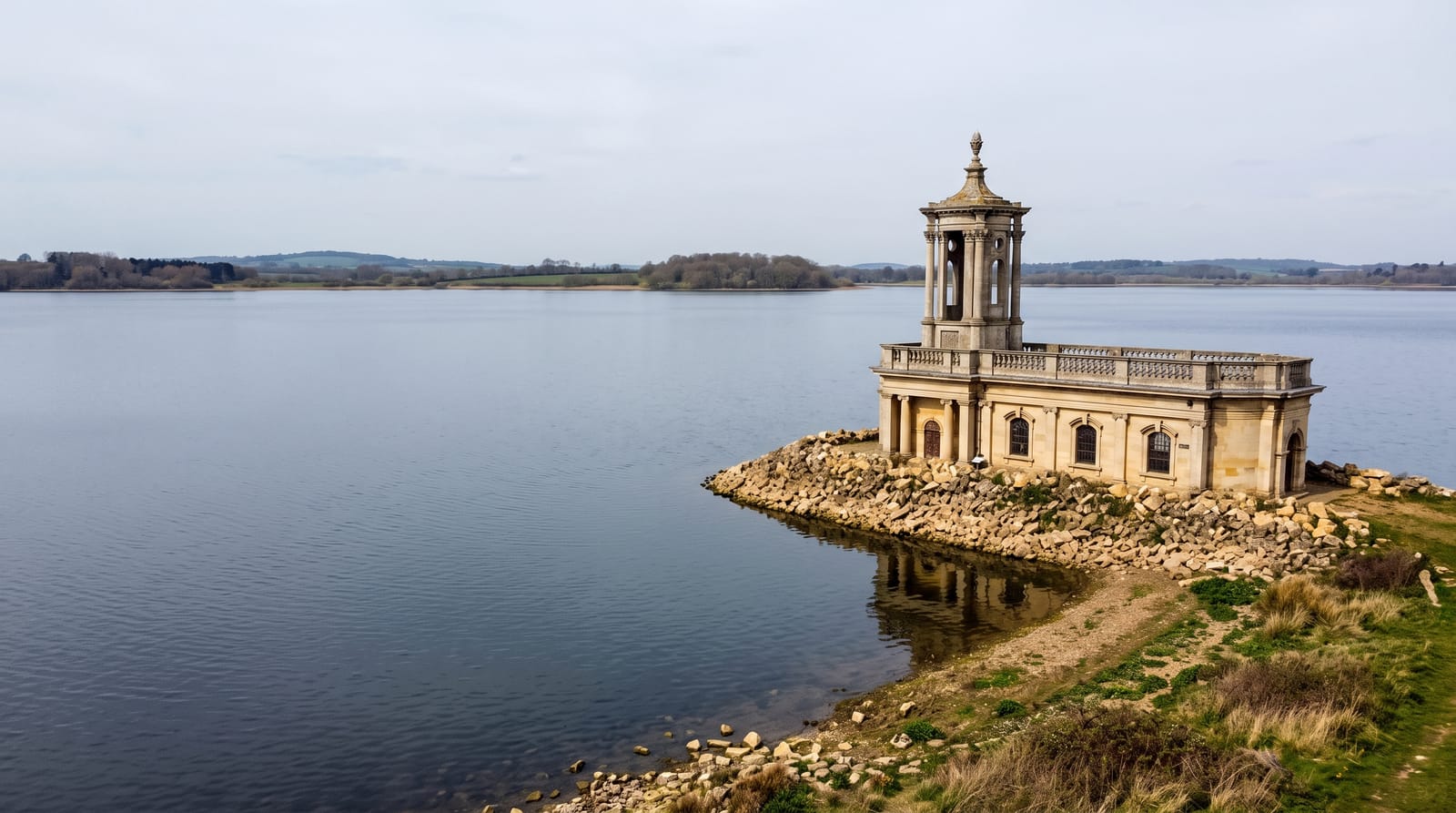
Lake Apanás
A highland reservoir north of Jinotega, made for hydroelectricity and now used for fishing, kayaking and birdlife.
Updated 12 October 2026
Apanás was created in the 1960s by damming the Tuma river to generate power, flooding a valley at around a thousand metres and leaving a long irregular lake with wooded ridges around it and pine on the higher ground. It is the largest artificial lake in Nicaragua and it has settled into being a working landscape: tilapia farming in cages, fishermen in small boats, and a growing amount of kayaking and boat hire from the shore near Jinotega. Waterbirds use the shallows and inlets, and the surrounding hills are coffee country. Sedimentation and weed have been recurring problems for the reservoir. It is a straightforward half-day from Jinotega and pleasant rather than dramatic.
The landscape
- The reservoir - a long irregular lake among wooded highland ridges.
- Tilapia cages - the fish farming operating on the water.
- Kayaking and boats - hire from the shore near the town.
- Waterbirds - herons, kingfishers and ducks in the inlets.
When to go
December to April for dry weather and calmer water. The highlands are cool year round and mornings can be misty. The rains from May raise the level and bring weed to the margins.
Things to know
This is a working reservoir with fish farms and power infrastructure, not a scenic mountain lake. Weed and sediment affect parts of it. Facilities are limited to a few shoreline operators. Swimming is not really the point here.
Nearby
Jinotega lies south; San Rafael del Norte is north-west.
Key facts
Source: Wikidata, item Q3017786, read on 18 October 2026.
What to pack for Lake Apanás
Chosen from what this place is for. Tap a kit for the full checklist.
- Broken-in walking shoes or boots - Grip and ankle support matter more than looks; never hike in brand-new boots. Find on Amazon
- Travel rod + reel - A packable multi-piece rod fits in a case and covers most holiday fishing. Find on Amazon
- Reef-safe sunscreen - High SPF that will not bleach the coral you are swimming over. Find on Amazon
- Quick-dry clothing - Board shorts or synthetics that shrug off spray and dry fast. Find on Amazon
Some links on this page are Amazon affiliate links - if you buy through them we may earn a small commission at no extra cost to you.
All packing kitsPlan your trip
Where to start if Lake Apanás is going on the list.
Booking links on this page are affiliate links - if you book through them we may earn a small commission at no extra cost to you. It never changes what we write about a place.
Opening times, ticket prices and seasonal closures change - check the official source before you go: official site.