Urk
An island until 1939, now surrounded by polder, with the largest fishing fleet in the country and a dialect of its own.
Updated 21 October 2026
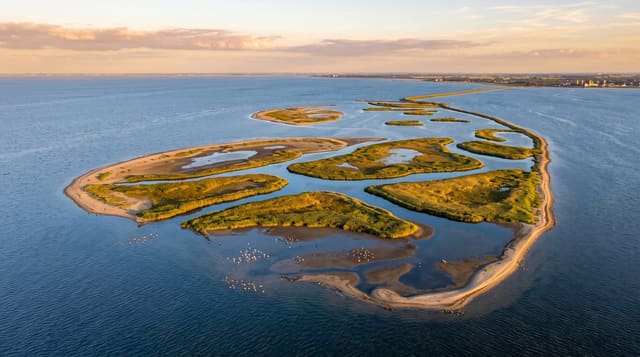
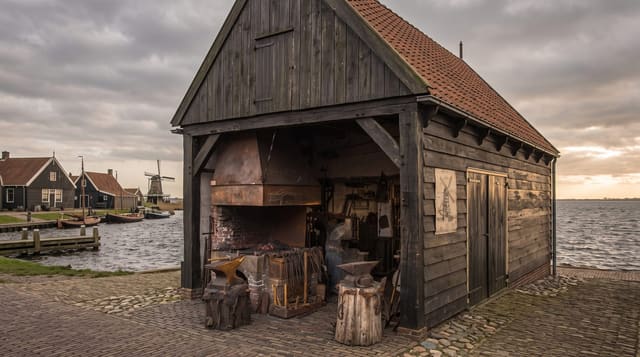
Urk was an island in the Zuiderzee for its whole recorded history, a few kilometres of boulder clay with a fishing community on it, and in 1939 the Noordoostpolder dyke reached it and the sea around was pumped dry - so a fishing island became a hill in a field, with the old harbour on one side and reclaimed farmland on the other three. The community did not assimilate: Urk keeps its own dialect, an intensely Reformed church culture with high attendance and strict Sunday observance, its own surnames, and a fleet that is now the largest in the Netherlands, working from IJmuiden and Northern European ports since the local water went. The old village on the mound has narrow lanes and small houses, the lighthouse and the fishermen's monument on the dyke, with the names of the men lost at sea, and a woman looking out to a sea that is no longer there.
History
The oldest record of the name is a deed of 966 by Emperor Otto I mentioning "a certain island in the middle of Almere, which is called Urch". From 1660 to 1792 Urk belonged to Amsterdam, and in October 1939 a dike from Lemmer ended its life as an island, as the Noordoostpolder was reclaimed around it (Wikipedia, Urk).
What to look for
- An island in a field - the mound left when the sea around it was pumped dry in 1939.
- The largest Dutch fleet - working from other ports since the local water went.
- A distinct community - its own dialect, surnames and strict Sunday observance.
- The fishermen's monument - the names of the lost, and a woman watching a vanished sea.
When to go
April to October. A day.
Before you go
Sunday is observed strictly and almost everything closes, including some roads to the church. The community is conservative and photography of people needs care. The harbour is working, not scenic.
Nearby
Schokland, the other drowned island, is east; Lelystad is south.
Key facts
Source: Wikidata, item Q273746, read on 18 October 2026.
What to pack for Urk
Chosen from what this place is for. Tap a kit for the full checklist.
- Travel rod + reel - A packable multi-piece rod fits in a case and covers most holiday fishing. Find on Amazon
- Comfortable walking shoes - Sightseeing means kilometres of pavement and cobbles daily. Find on Amazon
- A small tackle selection - Hooks, weights, line and a few lures or flies suited to local waters. Find on Amazon
- A slim anti-theft daypack - Zips that close properly; keep it in front in crowds and on transit. Find on Amazon
Some links on this page are Amazon affiliate links - if you buy through them we may earn a small commission at no extra cost to you.
All packing kitsPlan your trip
Where to start if Urk is going on the list.
Booking links on this page are affiliate links - if you book through them we may earn a small commission at no extra cost to you. It never changes what we write about a place.
Opening times, ticket prices and seasonal closures change - check the official source before you go: official site.