Oostvaardersplassen
A marsh that appeared by accident on reclaimed seabed, and became one of the most argued-over nature reserves in Europe.
Updated 21 October 2026
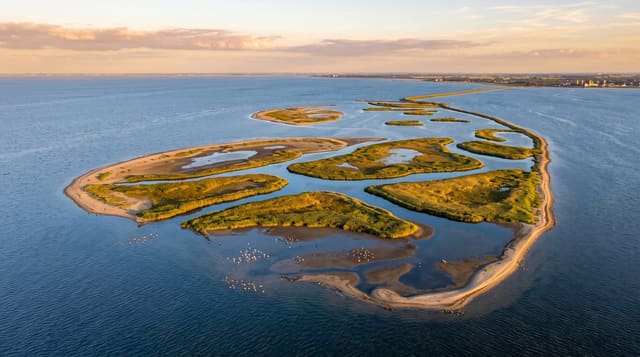
When southern Flevoland was pumped dry in 1968 a low-lying corner was left unbuilt because industry was planned for it later, and it filled with reed and water; geese arrived, then more, and by the 1980s the accident had become one of the most important wetlands in western Europe. Frans Vera's idea for it was radical: introduce large herbivores - Heck cattle, Konik horses, red deer - and let natural processes rather than management shape the vegetation, with no supplementary feeding and no culling, as a working model of a pre-human European landscape. The herds grew, and in hard winters large numbers starved, which produced sustained public anger, protests, gates broken open and hay thrown over fences, court cases and repeated policy reversals. Management now includes population control and winter feeding. The reserve remains important and the argument is genuinely unresolved.
Highlights
- A marsh made by accident - unbuilt polder that filled with reed and became a wetland.
- Large free-ranging herds - Heck cattle, Konik horses and red deer on open grassland.
- The rewilding argument - starvation, protest and policy reversal, still unsettled.
- Very large bird numbers - geese, spoonbills, egrets and white-tailed eagles.
When to go
April to October. A day.
Things to know
Most of the reserve is closed to entry - viewing is from marked routes, hides and the railway side, or on booked excursions. The animal welfare history is contested and visitors sometimes see dead stock. It is flat, open and windy.
Nearby
Lelystad and the Batavia shipyard are north; Almere is south.
Key facts
Source: Wikidata, item Q1786960, read on 18 October 2026.
What to pack for Oostvaardersplassen
Chosen from what this place is for. Tap a kit for the full checklist.
- Broken-in walking shoes or boots - Grip and ankle support matter more than looks; never hike in brand-new boots. Find on Amazon
- Layers + a waterproof shell - Mountain weather turns fast; a packable rain jacket saves the day. Find on Amazon
- Daypack with rain cover - 20-30 litres holds water, snacks, layers and a first-aid kit. Find on Amazon
- Offline maps + a power bank - Download the trail before you lose signal; carry backup charge. Find on Amazon
Some links on this page are Amazon affiliate links - if you buy through them we may earn a small commission at no extra cost to you.
All packing kitsPlan your trip
Where to start if Oostvaardersplassen is going on the list.
Booking links on this page are affiliate links - if you book through them we may earn a small commission at no extra cost to you. It never changes what we write about a place.
Opening times, ticket prices and seasonal closures change - check the official source before you go: official site.