Ons' Lieve Heer op Solder
A full Catholic church built through three attics of a canal house, from the years when Catholic worship was banned.
Updated 12 October 2026
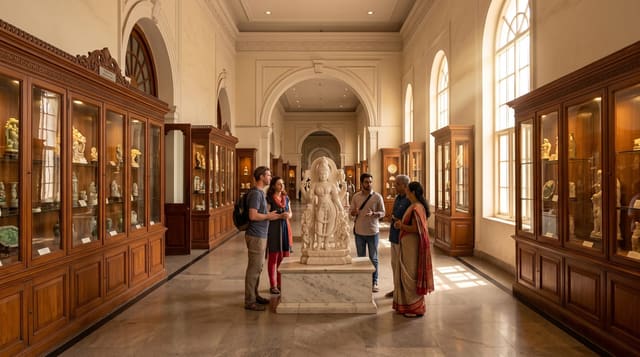
After the Alteration of 1578 Amsterdam went Protestant and public Catholic worship was prohibited - but the Republic's practice was toleration in private, so Catholics built churches inside houses, unmarked from the street and known to the authorities, who took bribes and looked away. Around a hundred such schuilkerken existed in the city. Ons' Lieve Heer op Solder - Our Lord in the Attic - is the one that survives complete: a merchant named Jan Hartman bought a canal house and two behind it in 1661 and knocked the upper floors together into a church, with a nave, galleries on two levels, an organ and an altar, seating about a hundred and fifty, reached by the ordinary stairs of a house. The rooms below are furnished as a seventeenth-century home. It functioned until 1887 and became a museum in 1888, one of the oldest in the city.
What to look for
- A church in three attics - nave, galleries, organ and altar above a canal house.
- A hidden church that survived - the one complete example of about a hundred.
- Seventeenth-century rooms below - the house furnished as it was lived in.
- Toleration in practice - worship banned in public, permitted out of sight.
When to go
All year. Two hours.
Before you go
The stairs are narrow and steep, as in any canal house, and there is no lift to the church. Timed tickets and it fills in summer. The entrance is through a modern building next door.
Nearby
De Wallen and the Oude Kerk are a minute away; Dam Square is west.
Key facts
Source: Wikidata, item Q493160, read on 18 October 2026.
What to pack for Ons' Lieve Heer op Solder
Chosen from what this place is for. Tap a kit for the full checklist.
- Comfortable walking shoes - Sightseeing means kilometres of pavement and cobbles daily. Find on Amazon
- A slim anti-theft daypack - Zips that close properly; keep it in front in crowds and on transit. Find on Amazon
- A refillable water bottle - Many cities have public fountains; save money and plastic. Find on Amazon
- A light layer + compact umbrella - For museum air-con and a sudden shower. Find on Amazon
Some links on this page are Amazon affiliate links - if you buy through them we may earn a small commission at no extra cost to you.
All packing kitsPlan your trip
Where to start if Ons' Lieve Heer op Solder is going on the list.
Booking links on this page are affiliate links - if you book through them we may earn a small commission at no extra cost to you. It never changes what we write about a place.
Opening times, ticket prices and seasonal closures change - check the official source before you go: official site.