Puerto Vallarta
A Pacific resort town on a deep bay backed by jungle mountains, with a cobbled old quarter and humpback whales in the bay each winter.
Updated 18 October 2026

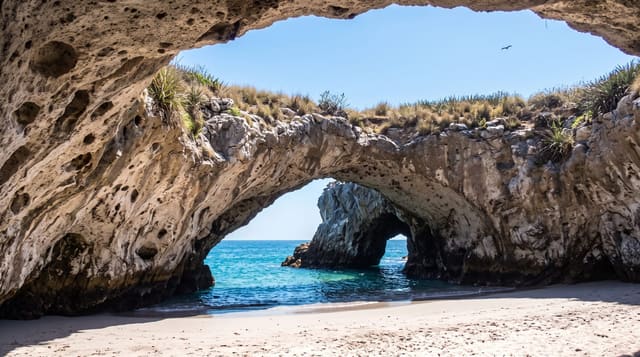
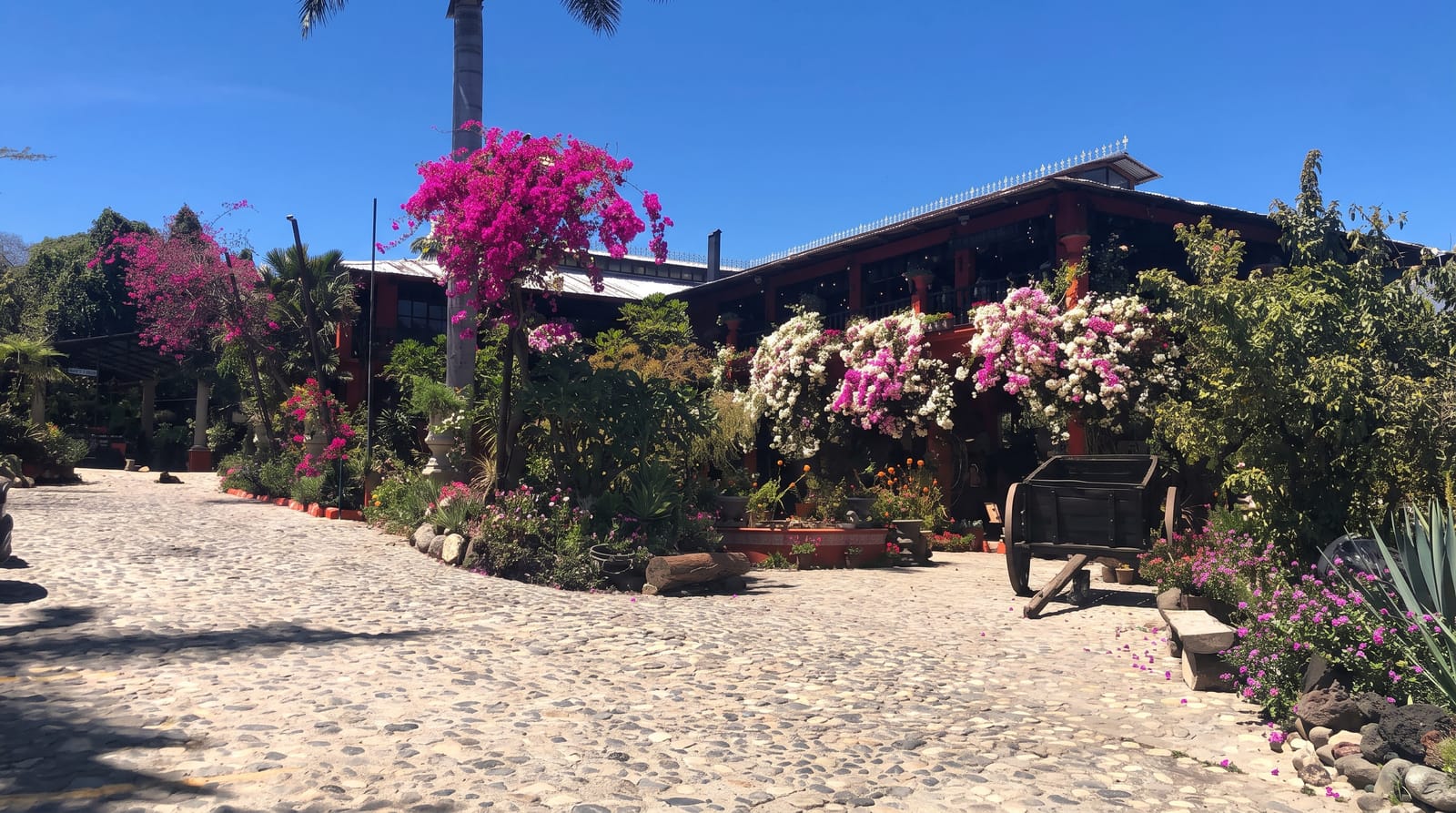
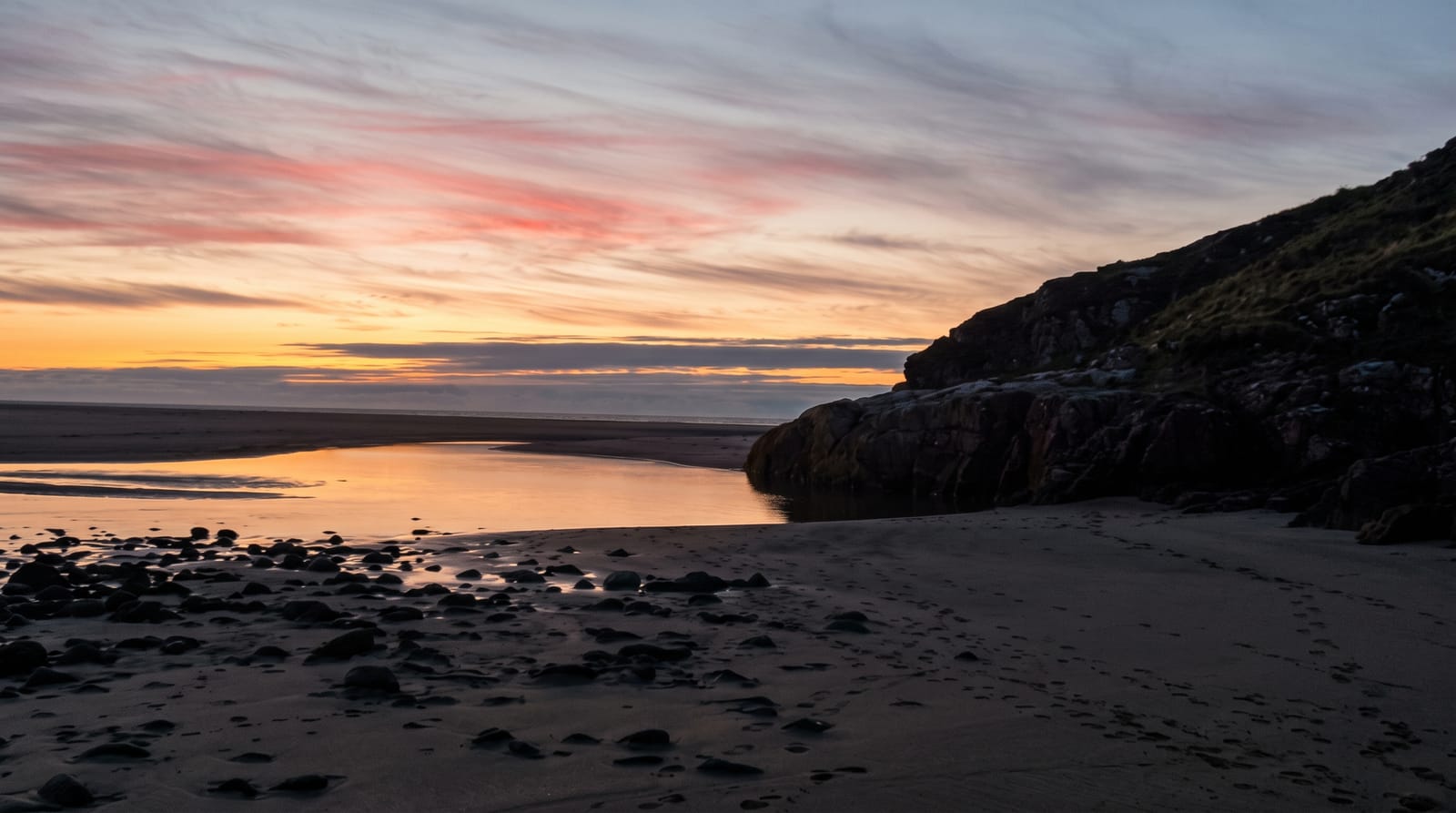
AI illustration
Puerto Vallarta sits on the Bahía de Banderas, one of the largest bays in Mexico, with the Sierra Madre dropping into it so steeply that the southern coast has villages reachable only by boat. The old town, the Zona Romántica, keeps cobbled streets, tiled roofs and the crown-topped church tower that is the town's emblem, along with a seafront malecón lined with bronze sculptures. It has been an established gay destination for decades and is comfortable with it. Water taxis run south to Yelapa and Las Ánimas, small beach villages with no road access, and in winter humpback whales come into the bay to breed, sometimes visible from the shore. Behind the town the jungle rises fast into coffee country and river canyons.
History
Archaeological finds suggest people have lived here continuously since about 580 BC. The first official Spanish expedition, led by Francisco Cortés de San Buenaventura, a nephew of Hernán Cortés, entered the valley in 1524, and by tradition the bay's name, Bahía de Banderas or Bay of Flags, comes from the banners his soldiers carried. The town's official founding story dates it to 12 December 1851, when Guadalupe Sánchez Torres and his family settled here and called the place Las Peñas de Santa María de Guadalupe; it grew in the 1860s as the mouth of the Cuale became a supply point for the Unión en Cuale company, and by 1885 had about 250 homes and 800 people. It is named after Ignacio Vallarta, a former governor of Jalisco, and the El Salado wharf, opened on 1 June 1970, made it Jalisco's first harbour town (Wikipedia, Puerto Vallarta).
What's there
- The Zona Romántica - cobbled old town, the church tower and the malecón sculptures.
- Yelapa and Las Ánimas - roadless beach villages reached by water taxi.
- Humpback whales - breeding in the bay from December to March.
- The Sierra Madre - jungle rivers and canyons immediately behind the town.
When to go
November to April is the dry season and the reason for the high season; summer is hot, humid and wet, with the hurricane season from June into October, though the bay is fairly sheltered. Whales are in the bay from about December to March.
Practical notes
The hotel zone north of the old town is a wall of resorts and the airport road is charmless; the Zona Romántica is where the character is. Timeshare touts at the airport and on the malecón are aggressive and practised. Beach vendors are constant. Summer humidity is heavy and afternoon storms are the norm.
Nearby
Sayulita and San Pancho are up the coast in Nayarit; the Marietas islands are a boat trip out.
What to pack for Puerto Vallarta
Chosen from what this place is for. Tap a kit for the full checklist.
- Reef-safe sunscreen - High SPF that will not bleach the coral you are swimming over. Find on Amazon
- Binoculars - The single best wildlife tool - even a compact pair transforms a sighting. Find on Amazon
- Strong insect repellent - DEET or picaridin; the jungle is where bites and disease risk are highest. Find on Amazon
- Shelter suited to the place - Tent, tarp or hut booking - match it to the terrain and rules. Find on Amazon
Some links on this page are Amazon affiliate links - if you buy through them we may earn a small commission at no extra cost to you.
All packing kitsPlan your trip
Where to start if Puerto Vallarta is going on the list.
Booking links on this page are affiliate links - if you book through them we may earn a small commission at no extra cost to you. It never changes what we write about a place.
Opening times, ticket prices and seasonal closures change - check the official source before you go: official site.