Cap Blanc
The monk seals' last stronghold - the peninsula reserve near Nouadhibou sheltering the world's largest colony of the rarest seal.
Updated 22 October 2026
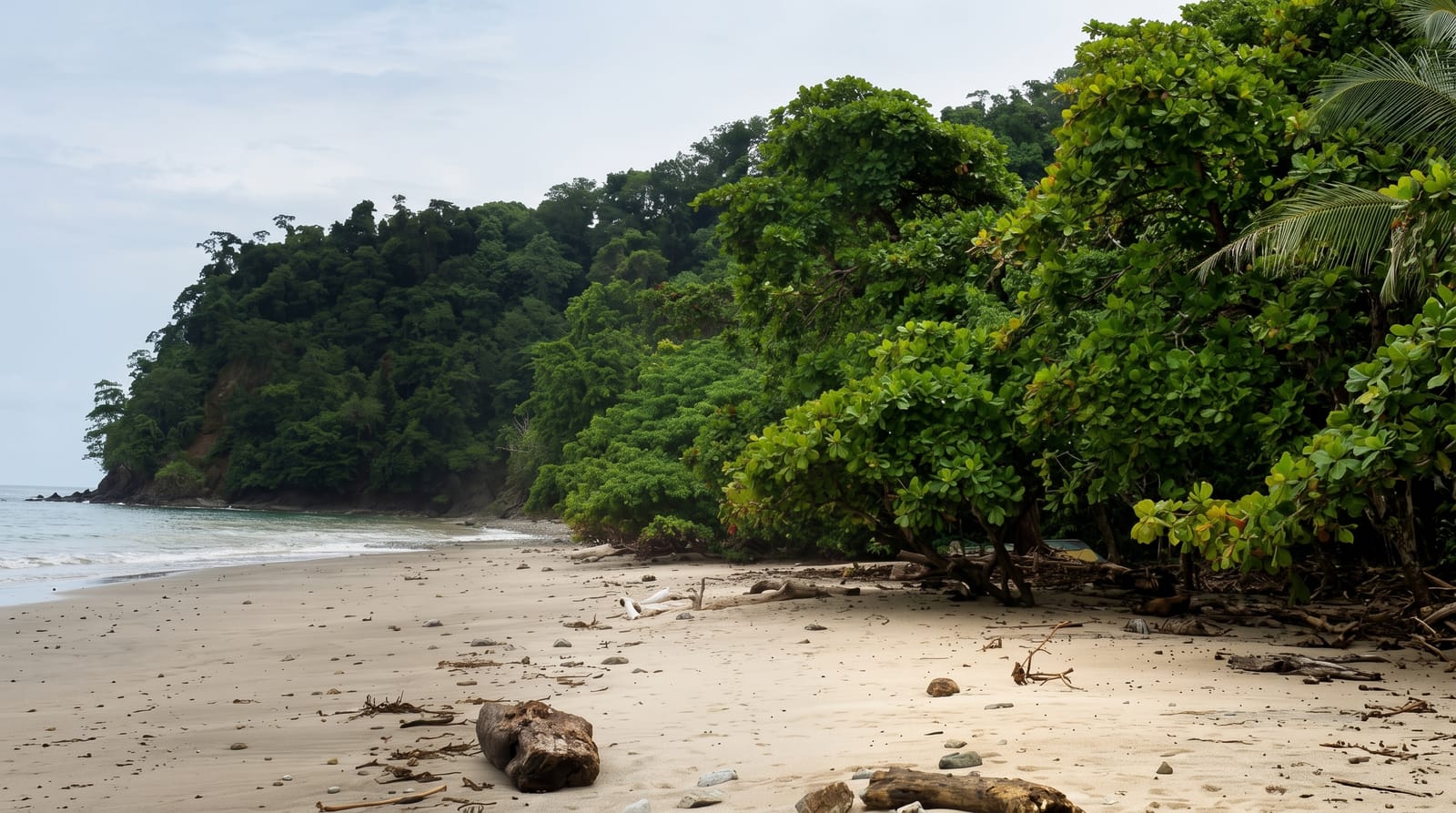
AI illustration
The Mediterranean monk seal is among the rarest marine mammals on earth - and its largest surviving colony hauls out below the cliffs of Cap Blanc, the peninsula tip near Nouadhibou where a small reserve protects the caves and beaches the seals depend on. Viewing runs from clifftop lookouts: dark torpedo bodies in the swell, hauled groups on the sheltered sand, the colony's survival here a quiet conservation success after decades of decline. The cape adds its own furniture - a lighthouse, the rusting picturesque of the coast's shipwreck era, and the strange geography of the peninsula.
History
Portuguese explorers first reached the cape, which they called Cabo Branco, in 1441. Spanish fishermen from the Canary Islands fished, whaled and hunted seals along this coast from 1500, and a lighthouse was built on the cape in 1910 (Wikipedia, Ras Nouadhibou).
The landscape
- The monk seals - the world's largest colony from the lookouts.
- The cliff caves - the breeding shelters that saved the species here.
- The lighthouse point - the cape's Atlantic full stop.
- The wreck coast - rusting hulls of the peninsula's ship-graveyard era.
When to go
November to March for cool viewing weather; seals attend year round with haul-outs best in calm seas. Mornings give the gentlest light on the water.
Things to know
Viewing is distant by design - binoculars make the visit, and descending to seal beaches is prohibited for exactly the reasons the colony survives. Arrange the reserve run from Nouadhibou with a local driver; the town itself is a working fishing-and-iron port, interesting in its own gritty right.
Nearby
Nouadhibou, the iron-ore train's terminus and the Banc d'Arguin south.
Key facts
Source: Wikidata, item Q1520946, read on 18 October 2026.
What to pack for Cap Blanc
Chosen from what this place is for. Tap a kit for the full checklist.
- Travel rod + reel - A packable multi-piece rod fits in a case and covers most holiday fishing. Find on Amazon
- Reef-safe sunscreen - High SPF that will not bleach the coral you are swimming over. Find on Amazon
- Head torch + spare batteries - Hands-free light is essential; caves are truly dark. Find on Amazon
- A small tackle selection - Hooks, weights, line and a few lures or flies suited to local waters. Find on Amazon
Some links on this page are Amazon affiliate links - if you buy through them we may earn a small commission at no extra cost to you.
All packing kitsPlan your trip
Where to start if Cap Blanc is going on the list.
Booking links on this page are affiliate links - if you book through them we may earn a small commission at no extra cost to you. It never changes what we write about a place.
Opening times, ticket prices and seasonal closures change - check the official source before you go: official site.