Luxembourg City
A dramatic fortress capital of gorges and bastions - one of Europe's most spectacularly sited cities, perched on cliffs above deep ravines, its old town and fortifications a UNESCO World Heritage Site.
Updated 18 October 2026
AI illustration
UNESCO World Heritage
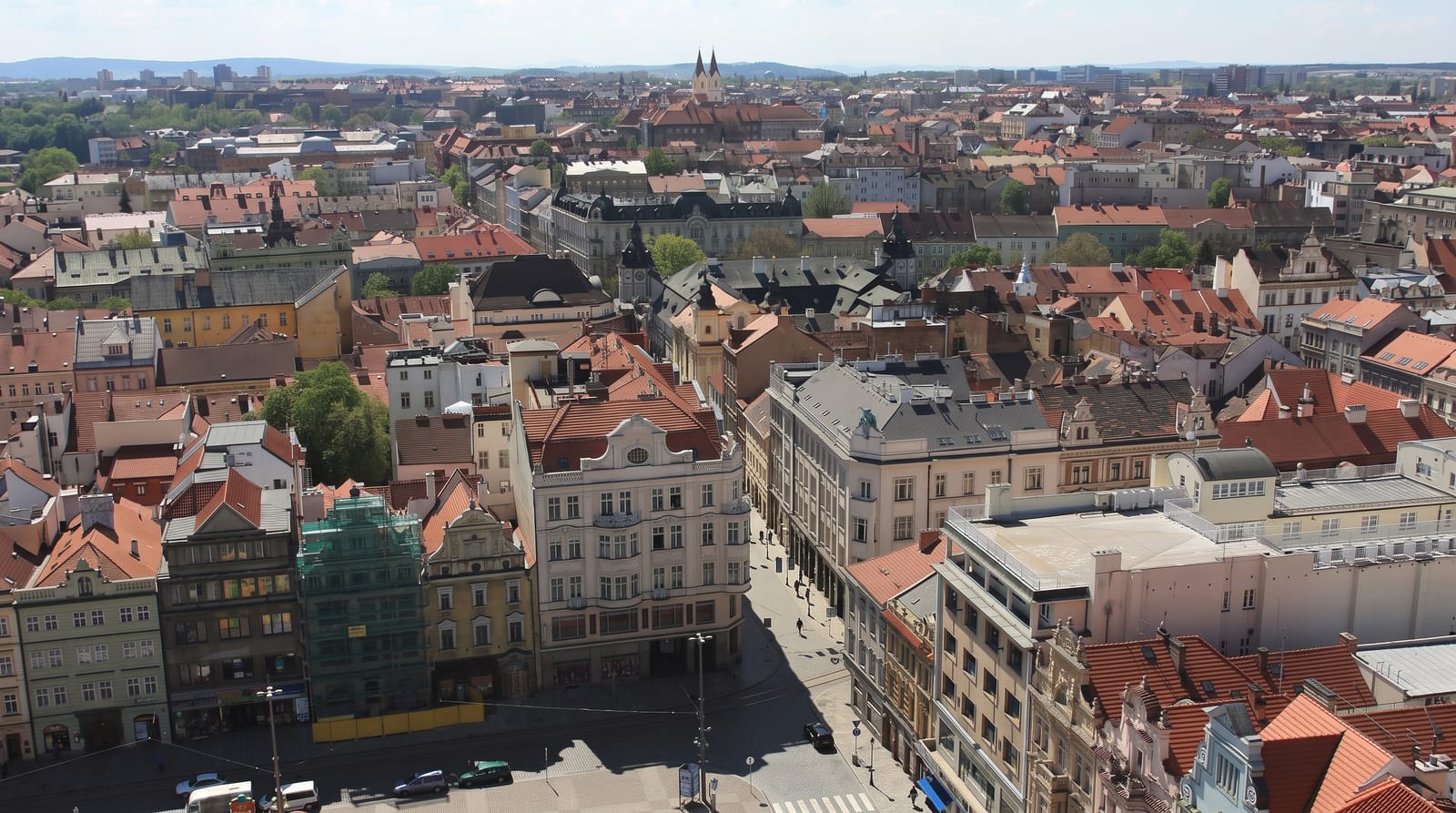
Luxembourg City, capital of the tiny Grand Duchy, is one of Europe's most dramatically situated cities, its historic heart perched atop sheer sandstone cliffs above the deep, green gorges of the Alzette and Pétrusse rivers. Once among the most formidable fortresses on the continent, earning it the name Gibraltar of the North, its old town and vast defences are a UNESCO World Heritage Site. Elegant squares, the Grand Ducal Palace and the cathedral crown the heights, while ramparts, viaducts and the lower Grund quarter fill the valleys below.
History
Frankish settlers founded some of the first settlements within today's city in the Alzette valley, and in 963 Siegfried I of the Ardennes acquired the small castellum of Lucilinburhuc from the abbey of Saint Maximin in Trier and began a castle on the Bock rock; in 987 Archbishop Egbert of Trier consecrated altars in what is now St Michael's Church, and the city grew around the Fish Market nearby. New walls were built around 1340 under John of Bohemia, the Burgundians under Philip the Good conquered the city in 1443, and under the Burgundian, Spanish and Austrian Habsburgs the fortress was strengthened again and again, enlarged by Vauban under French rule and once more by the Austrians in the 1730s and 1740s. It held out so long against a French siege that Lazare Carnot called it the best fortress in the world except Gibraltar, hence the nickname Gibraltar of the North, and after the Luxembourg Crisis the Treaty of London of 1867 required the fortifications to be dismantled (Wikipedia, Luxembourg City).
The main sights
- The Chemin de la Corniche - the rampart walk, Europe's most beautiful balcony.
- The Grand Ducal Palace - the ornate official residence.
- The Grund - the picturesque lower town in the gorge.
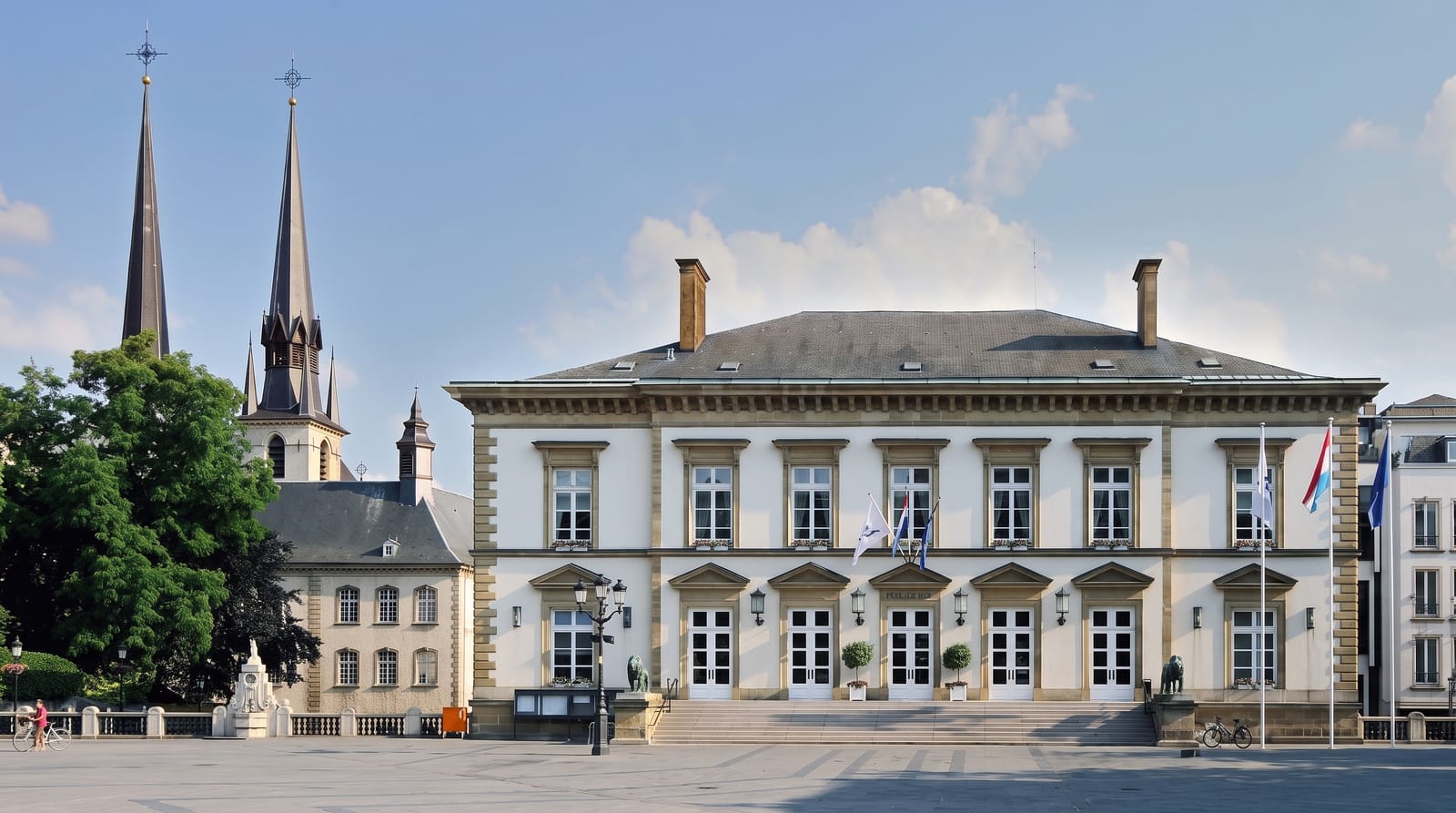
- The old town squares - the Place d'Armes and cathedral.
When to go
April to October, for mild weather and green gorges; the city is lovely in autumn colour and festive in December with Christmas markets. The scenic clifftop walks and valley quarters are best enjoyed on foot in fine weather. Public transport nationwide is free.
What to expect
It is a small, wealthy, rather buttoned-up capital, quiet in the evenings and pricey, more a place of scenic strolls and history than buzzing nightlife or major museums, so a day or two suffices for most. Its compact size, though, and its extraordinary setting of cliffs, gorges, ramparts and bridges make it genuinely spectacular and unlike any other European capital.
Nearby
The Bock Casemates, the Mullerthal and the Moselle valley are within reach.
Key facts
Source: Wikidata, item Q1842, read on 18 October 2026.
What to pack for Luxembourg City
Chosen from what this place is for. Tap a kit for the full checklist.
- Comfortable walking shoes - Sightseeing means kilometres of pavement and cobbles daily. Find on Amazon
- Modest clothing - Shoulders and knees covered - the single most common requirement. Find on Amazon
- A slim anti-theft daypack - Zips that close properly; keep it in front in crowds and on transit. Find on Amazon
- A scarf or shawl - To cover the head or shoulders on entry; women especially at mosques. Find on Amazon
Some links on this page are Amazon affiliate links - if you buy through them we may earn a small commission at no extra cost to you.
All packing kitsPlan your trip
Where to start if Luxembourg City is going on the list.
Booking links on this page are affiliate links - if you book through them we may earn a small commission at no extra cost to you. It never changes what we write about a place.
Opening times, ticket prices and seasonal closures change - check the official source before you go: official site.