Stelmužė Oak
An enormous hollow oak in the far northeast, usually given as one of the oldest in Europe.
Updated 1 September 2026
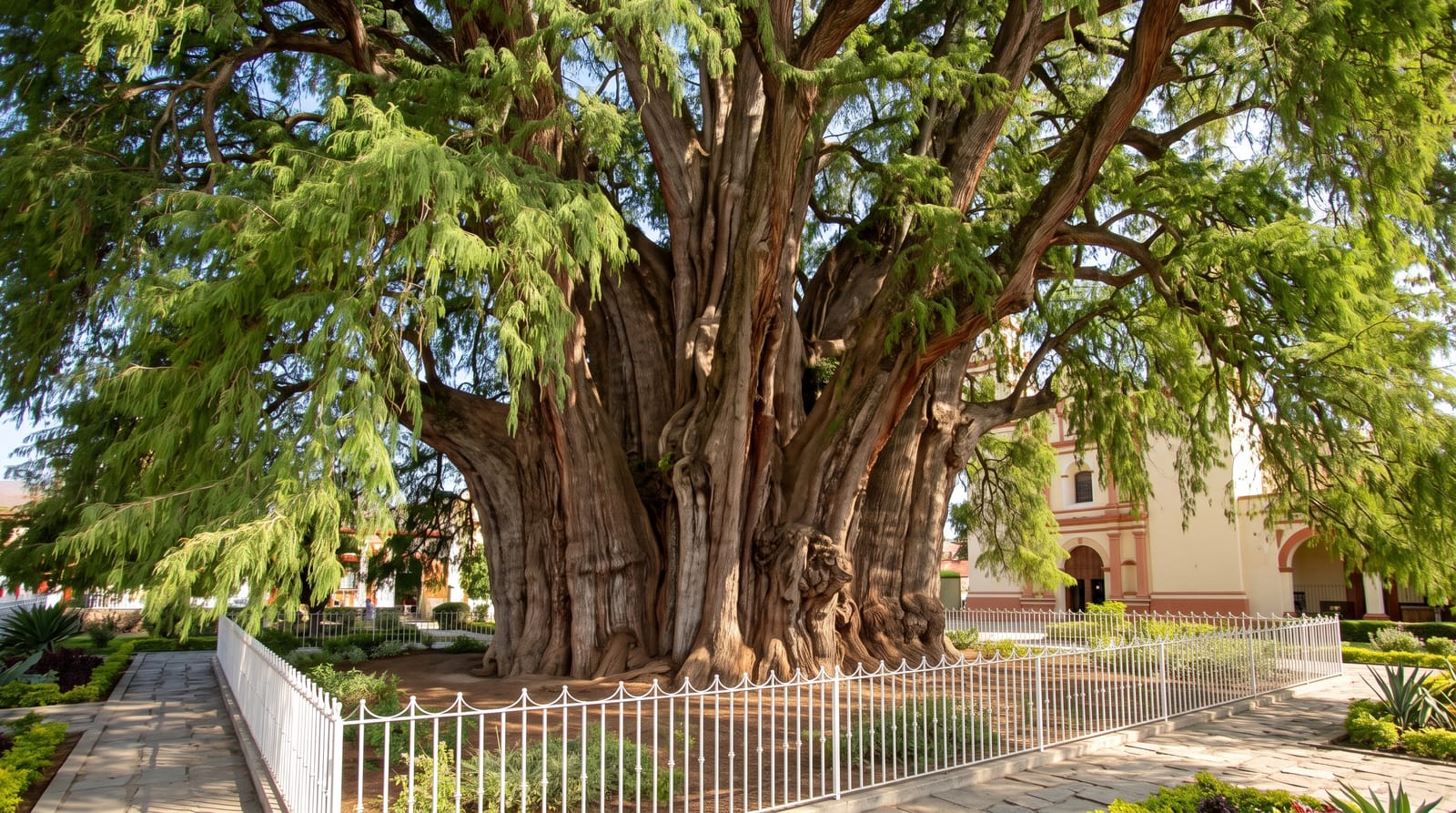
The Stelmužė oak stands in a small village near the Latvian border, a vast hollow trunk around thirteen metres in girth and some twenty-three metres high, propped and braced, with the crown much reduced by centuries of decay and storm damage. Its age is usually given as fifteen hundred years or more, which would make it one of the oldest oaks in Europe, though such figures for hollow trees are estimates rather than measurements and lower ages have been argued. Whatever the number, it is very old and very large. It is fenced to protect the roots, with a viewing area, and a wooden church of 1650 stands nearby with carved figures inside. The village is tiny and there is nothing else.
Highlights
- The hollow trunk - thirteen metres round, braced and propped.
- The reduced crown - the remains of the canopy after centuries of loss.
- The wooden church - the 1650 building with carved figures nearby.
- The village setting - a tiny settlement close to the border.
When to go
May to October when the tree is in leaf and the village accessible; the structure of the trunk is clearer in winter with the leaves off. The site is open at all times.
Good to know
The tree is fenced and cannot be approached closely, which is right but limits the experience. The age figure is an estimate and often repeated uncritically. The village has no facilities. It is a twenty-minute stop after a long drive.
Nearby
Zarasai lies south; the Latvian border is immediately north.
Key facts
Source: Wikidata, item Q2972120, read on 18 October 2026.
What to pack for Stelmužė Oak
Chosen from what this place is for. Tap a kit for the full checklist.
- Broken-in walking shoes or boots - Grip and ankle support matter more than looks; never hike in brand-new boots. Find on Amazon
- Layers + a waterproof shell - Mountain weather turns fast; a packable rain jacket saves the day. Find on Amazon
- Daypack with rain cover - 20-30 litres holds water, snacks, layers and a first-aid kit. Find on Amazon
- Offline maps + a power bank - Download the trail before you lose signal; carry backup charge. Find on Amazon
Some links on this page are Amazon affiliate links - if you buy through them we may earn a small commission at no extra cost to you.
All packing kitsPlan your trip
Where to start if Stelmužė Oak is going on the list.
Booking links on this page are affiliate links - if you book through them we may earn a small commission at no extra cost to you. It never changes what we write about a place.
Opening times, ticket prices and seasonal closures change - check the official source before you go: official site.