Arabuko-Sokoke Forest
The largest surviving coastal dry forest in East Africa, home to endemic owls, shrews and birds found almost nowhere else.
Updated 1 November 2026
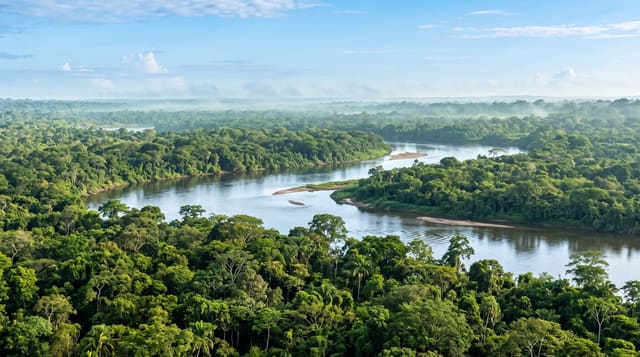
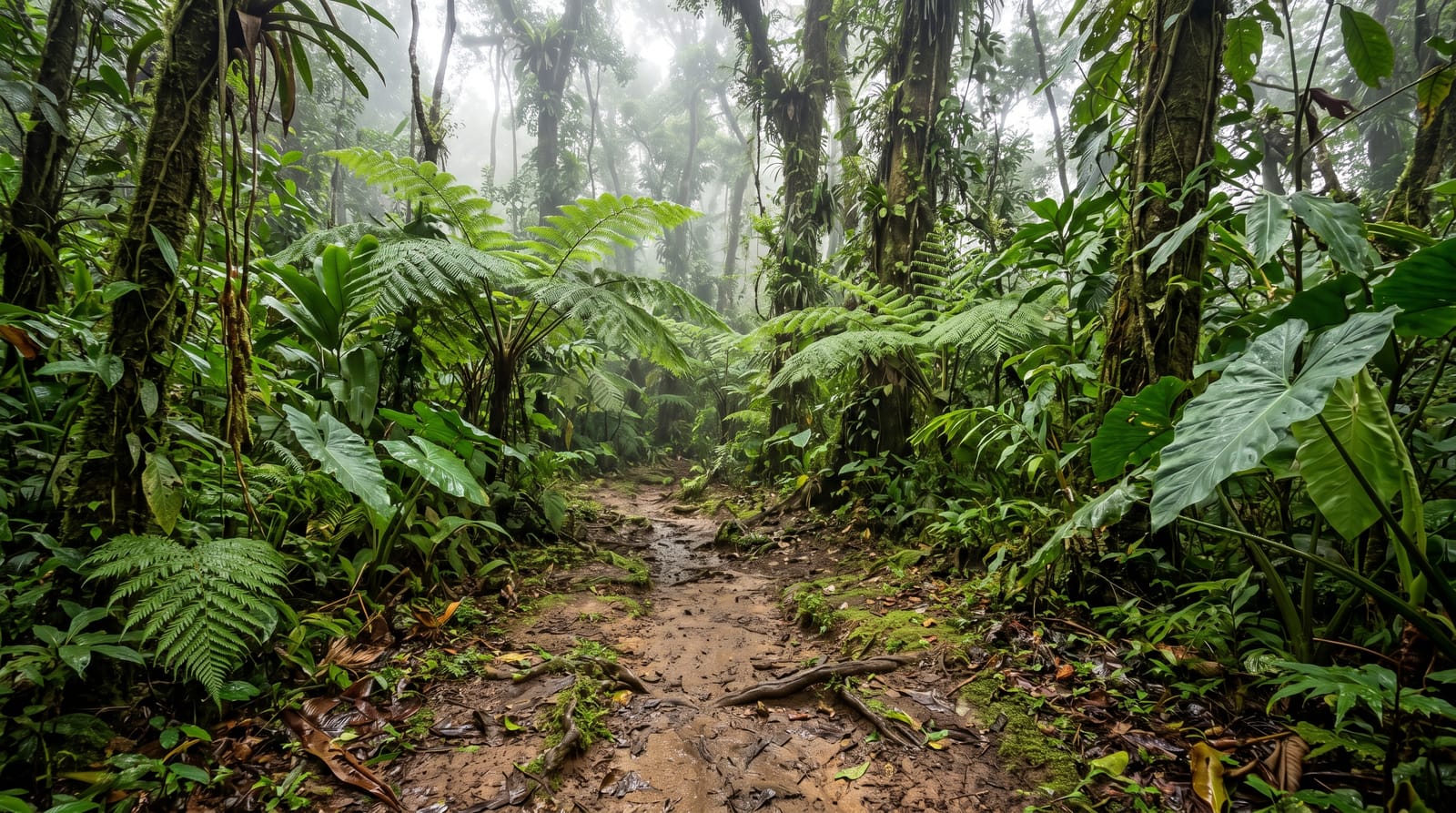
Arabuko-Sokoke covers around four hundred square kilometres behind the coast and is the largest remaining fragment of the coastal forest that once ran along East Africa, which makes it one of the most important bird sites on the continent. Its specialities are local: the Sokoke scops owl, a tiny owl described only in the 1960s, the Clarke's weaver which breeds nowhere else known, the Sokoke pipit and the Amani sunbird, along with the golden-rumped elephant shrew, a rabbit-sized animal distantly related to elephants that trots through the leaf litter and is found only in these coastal forests. Three distinct forest types sit side by side, from open cynometra thicket to tall mixed forest, and each holds different species. Elephants are present in small numbers. A visitor centre at the gate arranges guides, without whom finding anything is unlikely.
Background
The forest reserve lies 110 km north of Mombasa, and at 420 km² it is the largest fragment of coastal forest left in East Africa. It was first protected in 1943 and gazetted in the 1960s, and several forest, wildlife and research bodies manage it jointly with community groups; the national park, gazetted in the late 1980s, covers only a few square kilometres on its north-western edge. Besides the Clarke's weaver, found nowhere else, the Sokoke scops owl, Sokoke pipit, Amani sunbird and spotted ground thrush are shared only with a forest in Tanzania, and the forest also holds the Sokoke bushy-tailed mongoose and Aders's duiker. Next to it lies Mida Creek, a mangrove wintering ground for shorebirds such as the Terek sandpiper and crab plover.
Source: Wikipedia, "Arabuko Sokoke National Park"
What you'll find
- Endemic birds - Sokoke scops owl, Clarke's weaver, Sokoke pipit and Amani sunbird.
- Golden-rumped elephant shrew - the forest's odd and charismatic mammal.
- Three forest types - distinct habitats within a short distance.
- Forest tracks and trails - walking and driving routes from the main gate.
When to go
Dry seasons for the tracks; birding is good year-round with migrants from November. Early morning is essential for the birds, and the scops owl means a night or dawn outing. Mosquitoes are abundant.
Things to know
Without a guide, most visitors see very little: the specialities are small, quiet and hard to find. Tracks are sandy and 4x4 helps. Facilities are the visitor centre and a couple of simple options nearby. The forest is hot and humid, and walking is slow going.
Nearby
Gede ruins and Mida Creek are adjacent; Watamu and Malindi lie on the coast.
Key facts
Source: Wikidata, item Q624443, read on 18 October 2026.
What to pack for Arabuko-Sokoke Forest
Chosen from what this place is for. Tap a kit for the full checklist.
- Broken-in walking shoes or boots - Grip and ankle support matter more than looks; never hike in brand-new boots. Find on Amazon
- Binoculars - The single best wildlife tool - even a compact pair transforms a sighting. Find on Amazon
- Strong insect repellent - DEET or picaridin; the jungle is where bites and disease risk are highest. Find on Amazon
- Layers + a waterproof shell - Mountain weather turns fast; a packable rain jacket saves the day. Find on Amazon
Some links on this page are Amazon affiliate links - if you buy through them we may earn a small commission at no extra cost to you.
All packing kitsPlan your trip
Where to start if Arabuko-Sokoke Forest is going on the list.
Booking links on this page are affiliate links - if you book through them we may earn a small commission at no extra cost to you. It never changes what we write about a place.
Opening times, ticket prices and seasonal closures change - check the official source before you go: official site.