Takasaki Daruma Temple
The temple that started the daruma trade, where the dolls are returned each January to be burned.
Updated 29 August 2026
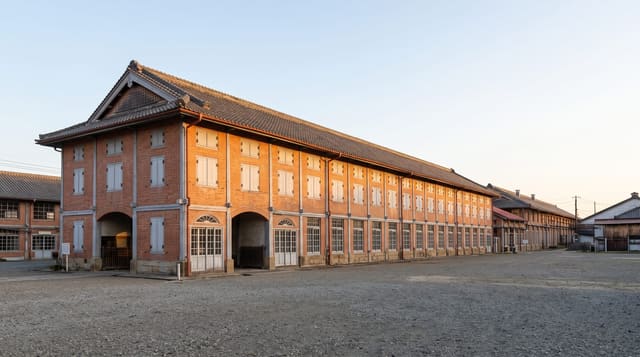
Shorinzan Darumaji is where the Takasaki daruma began: in the late eighteenth century, after crop failures, the temple's priest is said to have given local farmers a design for a papier-mache doll of Bodhidharma to make and sell through the winter, and the district became the centre of production - Takasaki still makes something like eighty percent of Japan's daruma. The dolls are round, weighted so they right themselves when pushed over, and sold with both eyes blank; you paint in one when you set a goal and the other when you reach it. At the temple, shelves and racks hold thousands of returned dolls with both eyes filled, brought back at year's end and burned in a ceremony in January, when a large market fills the grounds. The main hall's ceiling carries painted panels, and the temple was where a German architect lived in the 1930s while writing about Japanese building.
What to look for
- Racks of returned dolls - thousands with both eyes filled, awaiting the January burning.
- The origin story - a design given to farmers after crop failures in the eighteenth century.
- The two eyes - one painted at the setting of a goal, one at its completion.
- The New Year market - the grounds filled with stalls and the burning ceremony.
When to go
The first week of January for the market and burning. Two hours.
Before you go
Outside the January market the temple is quiet with little activity. It is a fair walk from the nearest small station and buses are infrequent. English explanation is minimal. Market days are extremely crowded.
Nearby
Takasaki city is east; Kusatsu Onsen is north-west.
What to pack for Takasaki Daruma Temple
Chosen from what this place is for. Tap a kit for the full checklist.
- Comfortable walking shoes - Sightseeing means kilometres of pavement and cobbles daily. Find on Amazon
- Modest clothing - Shoulders and knees covered - the single most common requirement. Find on Amazon
- Swimwear - Needed at most public thermal pools; some traditional baths are nude and single-sex. Find on Amazon
- A slim anti-theft daypack - Zips that close properly; keep it in front in crowds and on transit. Find on Amazon
Some links on this page are Amazon affiliate links - if you buy through them we may earn a small commission at no extra cost to you.
All packing kitsPlan your trip
Where to start if Takasaki Daruma Temple is going on the list.
Booking links on this page are affiliate links - if you book through them we may earn a small commission at no extra cost to you. It never changes what we write about a place.
Opening times, ticket prices and seasonal closures change - check the official source before you go: official site.