Cagliari
A capital of white limestone bastions on a hill, with flamingos breeding in the lagoons at the edge of the city.
Updated 19 October 2026

AI illustration
Cagliari's Castello quarter sits on a limestone ridge behind Pisan walls and towers, with the Torre dell'Elefante and Torre di San Pancrazio of the early fourteenth century open to climb; the stone is pale and the terraces look out over the port and the lagoons. The national archaeological museum holds the bronzetti, small nuragic bronze figures of warriors, chiefs and boats made in the second and first millennia BC. On the city's edge, the Molentargius and Santa Gilla lagoons hold a breeding colony of greater flamingos, which established itself in the 1990s and now numbers thousands within sight of apartment blocks.
History
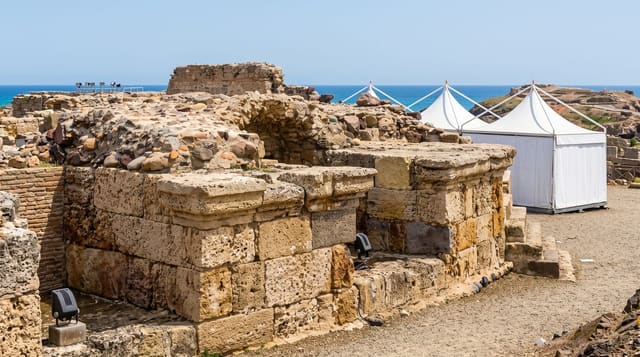
Beneath the modern city lies a continuous record of settlement, and a legend told by the Latin writer Gaius Julius Solinus says Caralis was founded by Aristaeus, son of Apollo and the nymph Cyrene, who brought hunting and farming to Sardinia (Wikipedia, Cagliari).
What you'll find
- The Castello walls - Pisan towers and bastions on a limestone ridge.
- The nuragic bronzetti - small prehistoric bronze figures in the museum.
- The city flamingos - a breeding colony in lagoons at the urban edge.
- The Poetto beach - a long city beach below the salt pans.
When to go
April to June and September to October; summer is very hot. Flamingos are present year-round with numbers peaking in spring and autumn. Museums close Mondays.
Things to know
The Castello is a steep climb, though lifts and a funicular help. Summer heat is severe. Lagoon paths are exposed with little shade.
Nearby
Nora lies south-west; Villasimius is east along the coast.
Key facts
Source: Wikidata, item Q1897, read on 18 October 2026.
What to pack for Cagliari
Chosen from what this place is for. Tap a kit for the full checklist.
- Broken-in walking shoes or boots - Grip and ankle support matter more than looks; never hike in brand-new boots. Find on Amazon
- Reef-safe sunscreen - High SPF that will not bleach the coral you are swimming over. Find on Amazon
- Comfortable walking shoes - Sightseeing means kilometres of pavement and cobbles daily. Find on Amazon
- Layers + a waterproof shell - Mountain weather turns fast; a packable rain jacket saves the day. Find on Amazon
Some links on this page are Amazon affiliate links - if you buy through them we may earn a small commission at no extra cost to you.
All packing kitsPlan your trip
Where to start if Cagliari is going on the list.
Booking links on this page are affiliate links - if you book through them we may earn a small commission at no extra cost to you. It never changes what we write about a place.
Opening times, ticket prices and seasonal closures change - check the official source before you go: official site.