Alghero
A walled seafront town where a form of Catalan is still spoken, six centuries after Aragon repopulated it.
Updated 19 October 2026
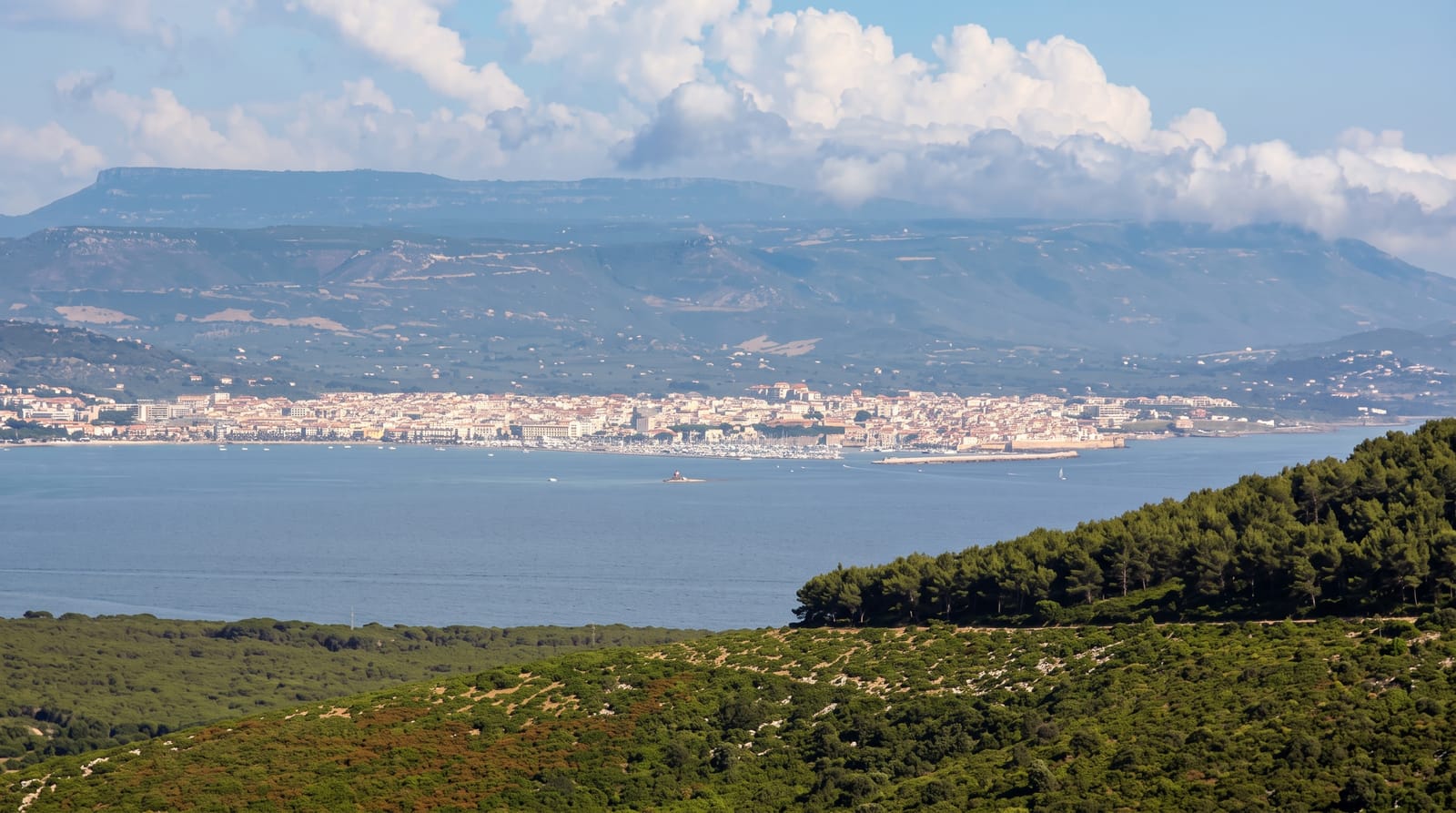
AI illustration
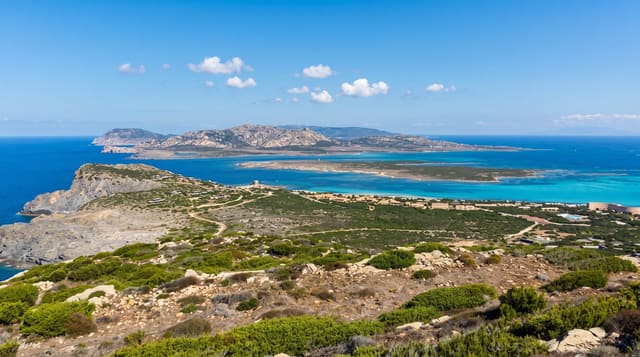
Aragon took Alghero in 1353 and settled it with people from Catalonia, and Algherese, a variety of Catalan, has been spoken here ever since; street signs are bilingual and the language has official recognition, though speaker numbers have fallen. The sea walls and bastions survive and are walked as a promenade above the water. Along the coast at Capo Caccia, Neptune's Grotto is a large sea cave with a saltwater lake inside, reached either by boat or by the Escala del Cabirol, a stair of over six hundred steps cut down the cliff face. Red coral has been fished off this coast for centuries.
History
The town kept the language of its rulers of the Crown of Aragon from the end of the Middle Ages, when Sardinia belonged to that crown, and Algherese, the Catalan dialect spoken here, has official status (Wikipedia, Alghero).
What to look for
- The Catalan language - Algherese still spoken and used on street signs.
- The sea walls - bastions walked as a promenade above the water.
- Neptune's Grotto - a sea cave with an interior saltwater lake.
- The cliff stair - over six hundred steps down Capo Caccia.
When to go
May to September; the grotto boats and the cliff stair both close in rough weather. August is crowded. The old town is pleasant year-round.
What to expect
Boat access to the grotto is cancelled in swell, and the stair is a hard climb back. The old town is heavily geared to visitors. Coral sold is often not local.
Nearby
Capo Caccia lies west; Bosa is south along the coast.
Key facts
Source: Wikidata, item Q166282, read on 18 October 2026.
What to pack for Alghero
Chosen from what this place is for. Tap a kit for the full checklist.
- Head torch + spare batteries - Hands-free light is essential; caves are truly dark. Find on Amazon
- Comfortable walking shoes - Sightseeing means kilometres of pavement and cobbles daily. Find on Amazon
- Grippy closed shoes - Cave floors are wet, muddy and slick with formations. Find on Amazon
- A slim anti-theft daypack - Zips that close properly; keep it in front in crowds and on transit. Find on Amazon
Some links on this page are Amazon affiliate links - if you buy through them we may earn a small commission at no extra cost to you.
All packing kitsPlan your trip
Where to start if Alghero is going on the list.
Booking links on this page are affiliate links - if you book through them we may earn a small commission at no extra cost to you. It never changes what we write about a place.
Opening times, ticket prices and seasonal closures change - check the official source before you go: official site.