Knocknarea
A flat-topped Sligo hill carrying an unexcavated neolithic cairn said to hold Queen Maeve, and a plea not to climb it.
Updated 28 August 2026
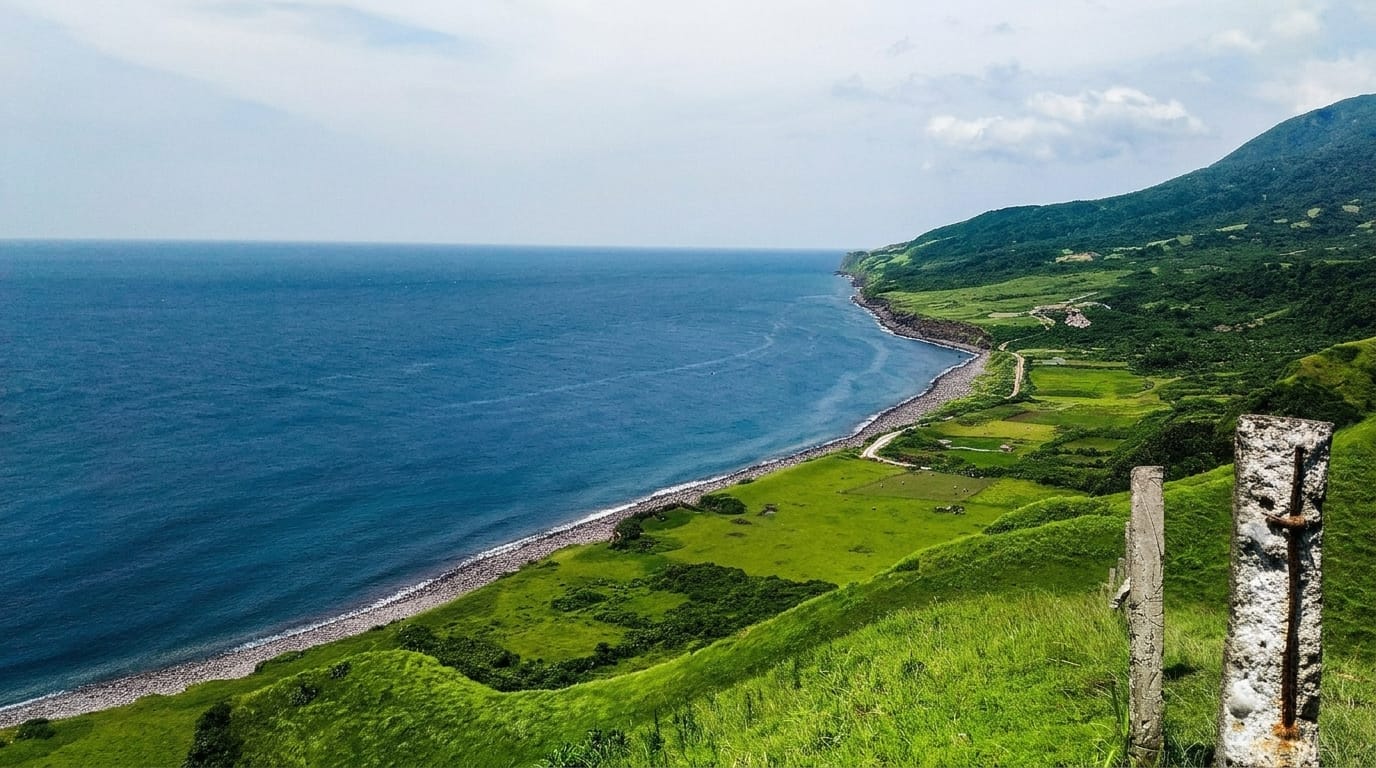
Knocknarea rises to 327 metres above the Sligo coast and is visible from most of the county. On its flat summit sits Miosgan Meadhbha, a cairn about ten metres high and fifty-five across, built around 3000 BC and never excavated - it almost certainly covers a passage tomb, and it is one of the largest unopened monuments of its kind in Europe. Tradition names it as the grave of Queen Maeve of Connacht, buried upright facing her enemies in Ulster, though the cairn predates any historical figure by millennia. There is a long-standing custom of carrying a stone up and adding it to the pile, and archaeologists now ask people not to - the cairn has been visibly damaged by walkers climbing on it, and the Queen Maeve Trail was built partly to manage the pressure. The summit view covers Sligo Bay, Benbulbin, the Ox Mountains and Donegal.
Highlights
- The cairn - ten metres high, around 3000 BC, never excavated.
- The summit plateau - flat ground with a view over most of Sligo.
- The Queen Maeve Trail - the built path up from the Strandhill side.
- The tradition - the stone-carrying custom, now discouraged.
When to go
April to October. The built trail makes it manageable year-round, but the summit is exposed and windy. Early or late gives the best light over the bay.
Things to know
Do not climb on or add stones to the cairn - it is causing real damage to an unexcavated monument. The summit is exposed with no shelter. The stepped trail is steep in its upper section.
Nearby
Strandhill is below the western side; Carrowmore is on the plain to the east.
Key facts
Source: Wikidata, item Q1777377, read on 18 October 2026.
What to pack for Knocknarea
Chosen from what this place is for. Tap a kit for the full checklist.
- Broken-in walking shoes or boots - Grip and ankle support matter more than looks; never hike in brand-new boots. Find on Amazon
- Layers + a waterproof shell - Mountain weather turns fast; a packable rain jacket saves the day. Find on Amazon
- Daypack with rain cover - 20-30 litres holds water, snacks, layers and a first-aid kit. Find on Amazon
- Offline maps + a power bank - Download the trail before you lose signal; carry backup charge. Find on Amazon
Some links on this page are Amazon affiliate links - if you buy through them we may earn a small commission at no extra cost to you.
All packing kitsPlan your trip
Where to start if Knocknarea is going on the list.
Booking links on this page are affiliate links - if you book through them we may earn a small commission at no extra cost to you. It never changes what we write about a place.
Opening times, ticket prices and seasonal closures change - check the official source before you go: official site.