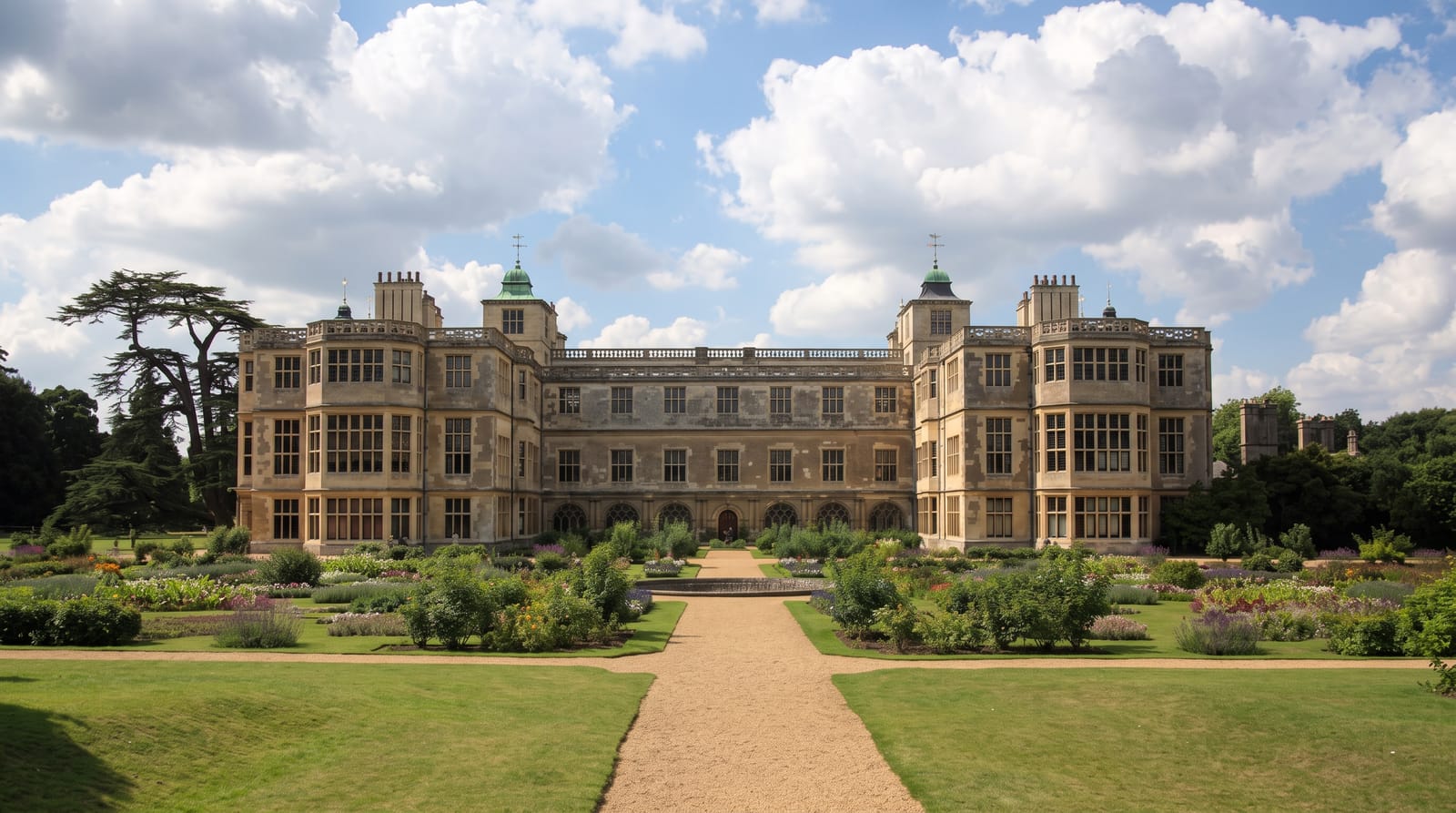
Bantry House
A house above Bantry Bay filled with objects bought across Europe in the 1820s, with a hundred steps climbing behind it.
Updated 19 October 2026
Bantry House has belonged to the White family since 1750 and is still lived in by their descendants, which is unusual and shows in the atmosphere - it is a family house shown to visitors rather than a museum. Richard White, the second Earl of Bantry, spent the 1820s and 30s travelling in Europe and buying: Aubusson and Gobelins tapestries, Russian icons, Pompeian mosaics, Italian and French furniture, much of it acquired as continental aristocratic collections were broken up after the Napoleonic wars, and it is all still in the rooms. Behind the house the Italianate garden rises in terraces with the Hundred Steps climbing the hill to a view straight down over the house and out along Bantry Bay. The first earl earned the title by raising the alarm in 1796 when a French invasion fleet carrying Wolfe Tone anchored in the bay and was scattered by storms without landing.
History
The house, first called Blackrock, was built around 1710 on the south side of Bantry Bay, and in 1750 Councillor Richard White bought it from Samuel Hutchinson and renamed it Seafield. The Whites, once merchants in Limerick, had settled on Whiddy Island in the late 17th century, by the 1780s the estate ran to about 80,000 acres, and the house has been open to visitors since 1946 (Wikipedia, Bantry House).
What's there
- The 1820s collection - tapestries, mosaics and furniture bought across Europe.
- The Hundred Steps - climbing the terraced garden behind the house.
- The bay view - from the top of the steps, over the roof and out to sea.
- The family occupation - still lived in by the Whites' descendants.
When to go
April to October; the house closes for winter. The gardens are best from May. Chamber music festivals are held here in summer.
Good to know
Seasonal opening only. Parts of the house are private and not shown. The Hundred Steps are steep and the terraces need mobility. Ticketed, with garden-only entry cheaper.
Nearby
Bantry town is beside the gates; Glengarriff and the Beara peninsula are north-west.
Key facts
Source: Wikidata, item Q806990, read on 18 October 2026.
What to pack for Bantry House
Chosen from what this place is for. Tap a kit for the full checklist.
- Comfortable walking shoes - Sightseeing means kilometres of pavement and cobbles daily. Find on Amazon
- A slim anti-theft daypack - Zips that close properly; keep it in front in crowds and on transit. Find on Amazon
- A refillable water bottle - Many cities have public fountains; save money and plastic. Find on Amazon
- A light layer + compact umbrella - For museum air-con and a sudden shower. Find on Amazon
Some links on this page are Amazon affiliate links - if you buy through them we may earn a small commission at no extra cost to you.
All packing kitsPlan your trip
Where to start if Bantry House is going on the list.
Booking links on this page are affiliate links - if you book through them we may earn a small commission at no extra cost to you. It never changes what we write about a place.
Opening times, ticket prices and seasonal closures change - check the official source before you go: official site.