Shatt al-Arab Corniche
Basra's palm-lined riverside walk along the waterway that carries the joined Tigris and Euphrates to the Gulf.
Updated 1 September 2026
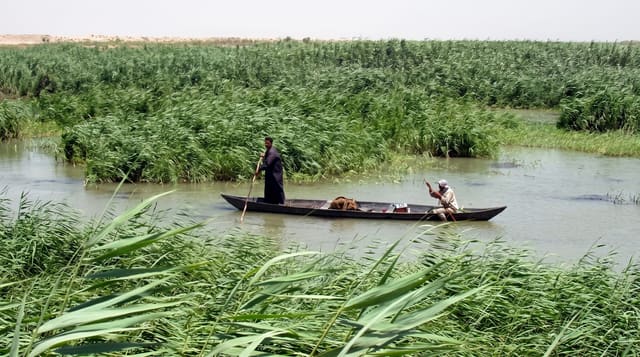
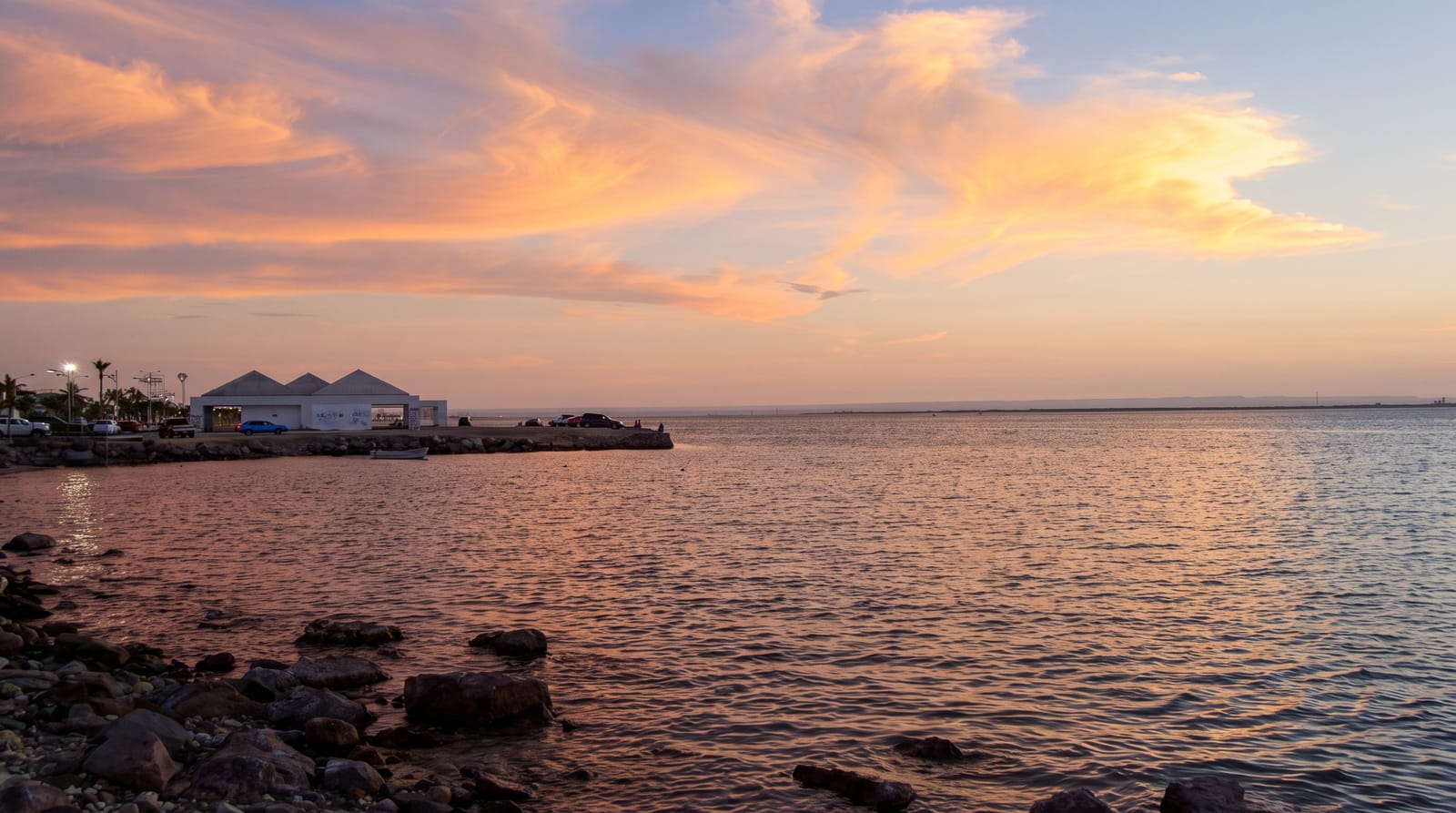
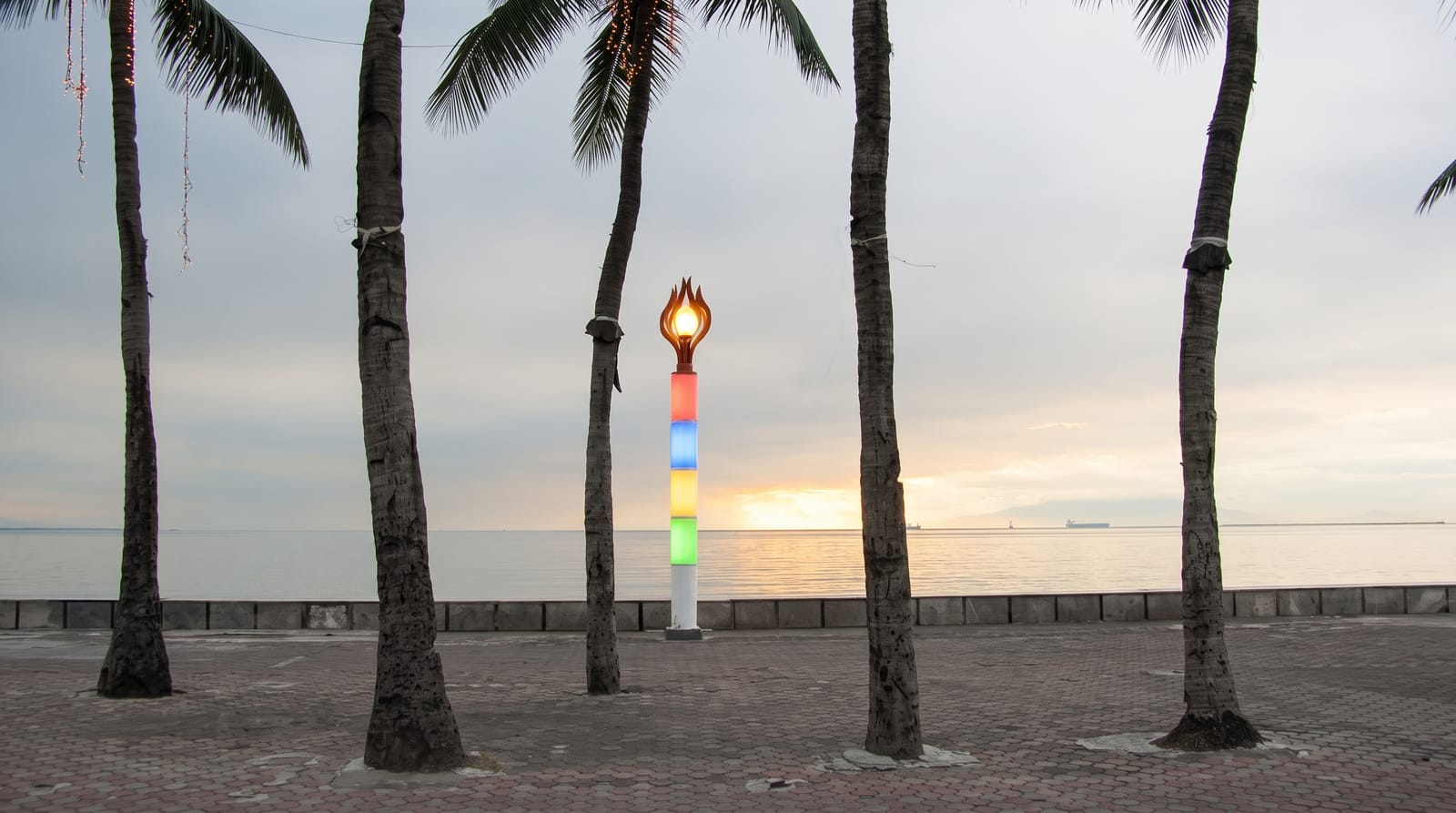
The Shatt al-Arab is the waterway formed where the Tigris and Euphrates join, running about two hundred kilometres from Al-Qurna to the Gulf, and Basra sits on its western bank. The corniche is the city's promenade: a paved walk with palms, benches, statues of poets and cafés, busy in the evening when families come out and the heat drops, with cargo ships and small boats passing on the water. Date palms grew along this waterway in numbers that once made the region the world's leading date producer, and the groves are still there in places though much reduced. Salinity pushing up from the Gulf has become a serious problem for the water and the palms, which is a live issue in the city.
Highlights
- The evening promenade - families, cafés and benches along the water.
- Shipping on the waterway - cargo vessels and small boats passing.
- Poets' statues - the monuments along the corniche.
- Date palm groves - the surviving plantations along the banks.
When to go
November to March; Basra summers are among the hottest anywhere and the corniche is unusable by day. Evenings are when the promenade works, at any time of year.
What to expect
Heat and humidity are extreme outside winter. Water quality in the Shatt al-Arab is poor and salinity is a serious local problem. Parts of the corniche are better maintained than others. Photography near port and military areas is restricted.
Nearby
The shanasheel quarter lies west; Al-Qurna is north.
Key facts
Source: Wikidata, item Q115908042, read on 18 October 2026.
What to pack for Shatt al-Arab Corniche
Chosen from what this place is for. Tap a kit for the full checklist.
- Strong insect repellent - DEET or picaridin; the jungle is where bites and disease risk are highest. Find on Amazon
- Comfortable walking shoes - Sightseeing means kilometres of pavement and cobbles daily. Find on Amazon
- Long, light, quick-dry clothing - Covers skin from insects and sun without cooking you in the humidity. Find on Amazon
- A slim anti-theft daypack - Zips that close properly; keep it in front in crowds and on transit. Find on Amazon
Some links on this page are Amazon affiliate links - if you buy through them we may earn a small commission at no extra cost to you.
All packing kitsPlan your trip
Where to start if Shatt al-Arab Corniche is going on the list.
Booking links on this page are affiliate links - if you book through them we may earn a small commission at no extra cost to you. It never changes what we write about a place.
Opening times, ticket prices and seasonal closures change - check the official source before you go: official site.