Mount Sibayak
An active volcano above Berastagi with a sulphur-vented crater, climbed in a couple of hours before dawn.
Updated 29 August 2026
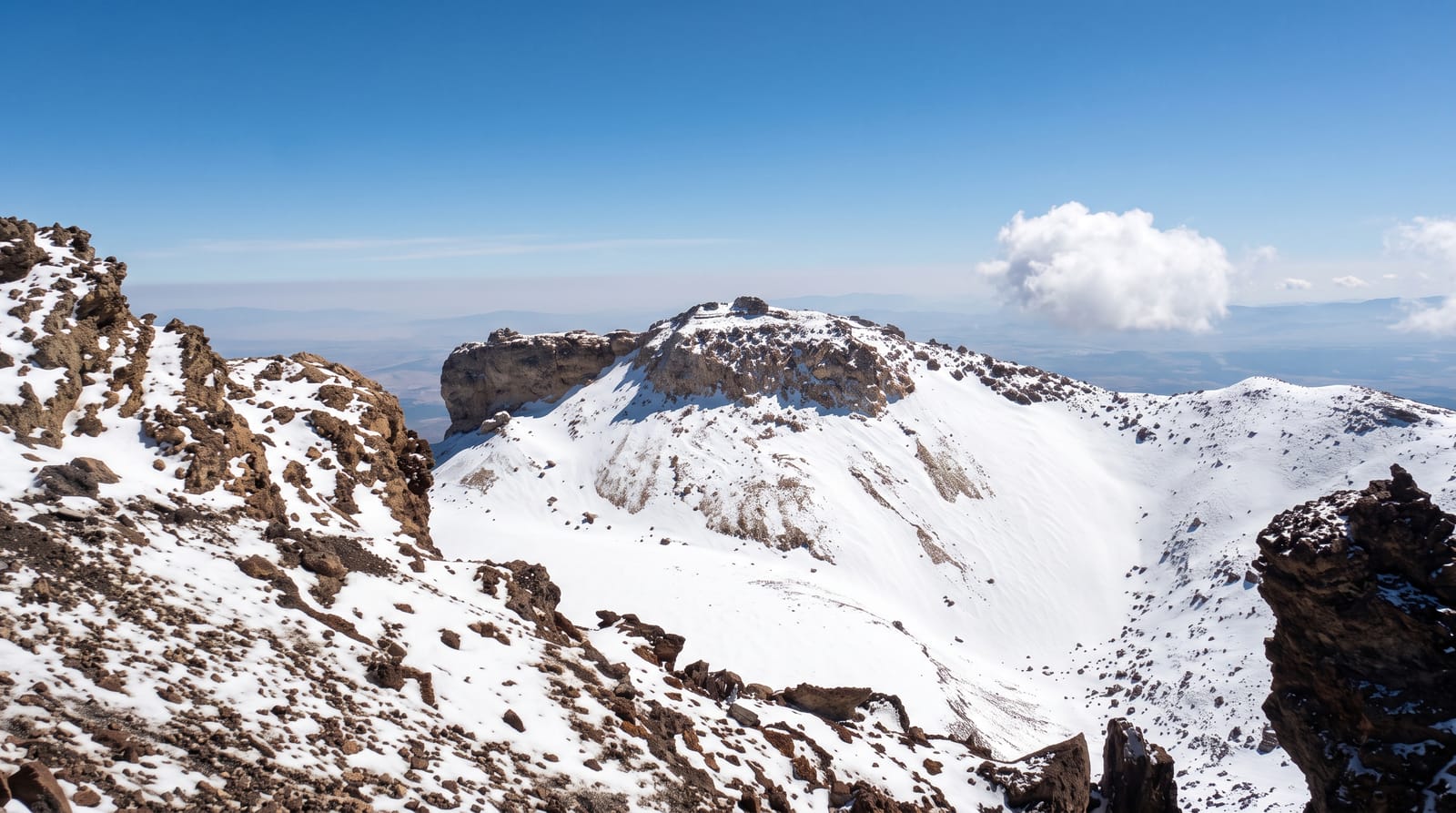
Sibayak stands at just over two thousand metres above Berastagi in the Karo highlands and is one of the more accessible active volcanoes in Sumatra - the walk up takes two to three hours from the road head, on a track that is steep and slippery but needs no equipment, and most people start around three in the morning to be on the rim for sunrise. The crater is not a single cone but a broken bowl with fumaroles hissing sulphur through yellow-crusted vents, steaming pools and loose scree, and the smell is strong enough to be unpleasant. Hot springs at the foot are used afterwards. The volcano is monitored and has been raised in alert level at times, closing the climb; the neighbouring Sinabung, dormant for centuries, erupted from 2010 and has killed people and displaced villages.
What you'll find
- A sulphur-vented crater - fumaroles and yellow crust in a broken bowl.
- A two to three hour climb - steep but requiring no equipment.
- Sunrise from the rim - the reason for the pre-dawn start.
- Hot springs below - the bathing pools at the foot of the mountain.
When to go
All year; pre-dawn start for sunrise. Half a day.
Before you go
This is an active volcano and access closes when the alert level rises - check before going. Sulphur gas is genuinely unpleasant and dangerous in hollows. The track is slippery; a guide is sensible.
Nearby
Berastagi and Sinabung are close; Lake Toba is south.
Key facts
Source: Wikidata, item Q2302908, read on 18 October 2026.
What to pack for Mount Sibayak
Chosen from what this place is for. Tap a kit for the full checklist.
- Broken-in walking shoes or boots - Grip and ankle support matter more than looks; never hike in brand-new boots. Find on Amazon
- Layers for big temperature swings - Warm sun by day, near-freezing at night, even near the equator. Find on Amazon
- Swimwear - Needed at most public thermal pools; some traditional baths are nude and single-sex. Find on Amazon
- Layers + a waterproof shell - Mountain weather turns fast; a packable rain jacket saves the day. Find on Amazon
Some links on this page are Amazon affiliate links - if you buy through them we may earn a small commission at no extra cost to you.
All packing kitsPlan your trip
Where to start if Mount Sibayak is going on the list.
Booking links on this page are affiliate links - if you book through them we may earn a small commission at no extra cost to you. It never changes what we write about a place.
Opening times, ticket prices and seasonal closures change - check the official source before you go: official site.