Silent Valley National Park
Rainforest saved from a dam by a campaign in the 1970s, now among the least disturbed forest in India.
Updated 21 October 2026
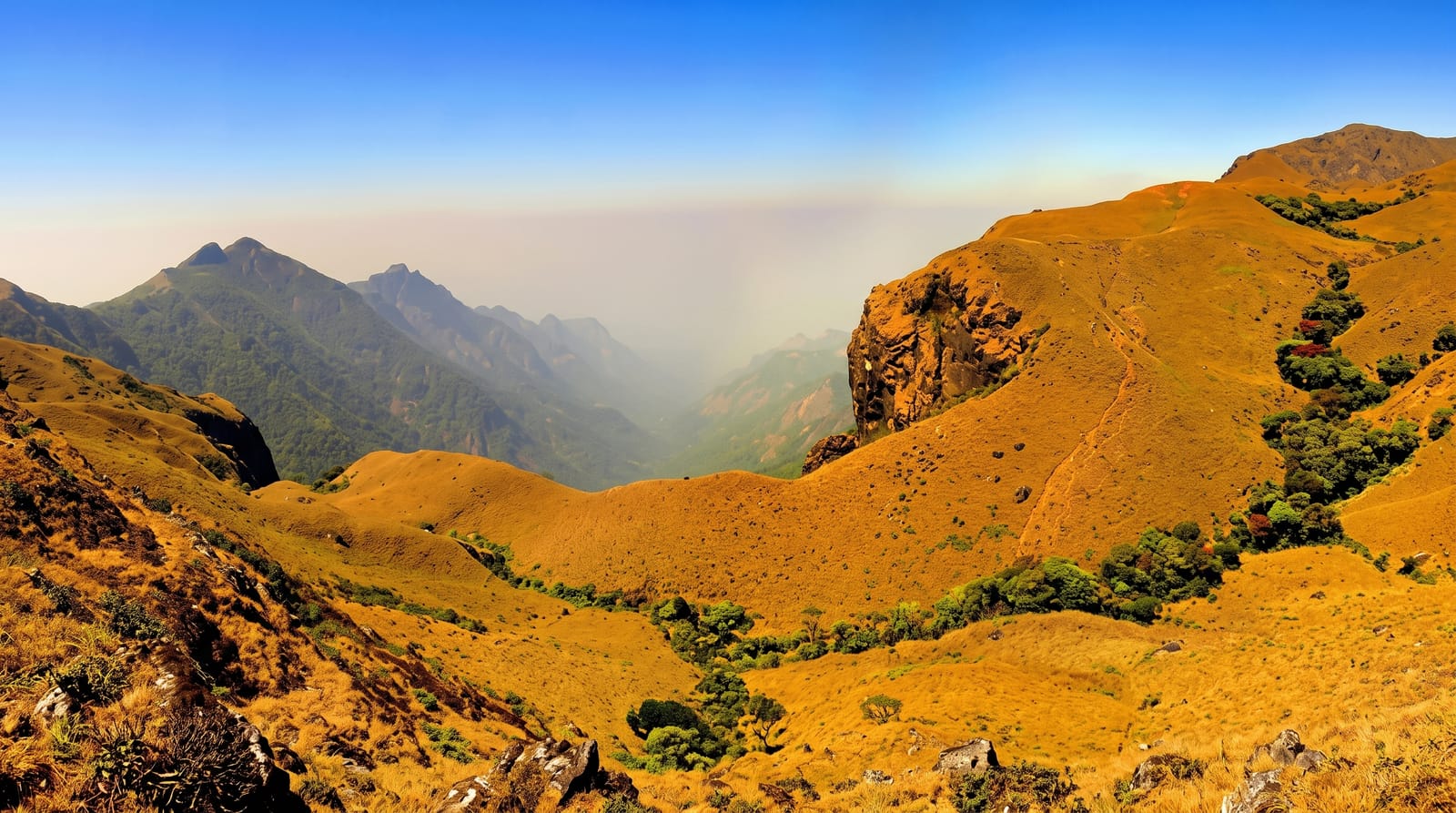
AI illustration
UNESCO World Heritage
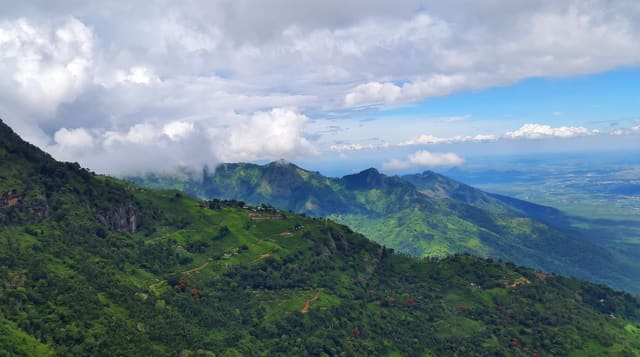
A hydroelectric dam proposed on the Kunthipuzha in the 1970s would have flooded this valley, and the campaign against it, one of the first large environmental movements in India, led to the project being abandoned and the area declared a national park in 1984. What was protected is around ninety square kilometres of tropical evergreen forest that has never been logged or settled, holding lion-tailed macaques, Nilgiri langur, Malabar giant squirrel and a long list of endemics. Access is tightly controlled: visitors go by park jeep with a guide to a watchtower above the river and a short forest walk, and numbers are capped daily.
History
The British are said to have named it Silent Valley for the absence of noisy cicadas, though other stories trace the name to Sairandhri or to the lion-tailed macaque, Macaca silenus. The forest was declared a reserve in 1914 and parts were logged between 1927 and 1976; a dam site on the Kunthipuzha was picked in 1928 and a hydroelectric project proposed in 1958, and from 1973 the "Save Silent Valley" campaign against it became India's fiercest environmental movement of the decade. The national park was formally inaugurated on 7 September 1985 and became the core of the Nilgiri Biosphere Reserve on 1 September 1986 (Wikipedia, Silent Valley National Park).
Highlights
- The undisturbed forest - evergreen canopy never logged or settled.
- The lion-tailed macaque - an endangered Western Ghats endemic living here.
- The watchtower - the viewing point above the Kunthipuzha river.
- The hanging bridge - the crossing over the river on the short walk.
When to go
December to April; the monsoon closes the park and the surrounding roads. Permits are capped daily and issued at Mukkali, so early arrival matters in season.
Things to know
Access is limited to a fixed jeep route and short walk; independent trekking is not permitted. Wildlife sightings are limited and the macaques are rarely seen. Permits sell out on busy days.
Nearby
Mannarkkad lies south; Attappady is east.
Key facts
Source: Wikidata, item Q176792, read on 18 October 2026.
What to pack for Silent Valley National Park
Chosen from what this place is for. Tap a kit for the full checklist.
- Broken-in walking shoes or boots - Grip and ankle support matter more than looks; never hike in brand-new boots. Find on Amazon
- Binoculars - The single best wildlife tool - even a compact pair transforms a sighting. Find on Amazon
- Strong insect repellent - DEET or picaridin; the jungle is where bites and disease risk are highest. Find on Amazon
- Layers + a waterproof shell - Mountain weather turns fast; a packable rain jacket saves the day. Find on Amazon
Some links on this page are Amazon affiliate links - if you buy through them we may earn a small commission at no extra cost to you.
All packing kitsPlan your trip
Where to start if Silent Valley National Park is going on the list.
Booking links on this page are affiliate links - if you book through them we may earn a small commission at no extra cost to you. It never changes what we write about a place.
Opening times, ticket prices and seasonal closures change - check the official source before you go: official site.