Champaner-Pavagadh
A sixteenth-century capital abandoned after fifty years, with mosques that fused Hindu and Islamic building.
Updated 18 October 2026
AI illustration
UNESCO World Heritage
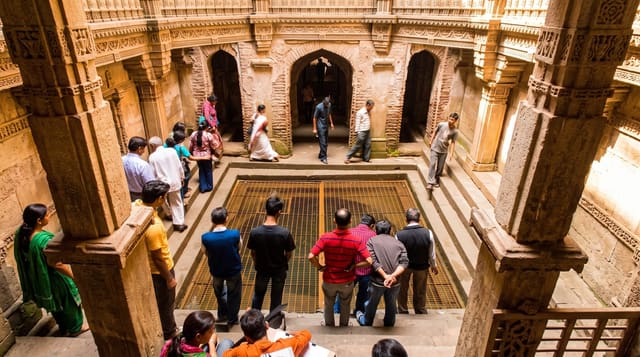
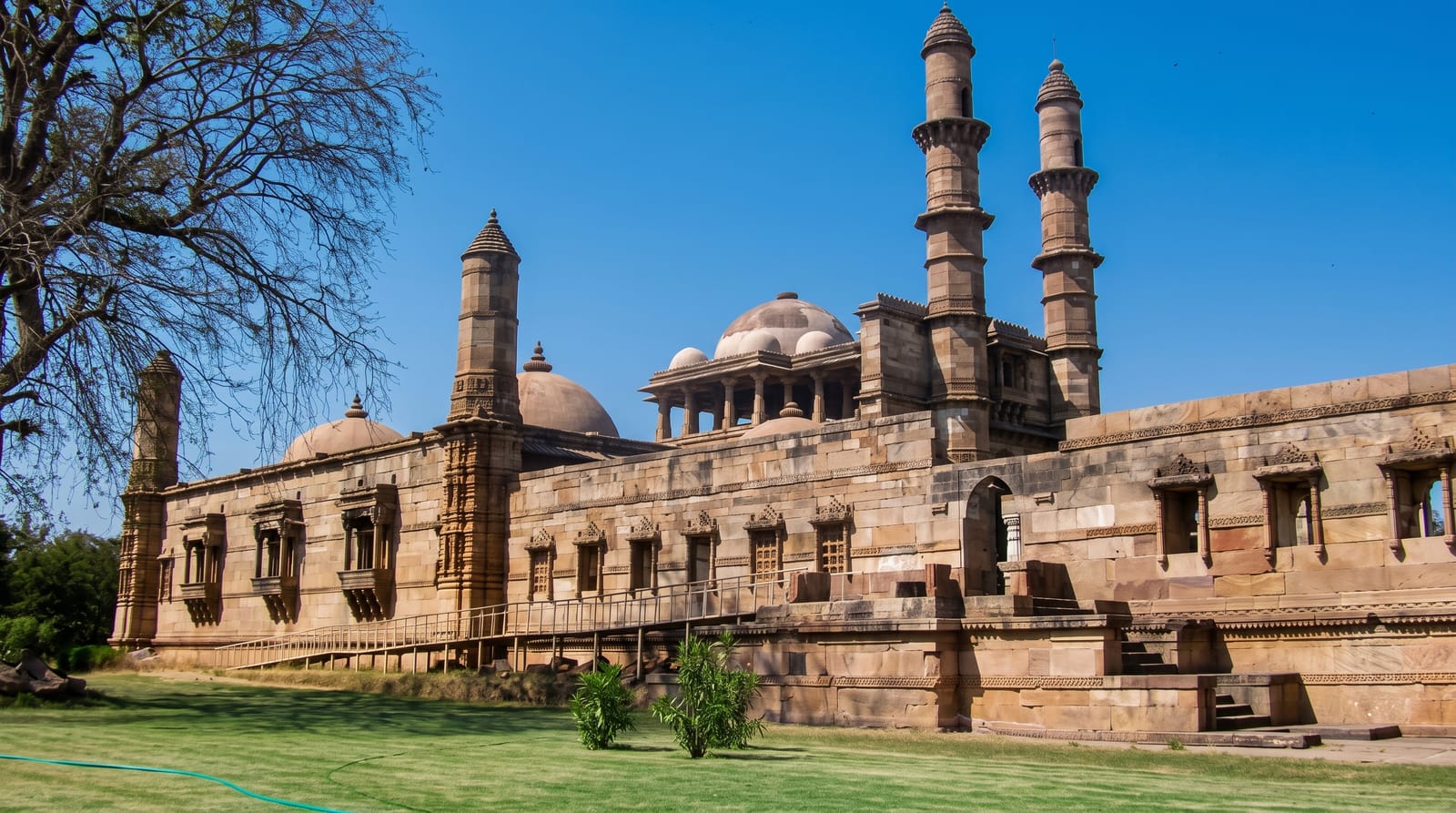
Mahmud Begada took the hill fort of Pavagadh in 1484 and built a new capital, Champaner, at its foot, which functioned for about fifty years before the Mughal conquest and was then abandoned, leaving a whole city plan intact and unbuilt over. That is why it was inscribed by UNESCO in 2004: mosques, palaces, gateways, wells, granaries and water systems from a single short period. The Jami Masjid, with its carved minarets and a hundred and seventy-two pillars, shows how thoroughly Gujarati Hindu and Jain craft traditions were absorbed into Islamic building. The Kalika Mata temple on the hilltop remains an active pilgrimage site reached by ropeway.
History
The area was inhabited in the Chalcolithic period, and Champaner is said to have been founded in the 8th century in the reign of Vanraj Chavda; later the Solanki kings and the Khichi Chauhans built fortresses on Pavagadh hill, which helped them fend off the rulers of Idar and Ahmedabad in 1418 and about 1450. After Mahmud Begada's captain was killed raiding the area in 1482, the Sultan besieged the hill fort for some twenty months and took it on 17 November 1484, renamed the city Muhmudabad-Champaner, fortified it over 23 years and moved his capital here from Ahmedabad; the city became known for mangoes, sandalwood and silks. The Mughal emperor Humayun looted it in 1535, and after Bahadur Shah's death in 1536 the court went back to Ahmedabad and the city fell into rapid decline and was largely abandoned (Wikipedia, Champaner-Pavagadh Archaeological Park).
The main sights
- The Jami Masjid - carved minarets and a pillared hall in a Gujarati idiom.
- The abandoned city - a fifty-year capital left in its original plan.
- The Pavagadh fort - hill fortifications above the city.
- Kalika Mata temple - the active hilltop shrine reached by ropeway.
When to go
October to March; Gujarat summers are severe and the site is spread out. Navratri brings enormous pilgrim numbers to the hill temple. Mornings are quietest at the mosques.
Before you go
Monuments are scattered across a wide area and need a vehicle between them. The hill temple crowds heavily and the ropeway queues for hours on festival days. Interpretation is limited.
Nearby
Vadodara lies southwest; the Statue of Unity is south.
Key facts
Source: Wikidata, item Q844427, read on 18 October 2026.
What to pack for Champaner-Pavagadh
Chosen from what this place is for. Tap a kit for the full checklist.
- Comfortable walking shoes - Sightseeing means kilometres of pavement and cobbles daily. Find on Amazon
- Modest clothing - Shoulders and knees covered - the single most common requirement. Find on Amazon
- A slim anti-theft daypack - Zips that close properly; keep it in front in crowds and on transit. Find on Amazon
- A scarf or shawl - To cover the head or shoulders on entry; women especially at mosques. Find on Amazon
Some links on this page are Amazon affiliate links - if you buy through them we may earn a small commission at no extra cost to you.
All packing kitsPlan your trip
Where to start if Champaner-Pavagadh is going on the list.
Booking links on this page are affiliate links - if you book through them we may earn a small commission at no extra cost to you. It never changes what we write about a place.
Opening times, ticket prices and seasonal closures change - check the official source before you go: official site.