New Amsterdam
A quiet colonial town on the Berbice river, laid out by the Dutch, with wooden buildings and a long river bridge.
Updated 2 September 2026
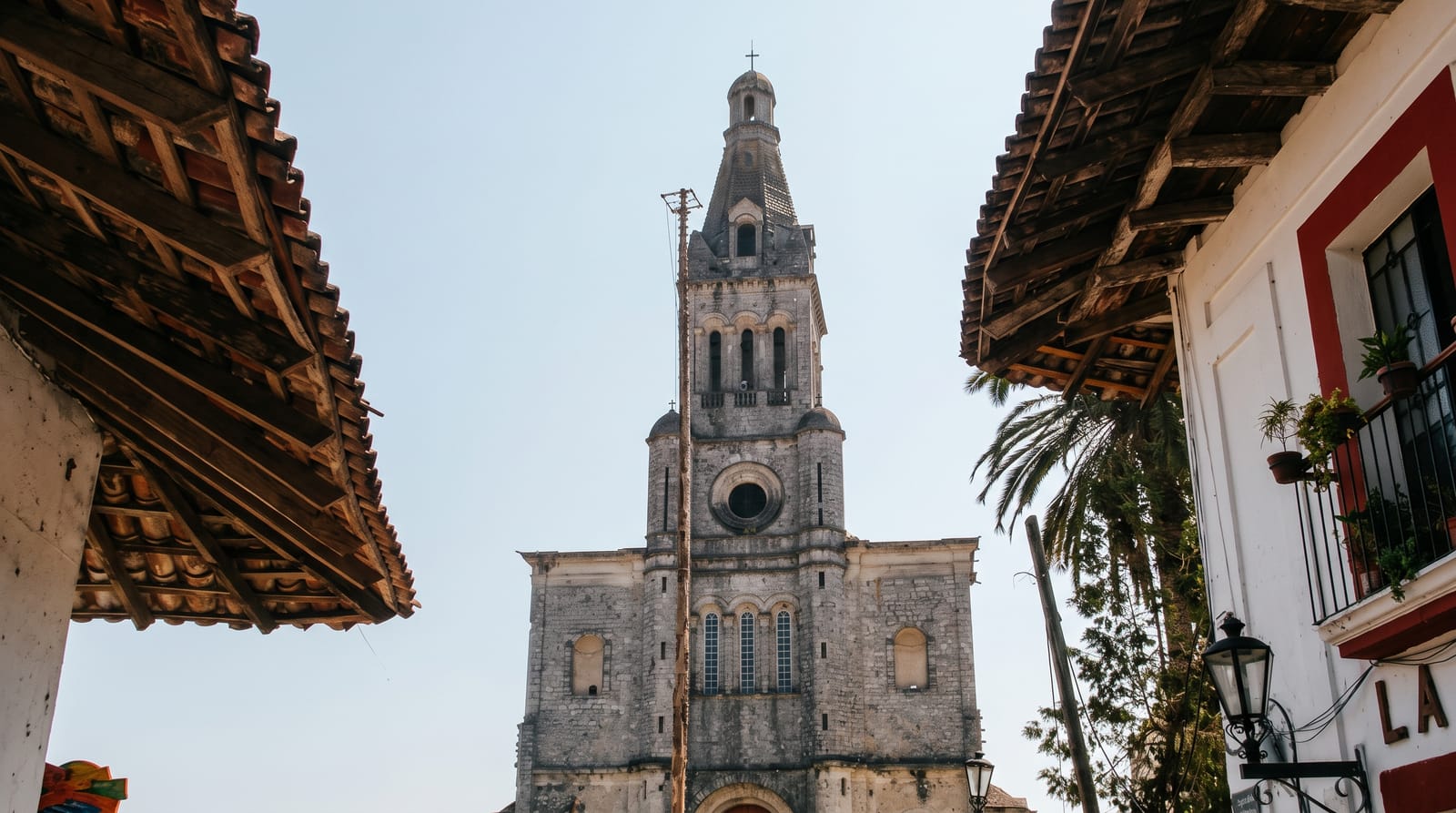
New Amsterdam was laid out by the Dutch in the eighteenth century on the east bank of the Berbice, and the street grid, the canals and some of the older wooden buildings survive from that period and the British era after it. The town is quiet, much quieter than Georgetown, with a market, a mission church and the old hospital among the buildings worth looking at. The Berbice River Bridge, a floating structure opened in 2008, crosses to it.
What to look for
- The wooden architecture - colonial-era timber buildings through the older streets.
- The Dutch grid - the eighteenth-century layout with its canals.
- The Berbice River Bridge - a floating bridge opened in 2008 across the river.
- The market - the town's working produce and goods market.
When to go
September to April is drier and the most comfortable. The bridge opens for river traffic on a schedule and closures cause delays. The wet seasons bring heavy afternoon rain.
Before you go
Many colonial buildings are in poor repair and some have been lost. There is little formal sightseeing and no visitor infrastructure. The bridge toll and its opening times catch out travellers.
Nearby
No. 63 Beach is southeast on the Corentyne coast, and Georgetown is northwest.
Key facts
Source: Wikidata, item Q923811, read on 18 October 2026.
What to pack for New Amsterdam
Chosen from what this place is for. Tap a kit for the full checklist.
- Comfortable walking shoes - Sightseeing means kilometres of pavement and cobbles daily. Find on Amazon
- A slim anti-theft daypack - Zips that close properly; keep it in front in crowds and on transit. Find on Amazon
- A refillable water bottle - Many cities have public fountains; save money and plastic. Find on Amazon
- A light layer + compact umbrella - For museum air-con and a sudden shower. Find on Amazon
Some links on this page are Amazon affiliate links - if you buy through them we may earn a small commission at no extra cost to you.
All packing kitsPlan your trip
Where to start if New Amsterdam is going on the list.
Booking links on this page are affiliate links - if you book through them we may earn a small commission at no extra cost to you. It never changes what we write about a place.
Opening times, ticket prices and seasonal closures change - check the official source before you go: official site.