Lille Old Town
A Flemish quarter of red brick and sandstone gables, host to a flea market of two million people each September.
Updated 4 September 2026
AI illustration
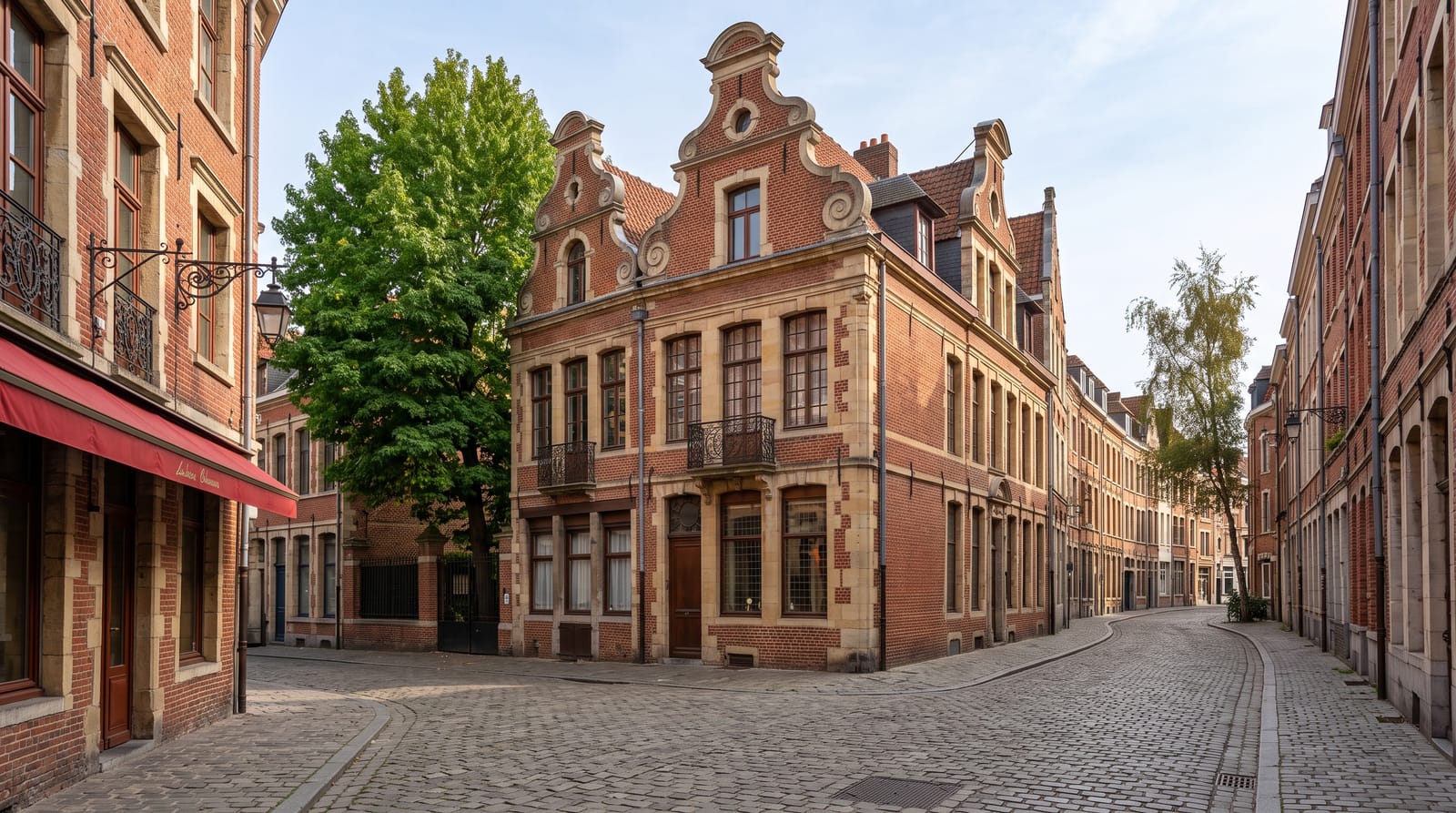
Lille was Flemish, then Spanish, then French from 1667, and Vieux Lille shows it: seventeenth-century houses in red brick with sandstone banding and scrolled gables, tighter and more northern than anything in central France, around the Grand'Place and the Old Stock Exchange, a merchant building of 1653 whose courtyard now holds secondhand book stalls and chess players. The Braderie de Lille each September is the largest flea market in Europe, with sellers spreading along the streets over a weekend and around two million people attending; restaurants serve mussels and pile the empty shells outside their doors, competing on the height of the heap.
The main sights
- The Old Stock Exchange - a 1653 courtyard of book stalls and chess games.
- The Flemish gables - brick and sandstone facades around the Grand'Place.
- The Braderie - Europe's largest flea market over a September weekend.
- The mussel shell heaps - restaurants piling shells outside during the Braderie.
When to go
April to October; the Braderie falls on the first weekend of September and dominates the city entirely. The Christmas market runs in December. Term time keeps the student quarters lively.
Before you go
Braderie weekend fills every hotel for months ahead and the city becomes impassable. Vieux Lille is expensive. Lille's weather is genuinely wet and grey for much of the year.
Nearby
Roubaix lies northeast; Belgium is a few kilometres north.
What to pack for Lille Old Town
Chosen from what this place is for. Tap a kit for the full checklist.
- Comfortable walking shoes - Sightseeing means kilometres of pavement and cobbles daily. Find on Amazon
- A slim anti-theft daypack - Zips that close properly; keep it in front in crowds and on transit. Find on Amazon
- A refillable water bottle - Many cities have public fountains; save money and plastic. Find on Amazon
- A light layer + compact umbrella - For museum air-con and a sudden shower. Find on Amazon
Some links on this page are Amazon affiliate links - if you buy through them we may earn a small commission at no extra cost to you.
All packing kitsPlan your trip
Where to start if Lille Old Town is going on the list.
Booking links on this page are affiliate links - if you book through them we may earn a small commission at no extra cost to you. It never changes what we write about a place.
Opening times, ticket prices and seasonal closures change - check the official source before you go: official site.