Le Touquet-Paris-Plage
A resort invented in a pine forest and given a name to sell it to Parisians, then to the British.
Updated 19 October 2026

AI illustration
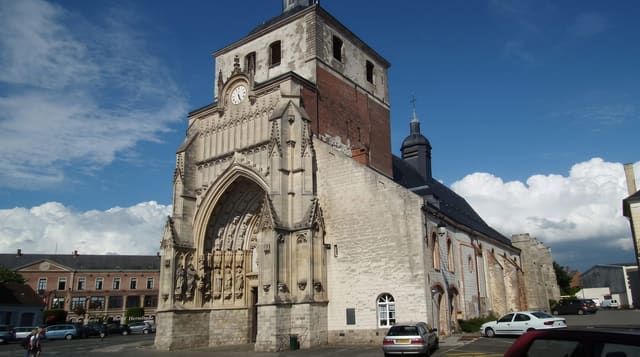
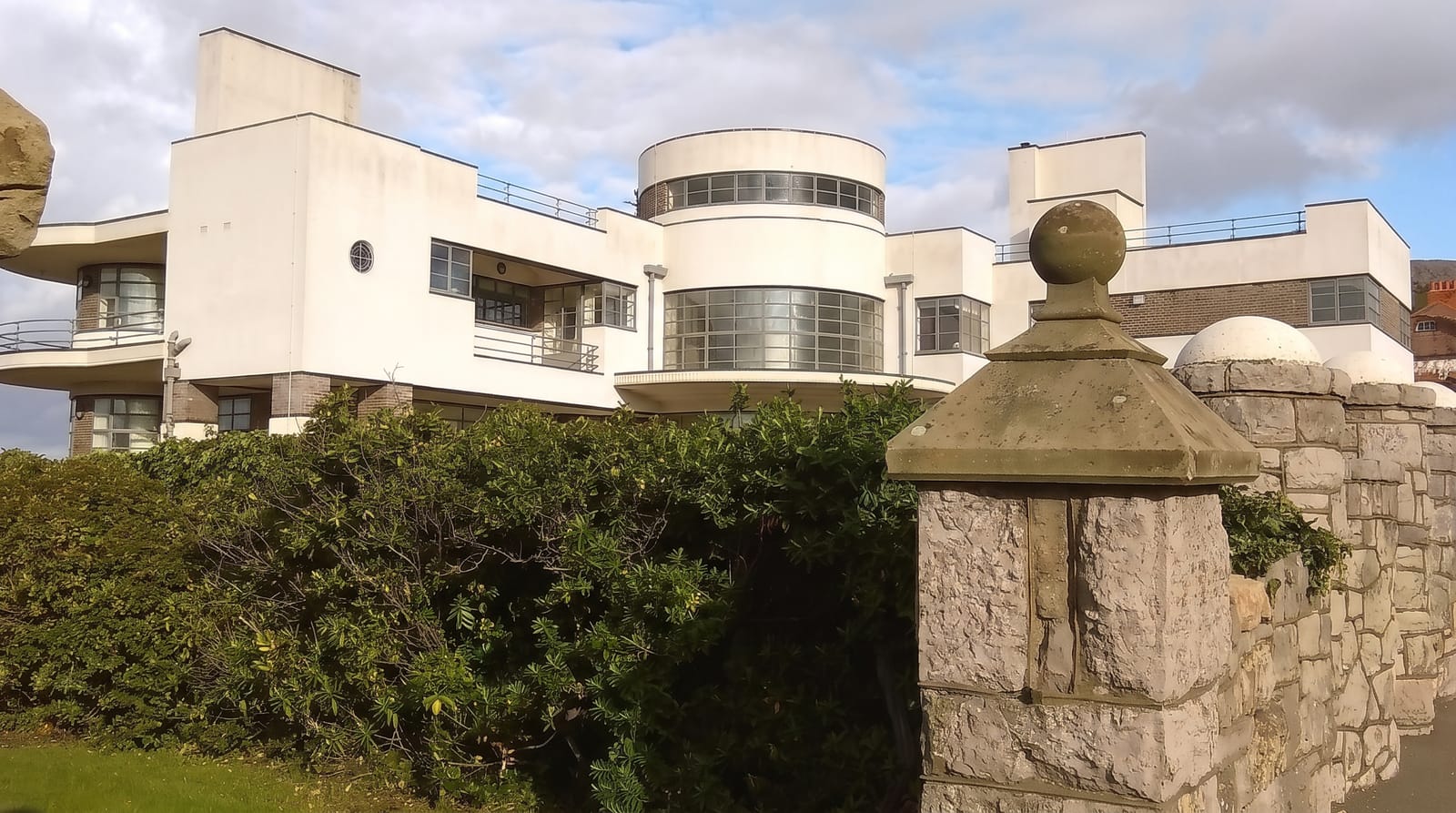
The dunes here were planted with pines from the 1850s, and a developer laid out a resort in the forest from the 1880s, adding Paris-Plage to the name explicitly to market it to the capital. British investment followed and the town became fashionable between the wars, which is why the villas are a mix of Anglo-Norman half-timber and Art Deco, several hundred of them scattered among the pines rather than lined along a front. The beach is very wide at low tide and used for sand yachting. A lighthouse rebuilt in 1951 replaced the one destroyed in the war, and the covered market runs several days a week.
History
The name Touquet, probably from an Old French word for a corner or cape, appears on maps by the mid-18th century. The Paris notary Alphonse Daloz and his partners bought land on the cape and, failing to farm its warrens, he planted a forest and built a manor, and in April 1882, on the advice of the late editor of Le Figaro, Hippolyte de Villemessant, who had called the beach "more beautiful than that of Trouville", he founded the resort of Paris-Plage. The English entrepreneur John Robinson Whitley and his partner Allen Stoneham bought most of the estate at auction in 1902, and English investment brought luxury hotels, golf and other sports for the British upper class; the resort peaked in the 1920s, when its casino was the most lucrative in France, and many buildings of the 1920s and 1930s survive (Wikipedia, Le Touquet).
What to look for
- The forest villas - Anglo-Norman and Art Deco houses among the pines.
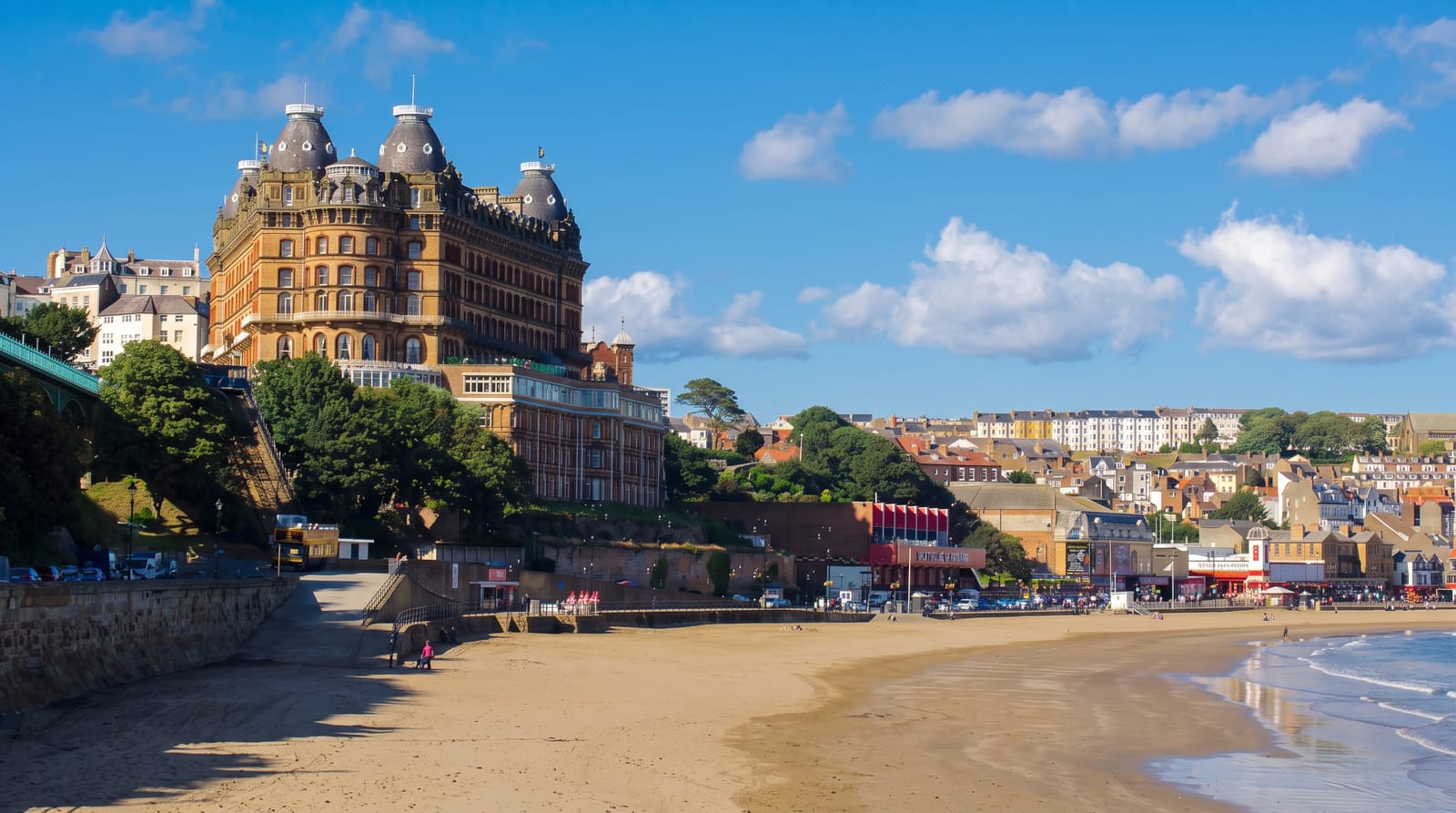
- The wide beach - sand exposed far out at low tide, used for sand yachting.
- The lighthouse - the 1951 tower, climbed for coastal views.
- The covered market - the town's market hall on market days.
When to go
May to September for the beach; the town is quiet out of season with many businesses closed. Sand yachting runs year-round when wind allows. Weekends bring Lille and Paris traffic.
What to expect
The Channel is cold and the wind constant; this is not a swimming resort for most. Prices are high. Much of the town closes outside the season.
Nearby
Montreuil-sur-Mer lies inland; Boulogne is north.
Key facts
Source: Wikidata, item Q323164, read on 18 October 2026.
What to pack for Le Touquet-Paris-Plage
Chosen from what this place is for. Tap a kit for the full checklist.
- Reef-safe sunscreen - High SPF that will not bleach the coral you are swimming over. Find on Amazon
- Loose, light, long clothing - Covering up beats bare skin in the desert - and locals dress this way for a reason. Find on Amazon
- Comfortable walking shoes - Sightseeing means kilometres of pavement and cobbles daily. Find on Amazon
- Quick-dry towel - A microfibre towel packs small and dries in minutes. Find on Amazon
Some links on this page are Amazon affiliate links - if you buy through them we may earn a small commission at no extra cost to you.
All packing kitsPlan your trip
Where to start if Le Touquet-Paris-Plage is going on the list.
Booking links on this page are affiliate links - if you book through them we may earn a small commission at no extra cost to you. It never changes what we write about a place.
Opening times, ticket prices and seasonal closures change - check the official source before you go: official site.