La Brenne
A regional park of some three thousand man-made ponds, dug by monks for fish and now full of birds.
Updated 4 September 2026

AI illustration
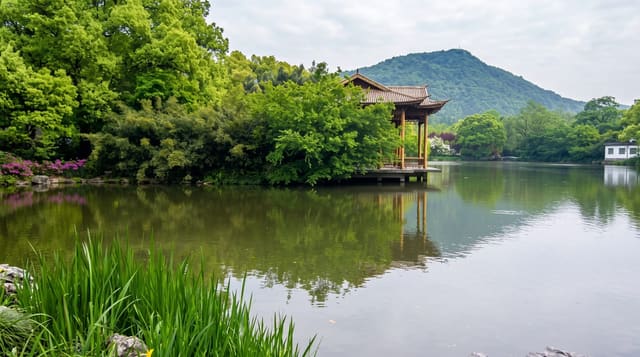
The Brenne is called the land of a thousand ponds and actually holds around three thousand, almost none of them natural: monasteries began digging them from the Middle Ages to farm carp on land too poor for crops, and the practice continued, leaving a mosaic of shallow water, reedbed, heath and woodland across a regional park of about a hundred and eighty thousand hectares. The result is one of the most important wetlands in inland France, with whiskered terns, purple herons, bitterns and grebes breeding, and the European pond turtle, a rare native, present in numbers. Hides and observation towers are set at several ponds, and the Maison du Parc explains the fish-farming cycle.
The landscape
- The pond mosaic - some three thousand shallow ponds dug for carp farming.
- The breeding birds - terns, herons, bitterns and grebes in the reedbeds.
- The pond turtle - a rare European native basking on logs.
- The hides - observation points and towers at the main ponds.
When to go
April to June for breeding birds and the best sound; September and October for passage migrants. Ponds are drained in rotation for the carp harvest in autumn, which concentrates waders.
Practical notes
Most ponds are private fish farms and not accessible; birdwatching is from designated hides. A car and binoculars are essential. The landscape is flat and can look monotonous without patience.
Nearby
Le Blanc holds the park centre; Chateauroux lies northeast.
Key facts
Source: Wikidata, item Q93346968, read on 18 October 2026.
What to pack for La Brenne
Chosen from what this place is for. Tap a kit for the full checklist.
- Broken-in walking shoes or boots - Grip and ankle support matter more than looks; never hike in brand-new boots. Find on Amazon
- Binoculars - The single best wildlife tool - even a compact pair transforms a sighting. Find on Amazon
- Modest clothing - Shoulders and knees covered - the single most common requirement. Find on Amazon
- Layers + a waterproof shell - Mountain weather turns fast; a packable rain jacket saves the day. Find on Amazon
Some links on this page are Amazon affiliate links - if you buy through them we may earn a small commission at no extra cost to you.
All packing kitsPlan your trip
Where to start if La Brenne is going on the list.
Booking links on this page are affiliate links - if you book through them we may earn a small commission at no extra cost to you. It never changes what we write about a place.
Opening times, ticket prices and seasonal closures change - check the official source before you go: official site.