Familistere de Guise
A palace built for factory workers in 1859, with glazed courtyards, a theatre, schools and a swimming pool.
Updated 4 September 2026
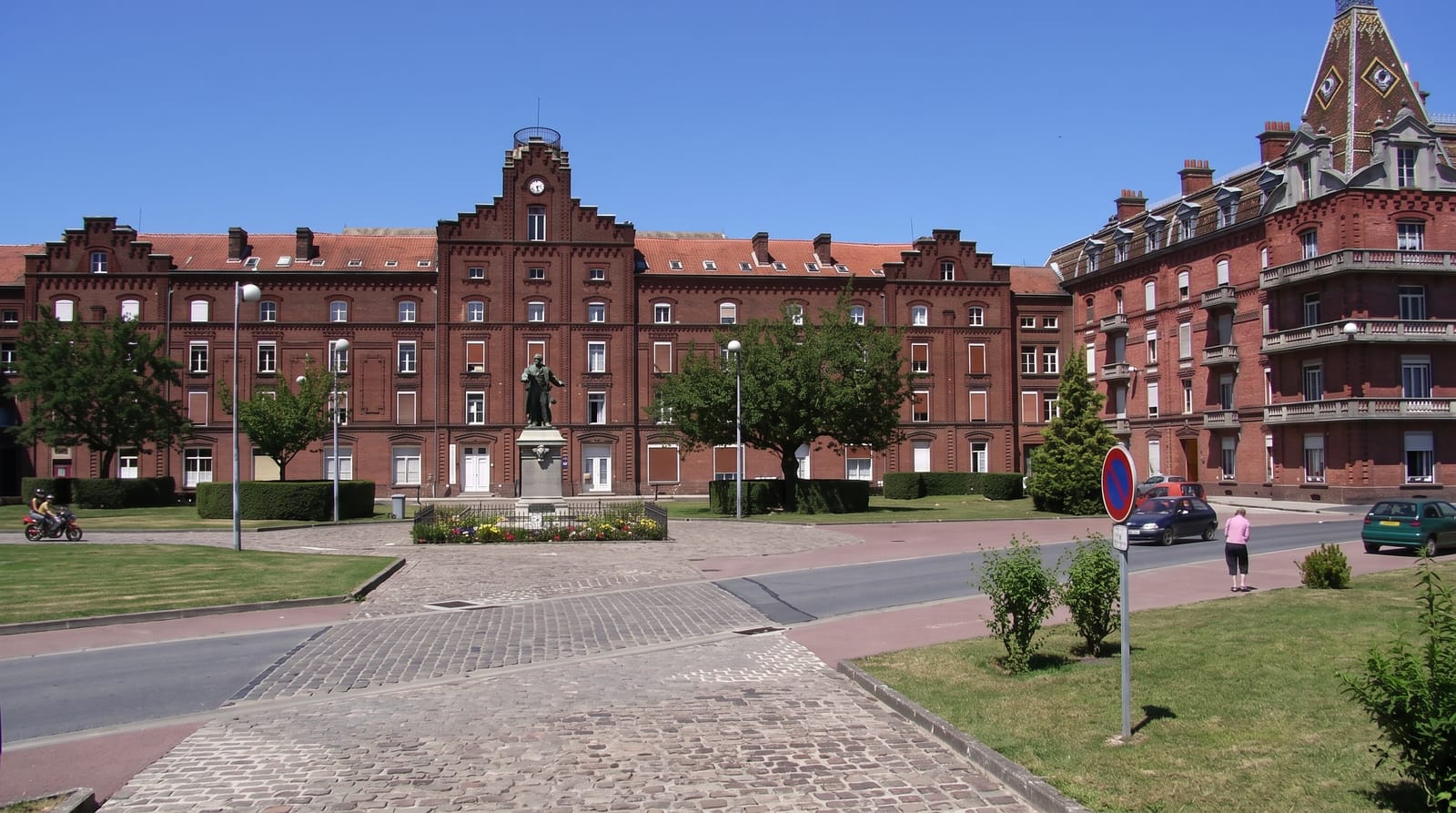
AI illustration
Jean-Baptiste Godin made a fortune from cast-iron stoves and, having read Fourier, spent it on housing his workers properly: from 1859 he built the Familistere, three large residential blocks around glass-roofed central courtyards, holding around eighteen hundred people, with running water, ventilation, waste chutes, schools, a theatre, shops, a laundry and a swimming pool with an adjustable floor for teaching children. He called it the social palace and argued that equivalents of wealth mattered more than wealth itself. In 1880 he converted the business into a cooperative owned by the workers, which ran until 1968. It is now a museum with parts still lived in.
What to look for
- The glazed courtyards - covered central halls the flats open onto.
- The theatre and schools - the collective facilities Godin built in.
- The swimming pool - with a floor that could be raised for children.
- The apartments - restored flats showing how families lived.
When to go
April to October; the museum closes on some weekdays in low season. Part of the complex remains residential, so visiting is confined to the museum route.
What to expect
Parts are still lived in and not accessible. Guise is remote from the main routes and needs a car. The site is unusual rather than beautiful, and its interest is largely social history.
Nearby
Saint-Quentin lies southwest; Laon is southwest beyond it.
Key facts
Source: Wikidata, item Q1395337, read on 18 October 2026.
What to pack for Familistere de Guise
Chosen from what this place is for. Tap a kit for the full checklist.
- Reef-safe sunscreen - High SPF that will not bleach the coral you are swimming over. Find on Amazon
- Comfortable walking shoes - Sightseeing means kilometres of pavement and cobbles daily. Find on Amazon
- Quick-dry towel - A microfibre towel packs small and dries in minutes. Find on Amazon
- A slim anti-theft daypack - Zips that close properly; keep it in front in crowds and on transit. Find on Amazon
Some links on this page are Amazon affiliate links - if you buy through them we may earn a small commission at no extra cost to you.
All packing kitsPlan your trip
Where to start if Familistere de Guise is going on the list.
Booking links on this page are affiliate links - if you book through them we may earn a small commission at no extra cost to you. It never changes what we write about a place.
Opening times, ticket prices and seasonal closures change - check the official source before you go: official site.