Tallinn Song Festival Grounds
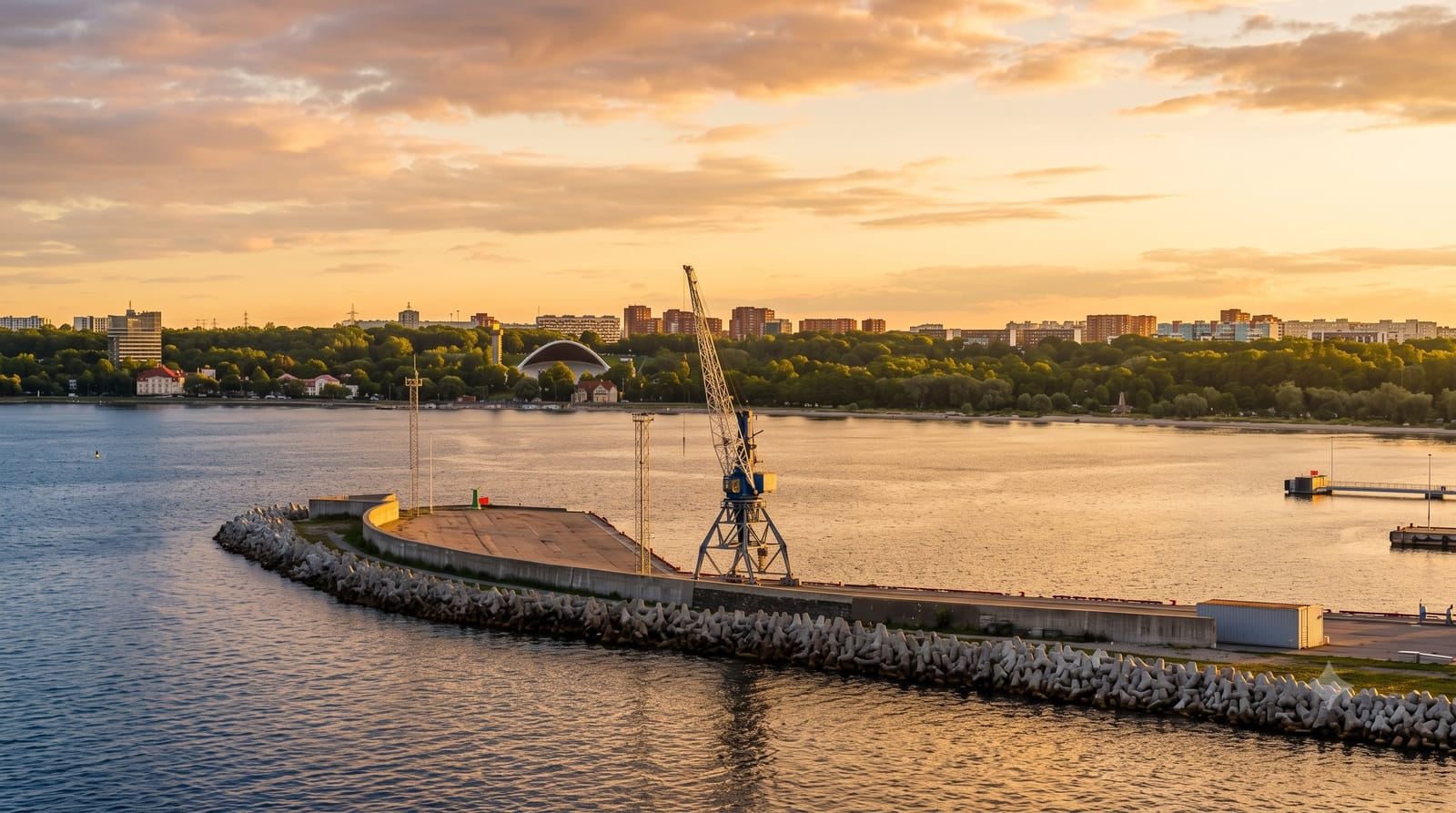
The shell-shaped stage where a hundred thousand people sang the country out of occupation - empty most of the year, and worth standing in anyway.
Updated 1 September 2026
Illustration
UNESCO Intangible Cultural Heritage
The Estonian song festival tradition began in 1869 and the grounds themselves were built for it in 1960 - a concrete arch open to the sea, designed so that a choir of tens of thousands can stand under it and be heard across the field. In 1988, during what became known as the Singing Revolution, several hundred thousand people gathered here to sing songs that had been effectively banned, and the site has carried that meaning ever since.
What you actually see
- The field - a very large sloping grass bowl, strange and slightly overwhelming when empty.
- The shell - the curved concrete stage the field faces.
- The torch tower - climbable in season for a view over the field and the bay.
- The information boards - the history of Laulupidu, the song festival held every five years, with a dance festival alongside it.
When to go
In festival years the event itself falls in early July, and tickets and accommodation go very early. At any other time the grounds are open, free and usually near-empty. International acts use the site for large concerts through the summer.
Honest expectations
Outside the festival there is not much to see in the conventional sense. This is a place you visit for what happened here, and if that history means nothing to you it will read as a big empty field with a bandshell.
The grounds are exposed to the sea wind, which matters more than the temperature suggests.
Nearby
Kadriorg and KUMU are ten minutes back towards the centre. Pirita beach, the yacht harbour and the ruins of the convent are just up the coast.
What to pack for Tallinn Song Festival Grounds
Chosen from what this place is for. Tap a kit for the full checklist.
Plan your trip
Where to start if Tallinn Song Festival Grounds is going on the list.
Booking links on this page are affiliate links - if you book through them we may earn a small commission at no extra cost to you. It never changes what we write about a place.
Opening times, ticket prices and seasonal closures change - check the official source before you go: official site.