Kihnu
A small island in the Gulf of Riga where the old culture is still worn daily - striped skirts, sidecar motorbikes, and a UNESCO listing for the whole way of life.
Updated 1 September 2026
Illustration
UNESCO Intangible Cultural Heritage
Kihnu is sixteen square kilometres with a few hundred permanent residents, and it is on the UNESCO list of intangible cultural heritage - not for a building, but for the way the community has kept its language, music, handicraft and dress alive. Historically the men were at sea for months, so the culture was carried by the women, and it still largely is.
What you actually see
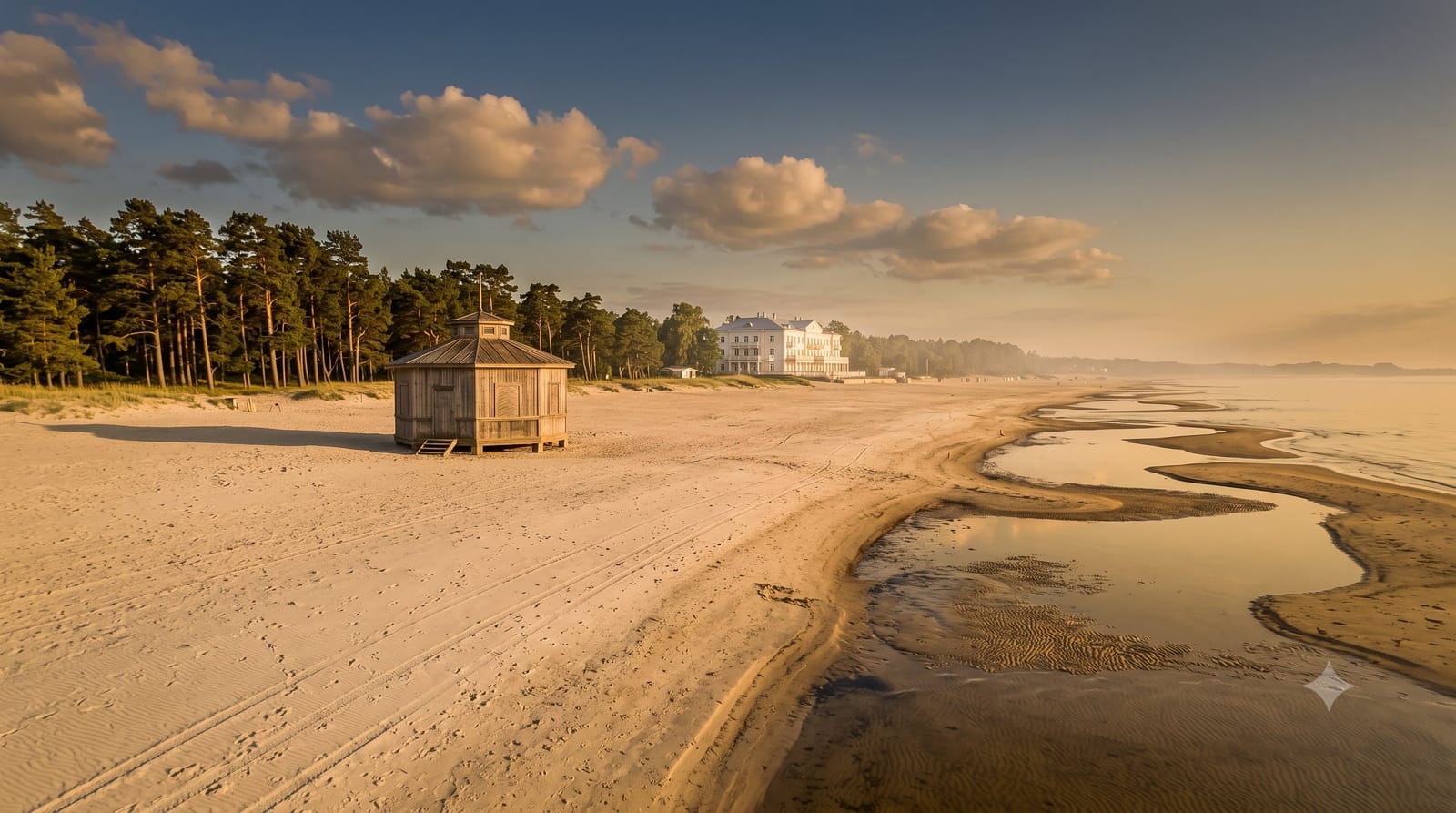
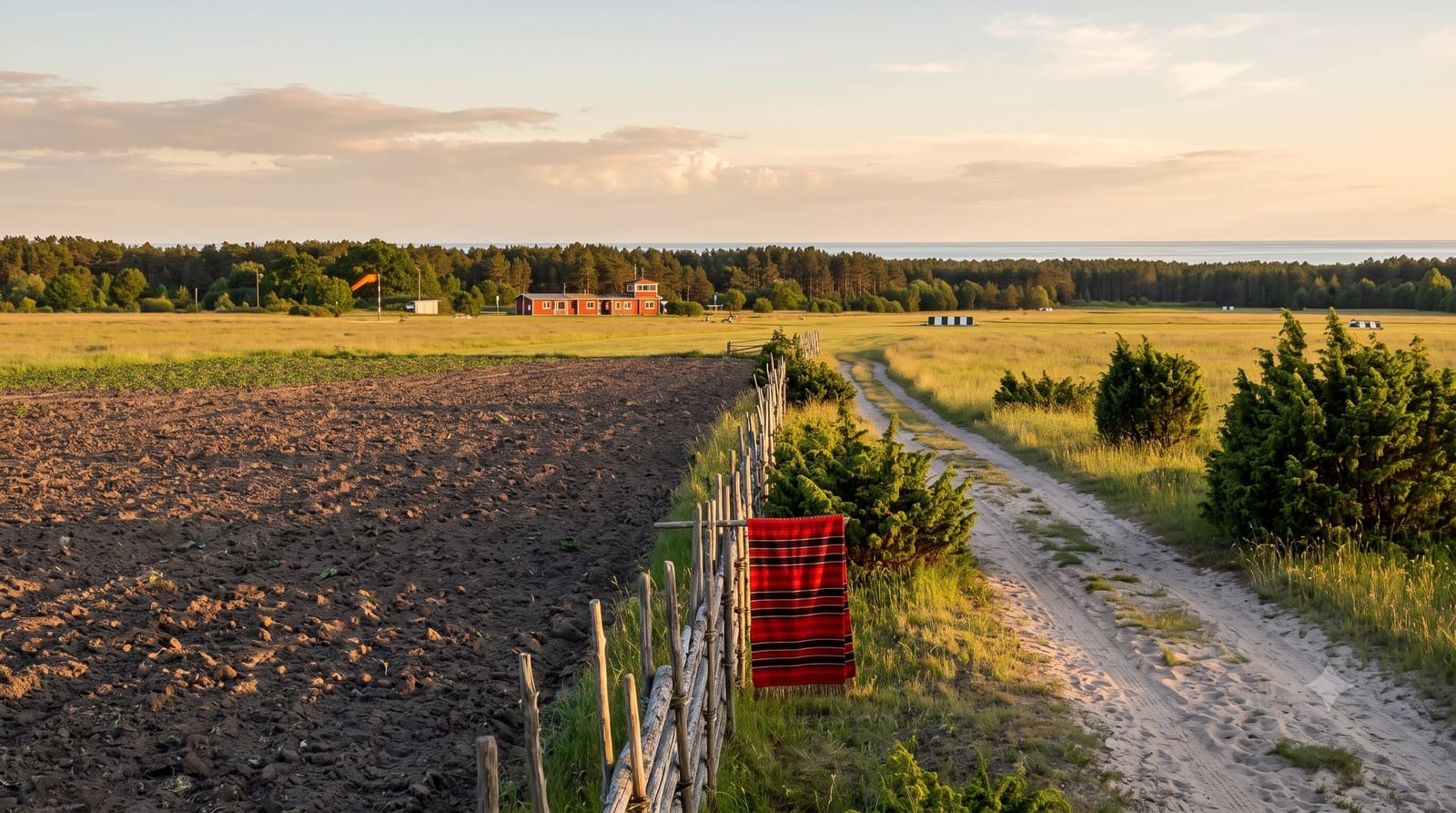
- Four villages - low wooden houses along sandy tracks, with pine forest and juniper between them.
- The kört skirt - worn by older women as ordinary clothing rather than costume, alongside the sidecar motorbike that is the standard island vehicle.
- The schoolhouse museum - textiles, instruments and photographs, with the small Orthodox church at Linaküla nearby.
- The lighthouse - a cast-iron tower at the southern tip, shipped in from England in the 1860s.
When to go
June to August has the full ferry schedule, the warmest water and most of the events. Midsummer and the August festivals are when the singing and dancing are not staged for visitors. In winter the sea freezes and an ice road sometimes opens; otherwise access is by small plane.
Honest expectations
This is a working community, not an open-air exhibit. Photographing people without asking goes down badly, and the island has had to push back against day-trippers treating residents as scenery.
Facilities are limited. There are a few guesthouses and small eating places, but nothing runs on tourist hours, and the ferry timetable dictates the shape of any day trip.
Nearby
Manija island is a short hop away and quieter still. Pärnu and its beach are about an hour and a half back on the mainland side.
What to pack for Kihnu
Chosen from what this place is for. Tap a kit for the full checklist.
Plan your trip
Where to start if Kihnu is going on the list.
Booking links on this page are affiliate links - if you book through them we may earn a small commission at no extra cost to you. It never changes what we write about a place.
Opening times, ticket prices and seasonal closures change - check the official source before you go: official site.