The Dahlak Archipelago
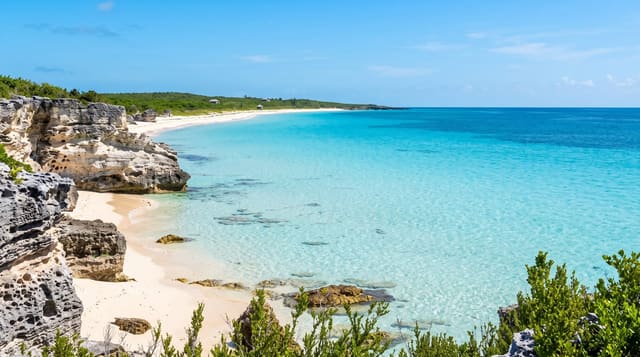
Islands of the untouched Red Sea - the Dahlak Archipelago, a scattering of well over a hundred remote coral islands off Eritrea's coast, ringed by pristine reefs, turquoise lagoons and abundant marine life in some of the least-visited seas on earth.
Updated 19 October 2026

AI illustration
The Dahlak Archipelago, scattered across the Red Sea off the Eritrean port of Massawa, is a remote and pristine cluster of well over a hundred low coral and sand islands, only a handful of them inhabited by small fishing communities. Ringed by dazzling coral reefs, turquoise lagoons and warm, exceptionally clear waters, these islands are one of the least-visited and most unspoiled marine environments in the world. Beneath the surface teem colourful reef fish, turtles, dolphins, rays and sharks, while the islands hold ancient cisterns and traces of a long history of pearl diving and Red Sea trade. For the adventurous, Dahlak offers deserted beaches and superb diving in near-total tranquillity.
History
The islands may be the "Alalaiou" of the Periplus of the Erythraean Sea, a source of tortoiseshell near Adulis, and their people were among the first in the Horn of Africa to adopt Islam, as tombstones in Kufic script record. Muslims took the islands after 702, and the Umayyad caliphs used them as a place of exile, sending among others the poet al-Ahwas al-Ansari there for satirical verses. From around 1140 to 1249 Dahlak was ruled by its own line of sultans, and in the 13th century writers describe its king as an Abyssinian Muslim independent of Yemen, with ties to the Mamluks and the Rasulids. The Ottomans conquered the islands in 1517 and placed them under the pasha of Suakin, the Portuguese destroyed Dahlak in 1541, and the Ottomans returned sixteen years later, making it part of the province of Habesh. In the second half of the 19th century the islands passed for a time to the Khedivate of Egypt, remaining a backwater, and in 1889 the Italians set up a vice-residency on the island of Nokra (Wikipedia, Dahlak Archipelago).
Highlights
- The coral islands - the scattering of remote sand and coral isles.
- The reefs - the pristine coral and abundant marine life.
- The turquoise lagoons - the clear, warm shallow waters.
- The fishing villages - the small inhabited islands and pearl heritage.
When to go
November to March, the cooler months, offer the most comfortable conditions for boat trips and diving, avoiding the extreme summer heat; the Red Sea here is warm and clear year-round but best enjoyed outside high summer. Diving and snorkelling are the main way to experience the reefs.
Before you go
The Dahlak islands are remote and reached only by boat from Massawa, often on multi-day trips with very basic facilities, so they suit adventurous travellers and divers rather than those seeking resort comforts. As one of the least-visited and most pristine coral archipelagos on earth, with deserted beaches and superb diving, though, Dahlak is a genuine and unspoiled treasure.
Nearby
The historic port of Massawa is the gateway to the archipelago.
Key facts
Source: Wikidata, item Q639648, read on 18 October 2026.
What to pack for The Dahlak Archipelago
Chosen from what this place is for. Tap a kit for the full checklist.
- Travel rod + reel - A packable multi-piece rod fits in a case and covers most holiday fishing. Find on Amazon
- Reef-safe sunscreen - High SPF that will not bleach the coral you are swimming over. Find on Amazon
- Your own mask + snorkel - A well-fitting mask is the single biggest comfort upgrade underwater. Find on Amazon
- Binoculars - The single best wildlife tool - even a compact pair transforms a sighting. Find on Amazon
Some links on this page are Amazon affiliate links - if you buy through them we may earn a small commission at no extra cost to you.
All packing kitsPlan your trip
Where to start if The Dahlak Archipelago is going on the list.
Booking links on this page are affiliate links - if you book through them we may earn a small commission at no extra cost to you. It never changes what we write about a place.
Opening times, ticket prices and seasonal closures change - check the official source before you go: official site.