Sangay National Park
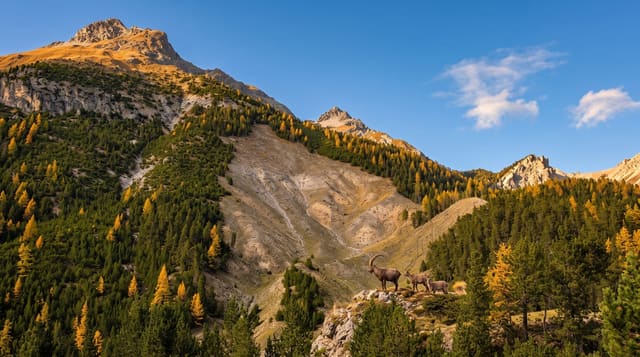
A World Heritage park spanning three volcanoes and dropping from glacier to Amazon rainforest.
Updated 31 August 2026
UNESCO World Heritage
Sangay covers around five thousand square kilometres on the eastern cordillera and takes in three volcanoes, Sangay itself, Tungurahua and El Altar, with the land falling from ice at over 5,000 metres through paramo and cloud forest to Amazon lowland below 1,000, and that gradient is why it was inscribed as World Heritage in 1983. Sangay is one of the most continuously active volcanoes on earth, erupting almost without pause for decades, and it is remote and rarely climbed. The park holds mountain tapir, spectacled bear, giant otter and a long bird list. Most visitors see only its edges: the Altar trek and the paramo lakes from the west, or the forest and rivers from Macas in the east.
Highlights
- Three volcanoes in one park - Sangay, Tungurahua and El Altar.
- Ice to rainforest - the full eastern-slope gradient.
- A continuously erupting volcano - Sangay's decades of activity.
- Mountain tapir and spectacled bear - the large mammals of the slope.
When to go
June to September for the highland side; the eastern forest is wet year round. A day for edges, several for anything deeper. Sangay itself needs an expedition and is dangerous.
Before you go
Most of the park is roadless and effectively unvisitable. Climbing Sangay means ballistic risk from constant eruption and is not a normal objective. Trails are muddy and unmarked. Rain is the default.
Nearby
Riobamba and Penipe are west; Macas lies east.
Key facts
Source: Wikidata, item Q839603, read on 18 October 2026.
What to pack for Sangay National Park
Chosen from what this place is for. Tap a kit for the full checklist.
- Broken-in walking shoes or boots - Grip and ankle support matter more than looks; never hike in brand-new boots. Find on Amazon
- Binoculars - The single best wildlife tool - even a compact pair transforms a sighting. Find on Amazon
- Warm base layers - Merino or synthetic against the skin - never cotton, which chills when damp. Find on Amazon
- Strong insect repellent - DEET or picaridin; the jungle is where bites and disease risk are highest. Find on Amazon
Some links on this page are Amazon affiliate links - if you buy through them we may earn a small commission at no extra cost to you.
All packing kitsPlan your trip
Where to start if Sangay National Park is going on the list.
Booking links on this page are affiliate links - if you book through them we may earn a small commission at no extra cost to you. It never changes what we write about a place.
Opening times, ticket prices and seasonal closures change - check the official source before you go: official site.