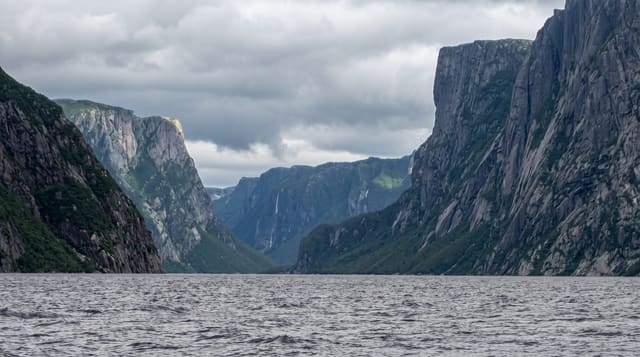
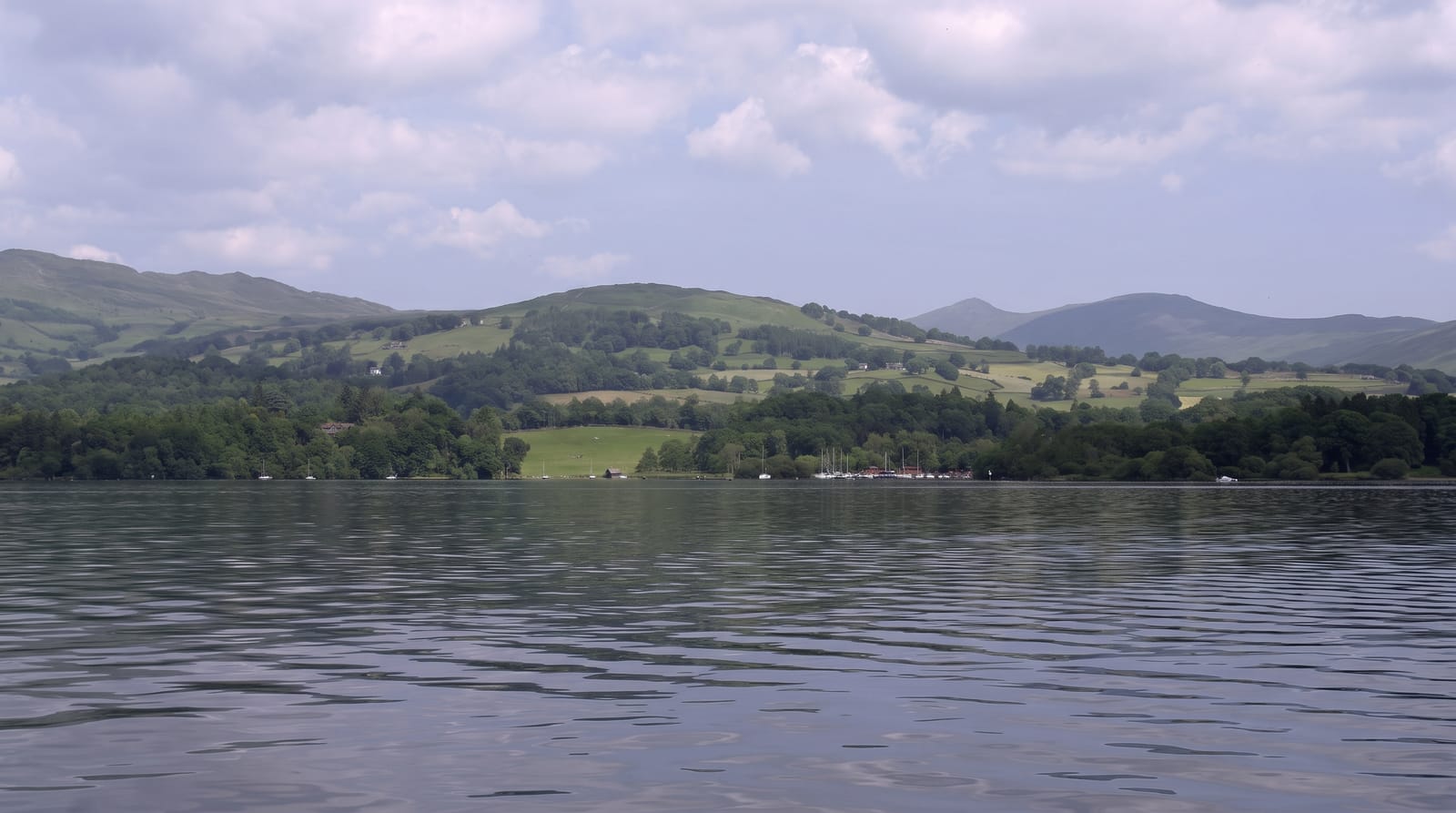
Lake Mai-Ndombe
A shallow lake in the western basin whose black water gave it its name, surrounded by forest and fishing villages.
Updated 1 September 2026
Mai-Ndombe means black water in Lingala, and the lake is exactly that: shallow, tannin-dark and very large, expanding and contracting substantially between the wet and dry seasons. Inongo on the eastern shore is the main town. The surrounding forest is part of one of the largest carbon and conservation concessions in the world, and the area holds bonobo and forest elephant. Fishing and cassava are the economy, and traffic moves by water because the roads barely exist.
What's there
- The black water - dark tannin-stained lake, from which the name comes.
- The seasonal extent - the lake expanding and shrinking substantially through the year.
- The fishing villages - pirogue communities around the shore, with drying racks and smokehouses.
- The forest - lowland rainforest running back from the lake in every direction.
When to go
The drier windows, December to February and June to August, are the practical times. The lake is at its largest towards the end of the rains. Boats work year-round but conditions on open water vary.
What to expect
Access is by air to Inongo or by a long river journey; there is no practical road. Facilities are minimal and arrangements are made locally. This is a place for people with a specific reason to go rather than a destination.
Nearby
Inongo is the lake's main town, and Lake Tumba lies northwest.
Key facts
Source: Wikidata, item Q683100, read on 18 October 2026.
What to pack for Lake Mai-Ndombe
Chosen from what this place is for. Tap a kit for the full checklist.
- Travel rod + reel - A packable multi-piece rod fits in a case and covers most holiday fishing. Find on Amazon
- Reef-safe sunscreen - High SPF that will not bleach the coral you are swimming over. Find on Amazon
- Strong insect repellent - DEET or picaridin; the jungle is where bites and disease risk are highest. Find on Amazon
- A small tackle selection - Hooks, weights, line and a few lures or flies suited to local waters. Find on Amazon
Some links on this page are Amazon affiliate links - if you buy through them we may earn a small commission at no extra cost to you.
All packing kitsPlan your trip
Where to start if Lake Mai-Ndombe is going on the list.
Booking links on this page are affiliate links - if you book through them we may earn a small commission at no extra cost to you. It never changes what we write about a place.
Opening times, ticket prices and seasonal closures change - check the official source before you go: official site.