Puerto Plata's Victorian Town
Streets of gingerbread houses in sherbet colours built on the tobacco boom, restored around a central square with an art deco cathedral.
Updated 3 September 2026
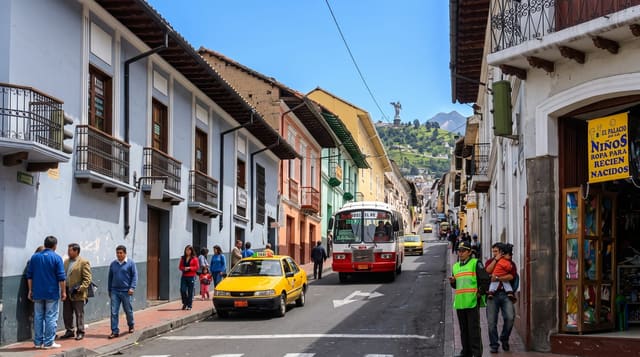
Puerto Plata got rich on tobacco exports in the second half of the nineteenth century, and the merchants built themselves timber houses in the Caribbean Victorian manner: two storeys, deep verandas, fretwork trim under the eaves, painted in pale greens, pinks and blues. Several hundred survive, and the streets around Parque Independencia have been steadily restored over the past two decades into one of the more attractive small-town centres in the country. The square has a bandstand at its middle and the cathedral of San Felipe on one side, an unusual art deco building of the 1950s. The amber museum occupies one of the grandest of the merchant houses.
What's there
- The gingerbread houses - Victorian timber with fretwork and verandas.
- Parque Independencia - the central square and its bandstand.
- The amber museum - in a restored merchant mansion.
- The art deco cathedral - an unexpected 1950s building on the square.
When to go
November to April is drier and cooler. Cruise ship days fill the centre for a few hours and empty again. Evenings on the square are pleasant and the light on the painted timber is best late in the day.
Things to know
Restoration is patchy: some streets are immaculate and others a block away are run down, and the town has poor stretches around the edges. Cruise crowds arrive in bursts with an accompanying wave of touts. There is not much here beyond the square and a few streets, so half a day covers it.
Nearby
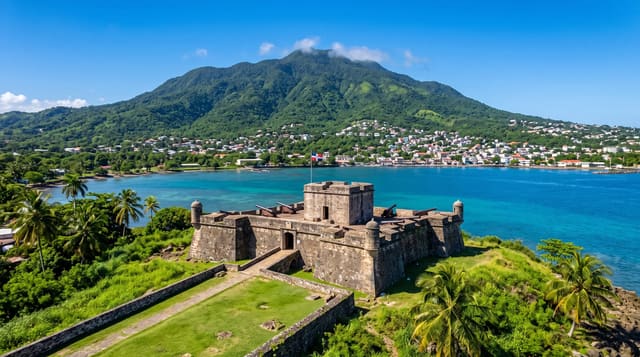
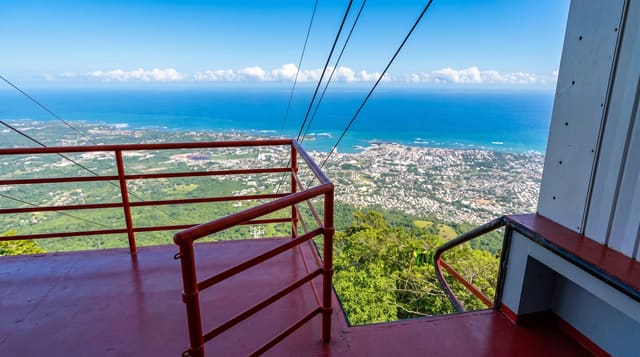
Fortaleza San Felipe is at the end of the malecón; the cable car is ten minutes.
What to pack for Puerto Plata's Victorian Town
Chosen from what this place is for. Tap a kit for the full checklist.
- Comfortable walking shoes - Sightseeing means kilometres of pavement and cobbles daily. Find on Amazon
- Modest clothing - Shoulders and knees covered - the single most common requirement. Find on Amazon
- A slim anti-theft daypack - Zips that close properly; keep it in front in crowds and on transit. Find on Amazon
- A scarf or shawl - To cover the head or shoulders on entry; women especially at mosques. Find on Amazon
Some links on this page are Amazon affiliate links - if you buy through them we may earn a small commission at no extra cost to you.
All packing kitsPlan your trip
Where to start if Puerto Plata's Victorian Town is going on the list.
Booking links on this page are affiliate links - if you book through them we may earn a small commission at no extra cost to you. It never changes what we write about a place.
Opening times, ticket prices and seasonal closures change - check the official source before you go: official site.