Wadden Sea
A vast tidal flat on Denmark's west coast, part of a UNESCO nature reserve - mudflats, seals and the swirling starling clouds of the black sun.
Updated 1 September 2026

AI illustration
UNESCO World Heritage
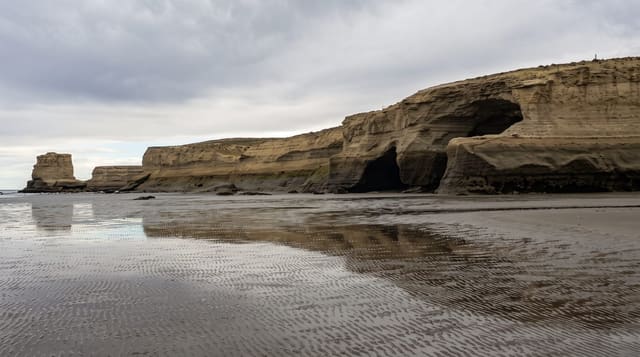
The Danish Wadden Sea is the northern reach of a vast UNESCO tidal wetland shared with Germany and the Netherlands, where each tide bares immense mudflats teeming with life. It is a haven for seals and millions of migrating birds, and twice a year it stages the sort sol, the black sun, when huge murmurations of starlings swirl at dusk.
What you'll find
- The black sun - the vast dusk murmurations of starlings in spring and autumn.
- Mudflat walking - guided walks out onto the exposed tidal flats.
- Seals - the harbour and grey seals on the sandbanks.
- Bird migration - the millions of birds that stop on the flats.
When to go
Spring and autumn for the black-sun starling murmurations and bird migration; guided mudflat walks run in the warmer months. Tides govern everything, so check times.
Good to know
It is a flat, subtle landscape whose wonders are wildlife and tides rather than dramatic scenery, so a guide or some knowledge helps. Mudflat walking must be guided, since the tides are dangerous. The black sun is seasonal and weather-dependent.
Nearby
The old town of Ribe, the oldest in Denmark, is close; the Wadden Sea islands lie offshore.
What to pack for Wadden Sea
Chosen from what this place is for. Tap a kit for the full checklist.
- Broken-in walking shoes or boots - Grip and ankle support matter more than looks; never hike in brand-new boots. Find on Amazon
- Binoculars - The single best wildlife tool - even a compact pair transforms a sighting. Find on Amazon
- Layers + a waterproof shell - Mountain weather turns fast; a packable rain jacket saves the day. Find on Amazon
- A zoom camera or long lens - Animals rarely come close; reach beats megapixels. Find on Amazon
Some links on this page are Amazon affiliate links - if you buy through them we may earn a small commission at no extra cost to you.
All packing kitsPlan your trip
Where to start if Wadden Sea is going on the list.
Booking links on this page are affiliate links - if you book through them we may earn a small commission at no extra cost to you. It never changes what we write about a place.
Opening times, ticket prices and seasonal closures change - check the official source before you go: official site.