Litomerice
A wine and cathedral town where one house has a roof shaped like a chalice, built by a Hussite merchant.
Updated 19 October 2026
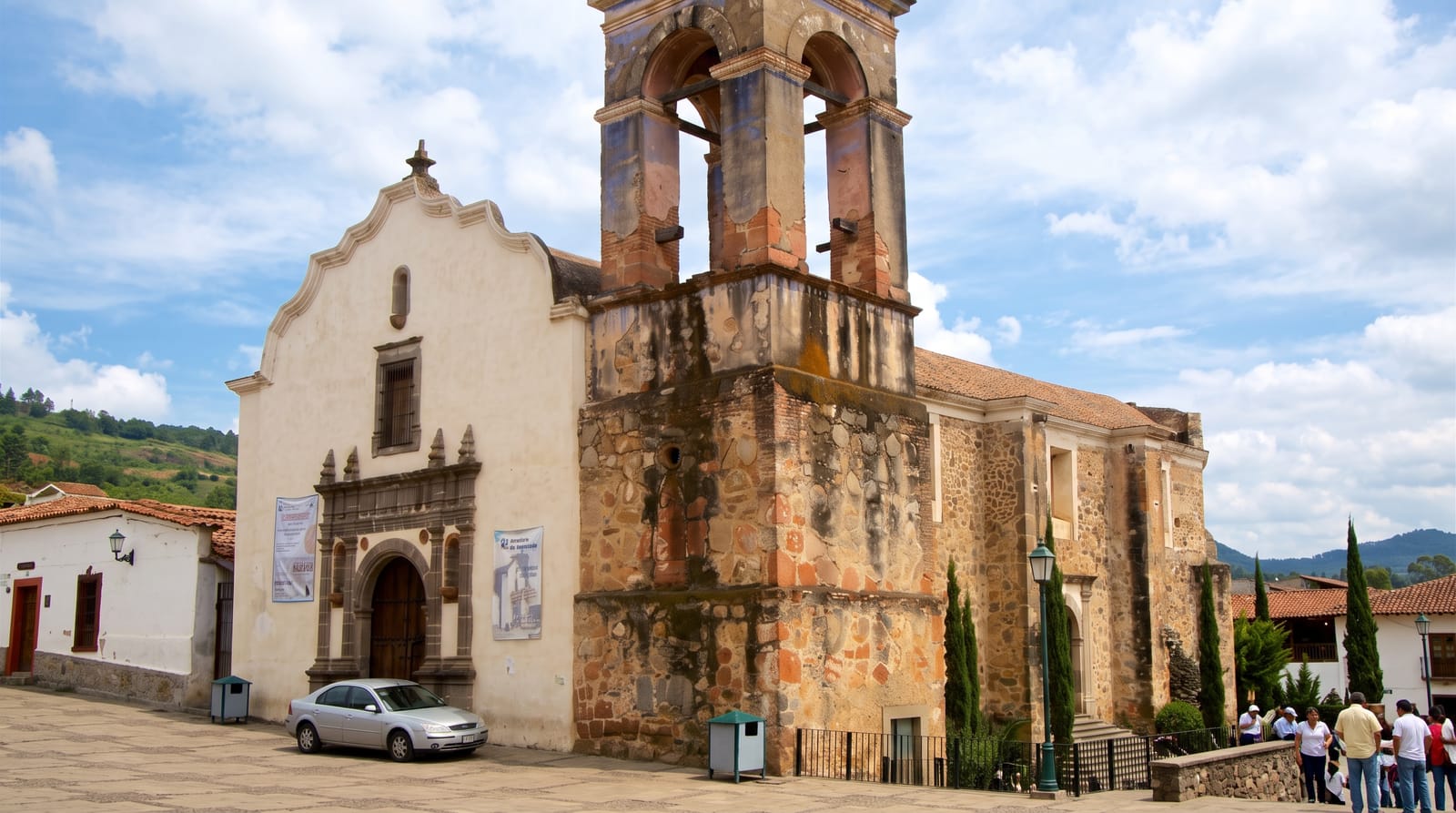
Litomerice sits where the Ohre joins the Elbe below the volcanic hills, in the warmest and driest corner of Bohemia, which is why it has been a wine and fruit town since the Middle Ages and why the annual Garden of Bohemia horticultural fair is held here. The market square is one of the largest in the country and carries the house known as Kalich, the Chalice: built in the 1560s for a merchant who had the top storey shaped as an enormous wooden chalice, the Hussite symbol, and it is still there, now the town hall. Cathedral hill above holds the baroque cathedral of St Stephen and the bishop's palace. Under the town runs a system of medieval cellars, several hundred metres of which are walked. Karel Hynek Macha, the Romantic poet, died here in 1836 and is remembered in a museum and a monument.
History
The settlement was first called Ľutoměrice, from the personal name Ľutomír. The area has traces of Paleolithic cultures and large Celtic settlements of the La Tène culture, Germanic tribes followed, and the place appears on Ptolemy's map in the 2nd century as Nomisterium; the earliest evidence of Slavic settlement dates from the 8th century. In the 9th and 10th centuries the Přemyslids built an early medieval fortress here, one of their most important centres, among the tribe of the Litoměřici who gave the town its name, and the founding of the Litoměřice Chapter by Duke Spytihněv II in 1057 is the oldest written evidence of the town. King Ottokar I granted royal-town status in 1219, and the town reached the height of its prosperity under Charles IV, who gave it large tracts of productive land. It suffered in the Hussite Wars and again after joining the revolt of 1547 against Ferdinand I; after the Battle of White Mountain it was made Catholic, and in 1655 it became the residence of a Catholic bishop. Many Baroque buildings, now cultural monuments, went up in the 18th century, though the War of the Austrian Succession and the Seven Years' War hurt the town's prosperity (Wikipedia, Litoměřice).
What you'll find
- The Chalice house - a top storey built as a giant wooden chalice in the 1560s.
- One of the largest squares - the market place with its Renaissance frontages.
- Cathedral hill - the baroque cathedral and bishop's palace above the town.
- Medieval cellars - several hundred metres walked beneath the streets.
When to go
April to October; September for the horticultural fair. A day.
Practical notes
The cellar route is guided, cool and low. The cathedral keeps limited hours. The fair fills the town in September. Wine here is light and priced above its international equivalents.
Nearby
Porta Bohemica is downstream; Ploskovice and Hazmburk are close.
Key facts
Source: Wikidata, item Q384403, read on 18 October 2026.
What to pack for Litomerice
Chosen from what this place is for. Tap a kit for the full checklist.
- Comfortable walking shoes - Sightseeing means kilometres of pavement and cobbles daily. Find on Amazon
- Modest clothing - Shoulders and knees covered - the single most common requirement. Find on Amazon
- A slim anti-theft daypack - Zips that close properly; keep it in front in crowds and on transit. Find on Amazon
- A scarf or shawl - To cover the head or shoulders on entry; women especially at mosques. Find on Amazon
Some links on this page are Amazon affiliate links - if you buy through them we may earn a small commission at no extra cost to you.
All packing kitsPlan your trip
Where to start if Litomerice is going on the list.
Booking links on this page are affiliate links - if you book through them we may earn a small commission at no extra cost to you. It never changes what we write about a place.
Opening times, ticket prices and seasonal closures change - check the official source before you go: official site.