Bribirska Glavica
A hill called the Croatian Troy, occupied continuously from prehistory and seat of the Subic princes.
Updated 30 August 2026
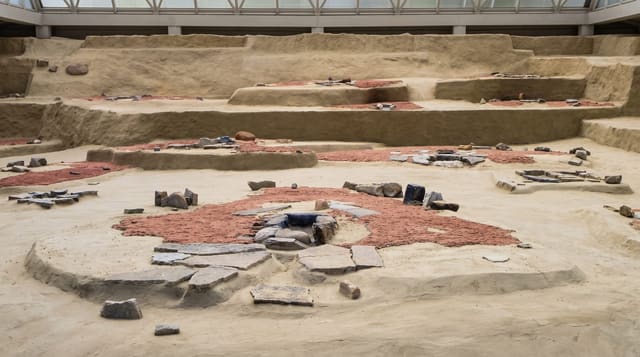
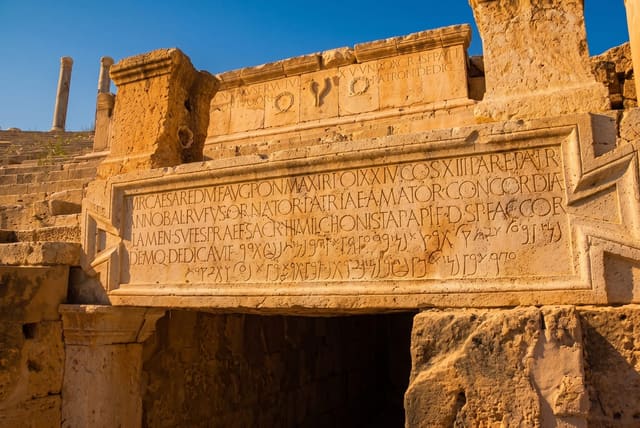
Bribirska Glavica is a flat-topped hill of about seven hectares that has been lived on more or less continuously since the Bronze Age - Illyrian Varvaria, then a Roman municipium, then the seat of the Subic family, the most powerful Croatian noble house of the thirteenth and fourteenth centuries, whose Pavao Subic ruled effectively as an independent prince over much of the Croatian lands. The layering of periods on one site earned it the nickname the Croatian Troy from nineteenth century archaeologists. Excavation has exposed walls, a Franciscan church and monastery, houses and a section of Roman street. Ottoman conquest ended the occupation.
What's there
- Continuous occupation from the Bronze Age - Illyrian, Roman and medieval layers.
- The Subic seat - the family that dominated medieval Croatia.
- Nicknamed the Croatian Troy - for the depth of its layers.
- Walls, church and streets exposed - across a seven hectare plateau.
When to go
April to October. Two to three hours.
What to expect
What is visible is foundations and low walls - the significance is archaeological rather than visual. Interpretation on site is thin. There is no shade and no facilities. Access is by a country road.
Nearby
Skradin and Krka are west; Asseria is north-west.
What to pack for Bribirska Glavica
Chosen from what this place is for. Tap a kit for the full checklist.
- Comfortable walking shoes - Sightseeing means kilometres of pavement and cobbles daily. Find on Amazon
- Modest clothing - Shoulders and knees covered - the single most common requirement. Find on Amazon
- A slim anti-theft daypack - Zips that close properly; keep it in front in crowds and on transit. Find on Amazon
- A scarf or shawl - To cover the head or shoulders on entry; women especially at mosques. Find on Amazon
Some links on this page are Amazon affiliate links - if you buy through them we may earn a small commission at no extra cost to you.
All packing kitsPlan your trip
Where to start if Bribirska Glavica is going on the list.
Booking links on this page are affiliate links - if you book through them we may earn a small commission at no extra cost to you. It never changes what we write about a place.
Opening times, ticket prices and seasonal closures change - check the official source before you go: official site.