Museo del Oro
The country's collection of pre-Hispanic goldwork, tens of thousands of pieces arranged by the societies that made them.
Updated 19 October 2026
The Banco de la Republica began buying pre-Hispanic metalwork in the 1930s, and the result is tens of thousands of gold, tumbaga and ceramic objects laid out over three floors by region and by what the pieces were actually for. The single famous object is the Muisca raft, a small cast model of a chief and his oarsmen on a reed raft, found in a cave south of the city. What the museum argues throughout is that this material was never treasure in the European sense: it was made for ritual, status and offering, and most of it was deliberately deposited in lakes, caves and graves rather than hoarded.
History
In 1934 the Bank of the Republic began working to protect Colombia's archaeological heritage, and the Poporo Quimbaya was the first object of its collection. Its best-known piece, the Muisca raft found at Pasca in 1969, shows the ceremony in which a new zipa took power with a great offering to the gods, standing at the centre of a raft among chiefs adorned with gold and feathers - the basis of the El Dorado myth. After a decade of work the museum reopened, expanded and renovated, in October 2008, with its permanent exhibition in five rooms of archaeological objects and an interactive room, and it has other branches in Calima, Quimbaya, Santa Marta and Cartagena (Wikipedia, Gold Museum, Bogotá).
What's there
- The Muisca raft - the cast gold model of a chief on a reed raft, in its own room.
- The offering room - a darkened chamber staging the way metal was deposited.
- Poporos and lime flasks - finely cast containers used with coca leaf.
- The regional halls - goldwork grouped by the societies that produced it, floor by floor.
When to go
Closed on Mondays. Entry is free on Sundays and the museum is correspondingly packed, so a weekday morning is far more comfortable if you want to read anything. Two to three hours suits most people. Labelling is bilingual and thorough, so the audio guide is optional. School groups arrive mid-morning on weekdays in term time.
What to expect
It is dense, and by the third floor of cases of small gold objects most visitors are saturated and stop reading. Lighting is deliberately low, which is right for the metal and difficult for the labels. Free Sundays are crowded to the point of shuffling past cases. The Muisca raft is considerably smaller than photographs suggest. Excellent, but not a quick stop.
Nearby
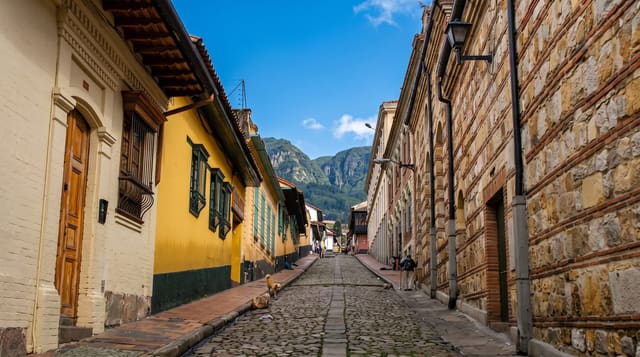
La Candelaria's streets and the Botero collection are a short walk away.
Key facts
Source: Wikidata, item Q1109031, read on 18 October 2026.
What to pack for Museo del Oro
Chosen from what this place is for. Tap a kit for the full checklist.
- Head torch + spare batteries - Hands-free light is essential; caves are truly dark. Find on Amazon
- Comfortable walking shoes - Sightseeing means kilometres of pavement and cobbles daily. Find on Amazon
- Grippy closed shoes - Cave floors are wet, muddy and slick with formations. Find on Amazon
- A slim anti-theft daypack - Zips that close properly; keep it in front in crowds and on transit. Find on Amazon
Some links on this page are Amazon affiliate links - if you buy through them we may earn a small commission at no extra cost to you.
All packing kitsPlan your trip
Where to start if Museo del Oro is going on the list.
Booking links on this page are affiliate links - if you book through them we may earn a small commission at no extra cost to you. It never changes what we write about a place.
Opening times, ticket prices and seasonal closures change - check the official source before you go: official site.