Ming Tombs
Thirteen Ming emperors buried in a valley north of Beijing, approached along a Sacred Way lined with stone animals.
Updated 14 October 2026
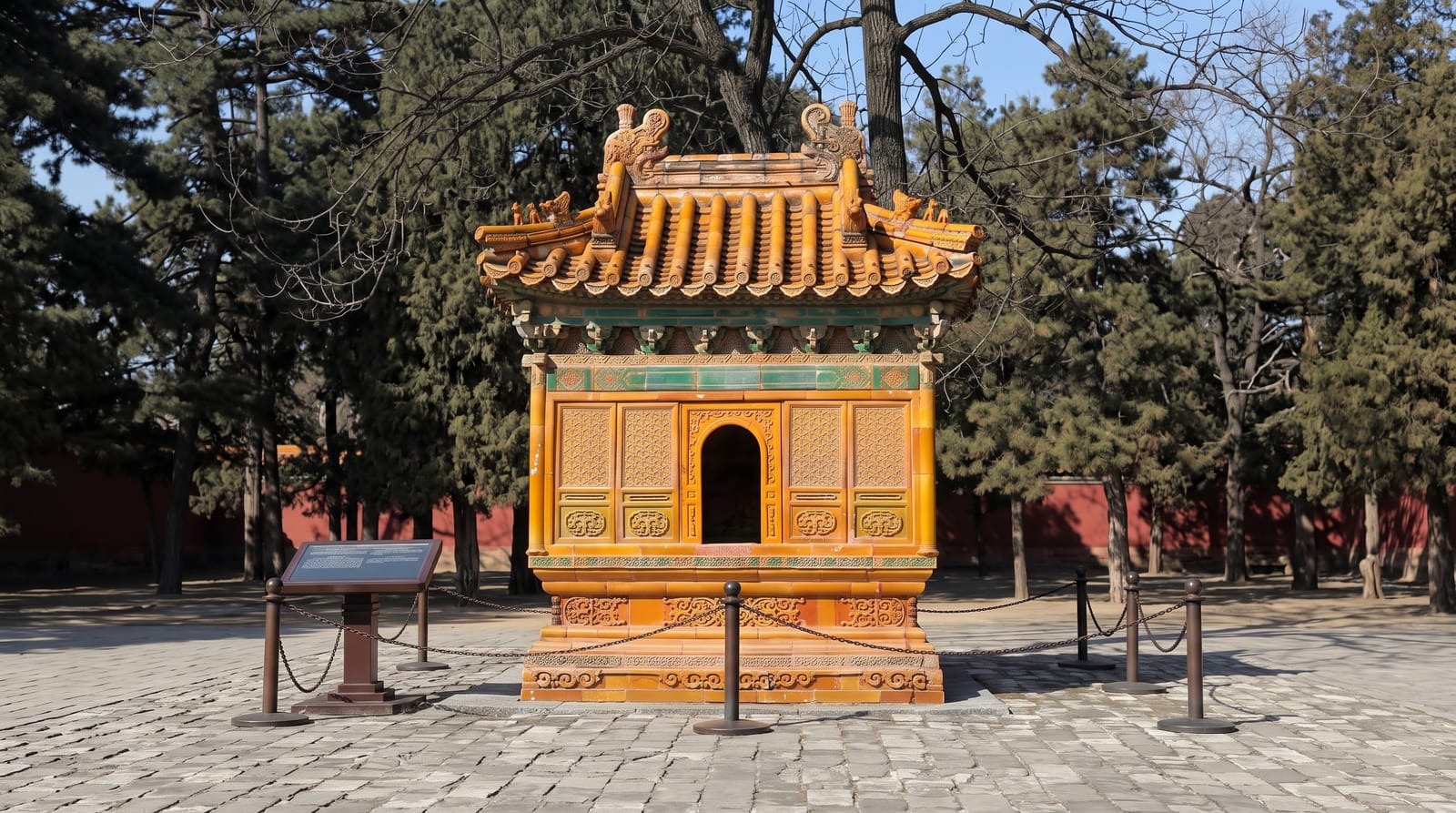
AI illustration
UNESCO World Heritage
Thirteen of the sixteen Ming emperors are buried in a valley at the foot of the Tianshou Mountains, in tombs laid out from 1409 and chosen for their feng shui, forming part of a UNESCO listing with other imperial tombs. The approach is the Sacred Way, a seven-kilometre avenue lined with pairs of stone officials, elephants, camels, horses and mythical beasts, each carved from a single block. Three tombs are open: Changling, the largest and best preserved, with a hall of enormous nanmu timber columns; Dingling, the only one excavated, where visitors descend into the underground palace; and Zhaoling. The excavation of Dingling in the 1950s damaged much of what it contained.
What's there
- The Sacred Way - the avenue of stone animals and officials.
- Changling - the largest tomb, with its hall of giant nanmu columns.
- Dingling - the excavated underground chamber, entered by stairs.
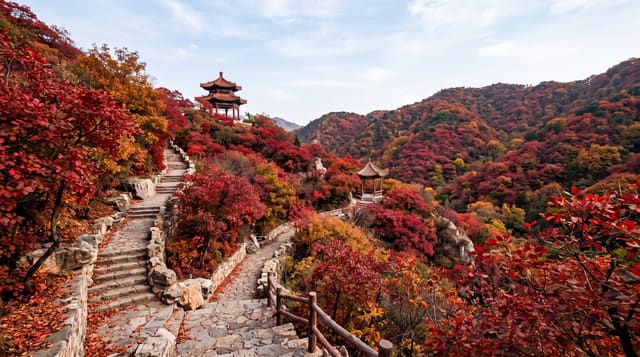
- The valley setting - the tombs spread across a mountain-ringed basin.
When to go
April to May and September to October for mild weather; the Sacred Way is exposed with little shade. Sites are spread kilometres apart and each charges separately. Combining with the Great Wall at Badaling or Mutianyu is standard.
Before you go
The three open tombs are far apart and a car or tour is effectively necessary. Dingling's underground chamber is empty, its contents largely destroyed or removed after excavation. Tour groups often allot only an hour.
Nearby
Badaling and Mutianyu sections of the Great Wall lie north and northeast.
Key facts
Source: Wikidata, item Q41135, read on 18 October 2026.
What to pack for Ming Tombs
Chosen from what this place is for. Tap a kit for the full checklist.
- Head torch + spare batteries - Hands-free light is essential; caves are truly dark. Find on Amazon
- Comfortable walking shoes - Sightseeing means kilometres of pavement and cobbles daily. Find on Amazon
- Modest clothing - Shoulders and knees covered - the single most common requirement. Find on Amazon
- Grippy closed shoes - Cave floors are wet, muddy and slick with formations. Find on Amazon
Some links on this page are Amazon affiliate links - if you buy through them we may earn a small commission at no extra cost to you.
All packing kitsPlan your trip
Where to start if Ming Tombs is going on the list.
Booking links on this page are affiliate links - if you book through them we may earn a small commission at no extra cost to you. It never changes what we write about a place.
Opening times, ticket prices and seasonal closures change - check the official source before you go: official site.