Longquan
The home of celadon, a green-glazed ceramic fired here for a thousand years, and of a sword-forging tradition as old.
Updated 4 September 2026

AI illustration
Longquan has two crafts, both a thousand years old. Its celadon, fired from the Song, is defined by a thick jade-like glaze in tones from pale grey-green to deep blue-green, achieved through iron oxide in a reducing atmosphere, and it was exported across Asia and to the Middle East and Europe; UNESCO recognised the firing technique as intangible cultural heritage in 2009. Kiln sites at Dayao are protected archaeological ground, and working studios throughout the town sell contemporary pieces. Separately, Longquan swords have been forged here since the Spring and Autumn period, and workshops still make pattern-welded blades, with a museum covering both traditions.
What you'll find
- The celadon studios - working potters and kilns producing the green glaze.
- The Dayao kiln sites - protected archaeological remains of Song production.
- The sword forges - workshops making pattern-welded blades.
- The museums - collections covering both crafts.
When to go
April to June and September to November; the mountains around Longquan are cool in summer, which makes it a regional escape. Winter is cold and damp. Studios generally welcome visitors during working hours.
Good to know
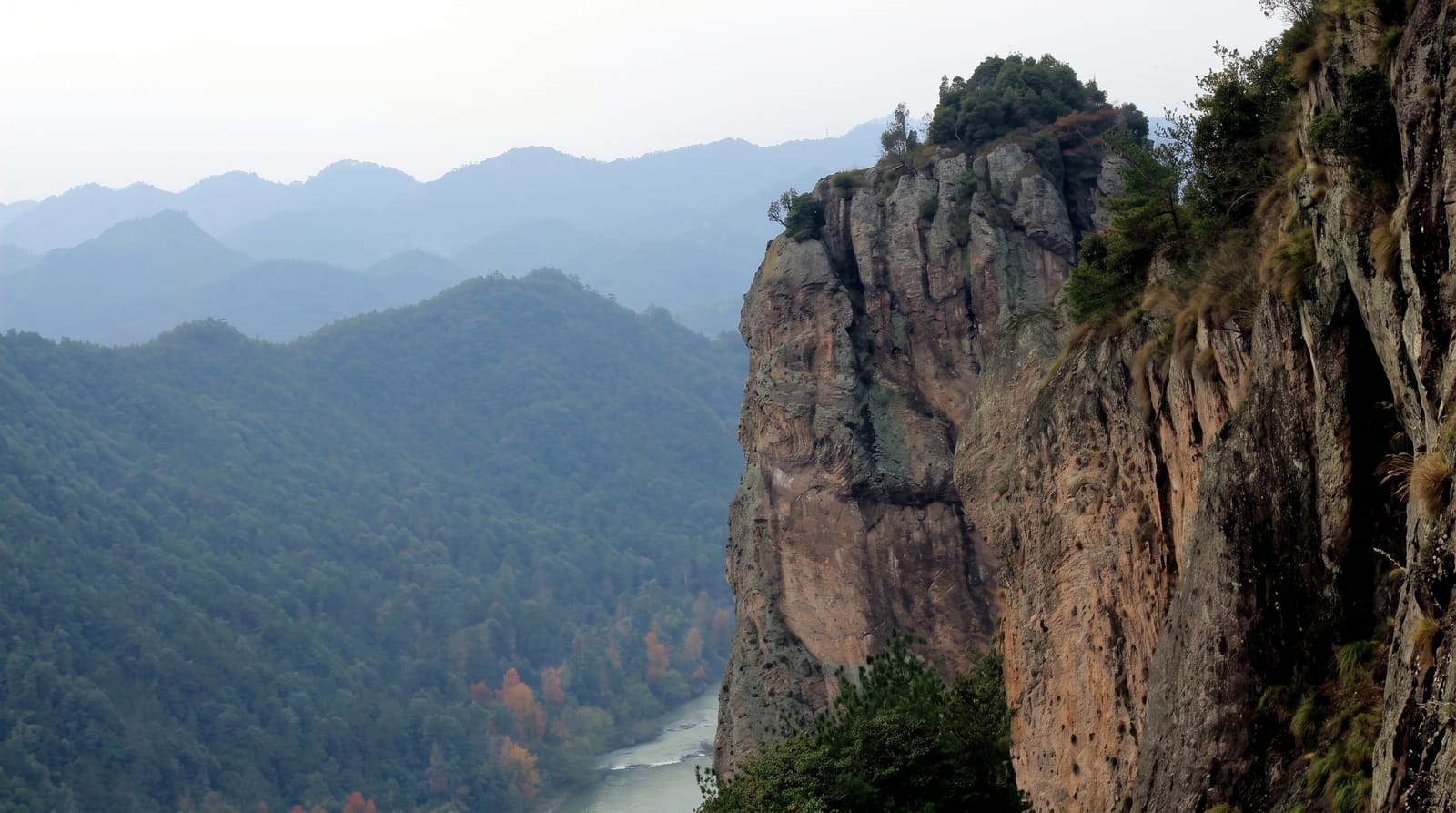
The town is remote in southwestern Zhejiang and takes effort to reach. Quality and price of celadon vary enormously and identifying good work takes knowledge. Sword purchases face transport restrictions on rail and air.
Nearby
Lishui lies northeast; the Fujian border is south.
What to pack for Longquan
Chosen from what this place is for. Tap a kit for the full checklist.
- Comfortable walking shoes - Sightseeing means kilometres of pavement and cobbles daily. Find on Amazon
- A slim anti-theft daypack - Zips that close properly; keep it in front in crowds and on transit. Find on Amazon
- A refillable water bottle - Many cities have public fountains; save money and plastic. Find on Amazon
- A light layer + compact umbrella - For museum air-con and a sudden shower. Find on Amazon
Some links on this page are Amazon affiliate links - if you buy through them we may earn a small commission at no extra cost to you.
All packing kitsPlan your trip
Where to start if Longquan is going on the list.
Booking links on this page are affiliate links - if you book through them we may earn a small commission at no extra cost to you. It never changes what we write about a place.
Opening times, ticket prices and seasonal closures change - check the official source before you go: official site.