Jiayang Steam Railway
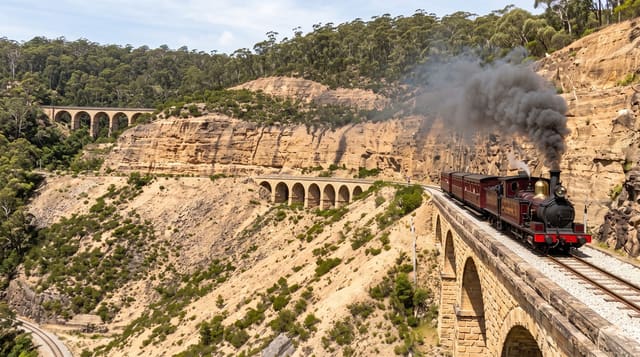
A narrow-gauge coal line still worked by steam, running through terraced valleys with villagers aboard.
Updated 4 September 2026
The Jiayang line was built in 1958 to bring coal out of the hills at Bagou, laid to 762 millimetre gauge, and it never converted from steam, so small tank engines still work the twenty kilometres of track through tunnels and terraced valleys. It carried passengers because the road was poor, and it still does: local services run for villagers alongside tourist trains, at different prices. In spring the valley fills with rapeseed flower, which is when the line is busiest with photographers. Bagou at the end is a mining settlement with 1950s and 1960s buildings, a coal museum and a mine that can be visited.
The main sights
- The steam locomotives - working narrow-gauge engines, not preserved display.
- The valley run - terraces, tunnels and villages along twenty kilometres.
- The rapeseed season - yellow fields through the valley in early spring.
- Bagou - the mining settlement and its museum at the end of the line.
When to go
March to April for rapeseed bloom, which brings the largest crowds; autumn is quieter and clearer. Winter runs continue and steam shows better in cold air. Book tourist services ahead in spring.
Before you go
Tourist trains cost far more than local services and sell out in bloom season. Carriages are basic and unheated. Qianwei is a slow journey from Chengdu.
Nearby
Leshan and its Giant Buddha lie north; Emeishan is northwest.
What to pack for Jiayang Steam Railway
Chosen from what this place is for. Tap a kit for the full checklist.
- Comfortable walking shoes - Sightseeing means kilometres of pavement and cobbles daily. Find on Amazon
- A slim anti-theft daypack - Zips that close properly; keep it in front in crowds and on transit. Find on Amazon
- A refillable water bottle - Many cities have public fountains; save money and plastic. Find on Amazon
- A light layer + compact umbrella - For museum air-con and a sudden shower. Find on Amazon
Some links on this page are Amazon affiliate links - if you buy through them we may earn a small commission at no extra cost to you.
All packing kitsPlan your trip
Where to start if Jiayang Steam Railway is going on the list.
Booking links on this page are affiliate links - if you book through them we may earn a small commission at no extra cost to you. It never changes what we write about a place.
Opening times, ticket prices and seasonal closures change - check the official source before you go: official site.