La Campana National Park
The peak Darwin climbed in 1834, protecting the last big stands of the Chilean wine palm.
Updated 21 October 2026
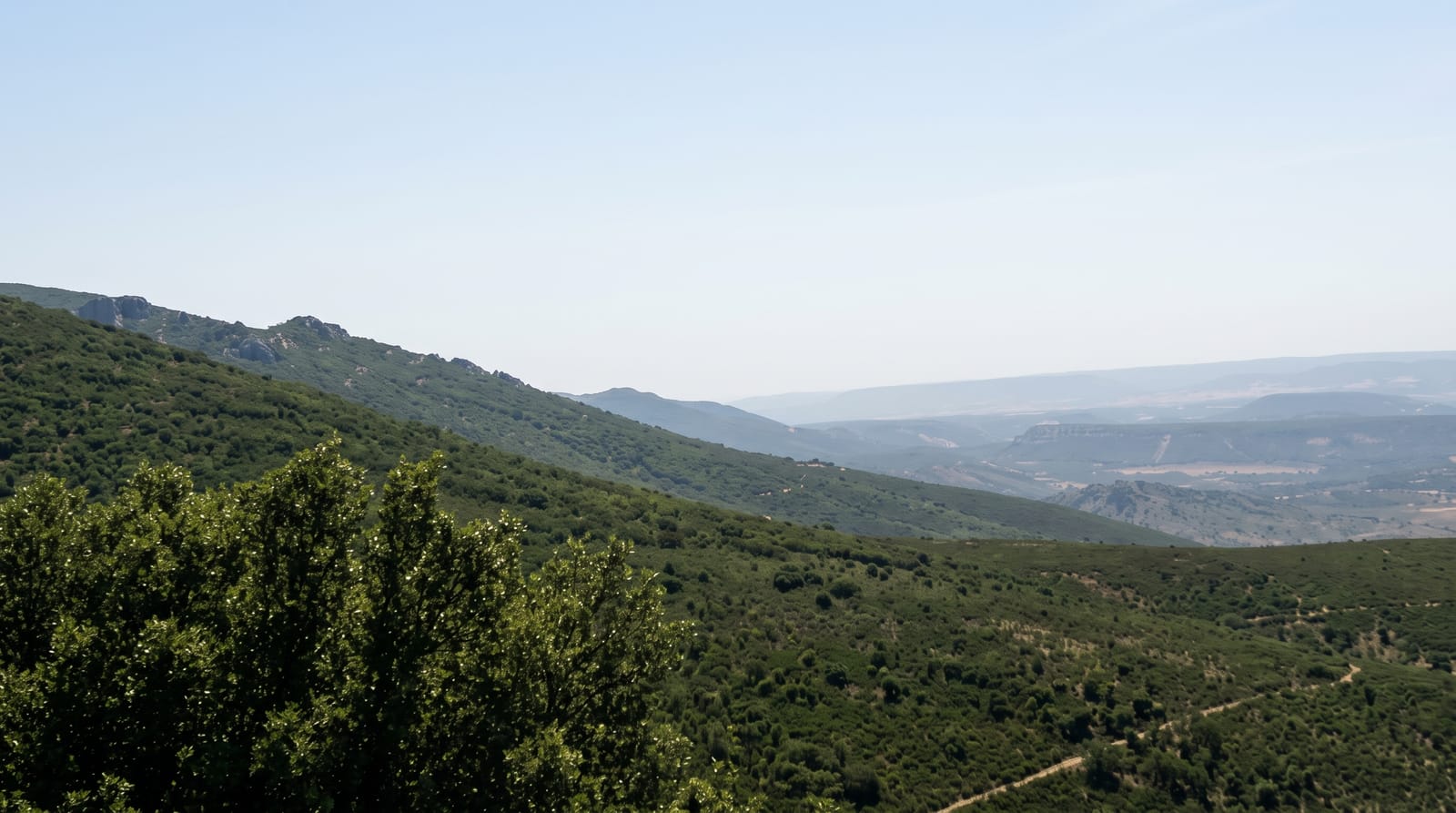
Charles Darwin climbed Cerro La Campana in August 1834 during the Beagle voyage and wrote about the view from the top - the Andes on one side and the Pacific on the other - and a plaque near the summit marks it. The climb is still done, about eight kilometres and 1,400 metres of ascent to 1,880 metres, and it is hard work rather than technical. The park's other significance is botanical: the Ocoa sector holds one of the last large natural stands of the Chilean wine palm, a species reduced to a fraction of its range by centuries of felling for palm honey, since tapping it kills the tree. The park is a UNESCO biosphere reserve.
Highlights
- Darwin's climb of 1834 - marked near the summit.
- 1,400 metres of ascent - to 1,880 metres, hard but not technical.
- One of the last large wine palm stands - in the Ocoa sector.
- A species felled for its sap - tapping the palm kills it.
When to go
September to November and March to May; summer is very hot and fire risk is high. A full day.
Practical notes
The summit climb is long, steep and unshaded, with a scramble near the top, and entry closes early to keep people off it late. Water must be carried. The park closes sectors in high fire risk conditions.
Nearby
Olmue is below; Valparaiso and the coast are west.
Key facts
Source: Wikidata, item Q1306110, read on 18 October 2026.
What to pack for La Campana National Park
Chosen from what this place is for. Tap a kit for the full checklist.
- Broken-in walking shoes or boots - Grip and ankle support matter more than looks; never hike in brand-new boots. Find on Amazon
- Binoculars - The single best wildlife tool - even a compact pair transforms a sighting. Find on Amazon
- Layers + a waterproof shell - Mountain weather turns fast; a packable rain jacket saves the day. Find on Amazon
- A zoom camera or long lens - Animals rarely come close; reach beats megapixels. Find on Amazon
Some links on this page are Amazon affiliate links - if you buy through them we may earn a small commission at no extra cost to you.
All packing kitsPlan your trip
Where to start if La Campana National Park is going on the list.
Booking links on this page are affiliate links - if you book through them we may earn a small commission at no extra cost to you. It never changes what we write about a place.
Opening times, ticket prices and seasonal closures change - check the official source before you go: official site.