Aldea de Tulor
A village of round mud rooms first settled before Christ, buried in sand and dug out again.
Updated 21 October 2026
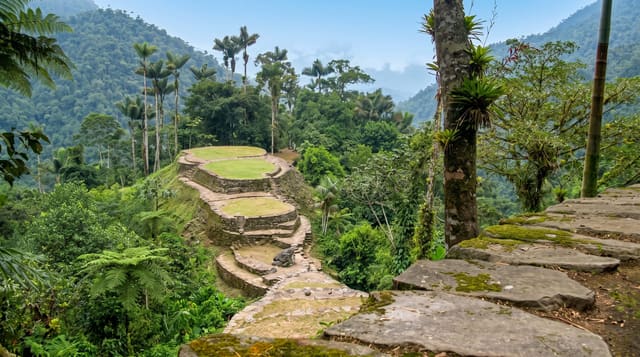
Tulor is among the oldest known villages in the Atacama, first settled between about 380 BC and 200 AD by current dating, with most of its structures from around 800 to 1200 AD, and its plan is unusual: circular rooms of mud built wall against wall in clusters, connected by low doorways, without streets in any conventional sense. It was abandoned as the water table dropped and the sand advanced, which then buried it - the drifted sand is why the walls survived at all. Excavation began in the 1950s under Gustave Le Paige. Only a portion has been uncovered and part of what was exposed has been deliberately reburied to protect it, so what visitors see is a small excavated area plus a full-size reconstruction alongside.
The main sights
- Round mud rooms in clusters - joined by low doorways, no streets.
- First settled before Christ - among the oldest known villages in the Atacama.
- Buried by sand - which is why the walls survived.
- A partly reburied excavation - with a reconstruction beside it.
When to go
Year round; early or late for the heat. Two hours.
Good to know
Only a small area is exposed, and deliberately so - visitors expecting a large excavated town will be disappointed. There is almost no shade. The track in is sand and rough for low cars. Entering the walls is prohibited.
Nearby
San Pedro is north-east; the Salar de Atacama begins here.
Key facts
Source: Wikidata, item Q2493479, read on 18 October 2026.
What to pack for Aldea de Tulor
Chosen from what this place is for. Tap a kit for the full checklist.
- Comfortable walking shoes - Sightseeing means kilometres of pavement and cobbles daily. Find on Amazon
- A slim anti-theft daypack - Zips that close properly; keep it in front in crowds and on transit. Find on Amazon
- A refillable water bottle - Many cities have public fountains; save money and plastic. Find on Amazon
- A light layer + compact umbrella - For museum air-con and a sudden shower. Find on Amazon
Some links on this page are Amazon affiliate links - if you buy through them we may earn a small commission at no extra cost to you.
All packing kitsPlan your trip
Where to start if Aldea de Tulor is going on the list.
Booking links on this page are affiliate links - if you book through them we may earn a small commission at no extra cost to you. It never changes what we write about a place.
Opening times, ticket prices and seasonal closures change - check the official source before you go: official site.