Winnipeg Exchange District
Twenty blocks of warehouses from a boom that stopped, leaving a period streetscape used constantly for filming.
Updated 19 October 2026
AI illustration
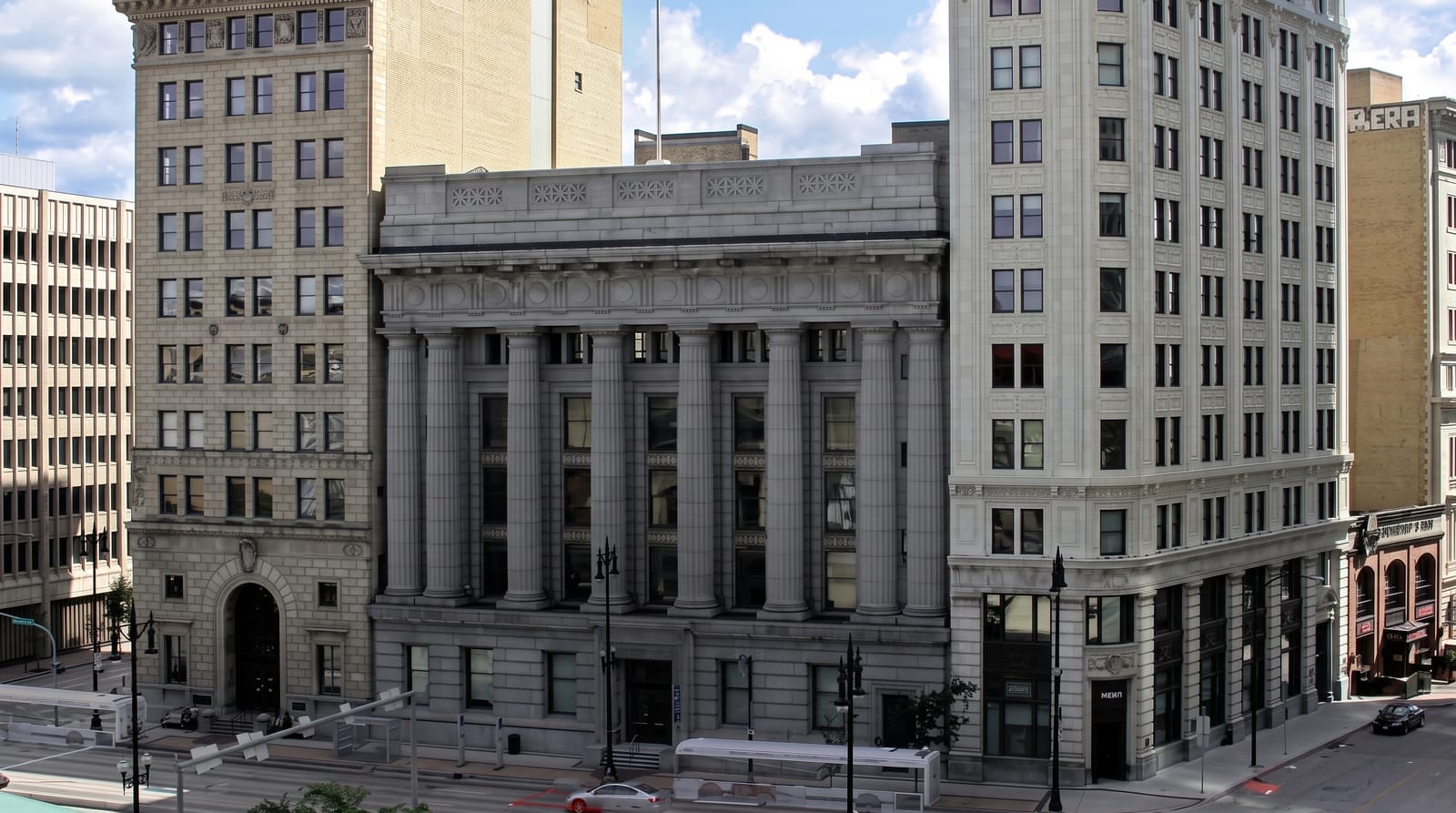
Winnipeg was the gateway to the west and grew explosively between 1880 and 1913, building warehouses, banks and exchange buildings in terracotta, brick and cut stone across about twenty blocks. Then the Panama Canal opened in 1914 and shipping bypassed the prairie rail route; the boom stopped, and because there was no later pressure to redevelop, the district survived largely intact. It is a National Historic Site and one of the best-preserved turn-of-century commercial districts in North America, which is why film crews use it as a stand-in for Chicago and New York. The 1919 general strike centred on these streets.
What's there
- The warehouse blocks - twenty blocks of 1880 to 1913 commercial buildings.
- The terracotta and stone facades - bank and exchange fronts from the boom.
- The film locations - streets regularly dressed as period American cities.
- The 1919 strike streets - where the general strike centred.
When to go
May to September for walking tours and the Fringe Festival in July, which fills the district. The buildings are visible year-round but Winnipeg winters make walking tours hard.
Practical notes
Parts of the district are still underused with vacant buildings. Some streets feel rough at night. Winter walking here is genuinely uncomfortable.
Nearby
The Forks lies south; Saint-Boniface is across the Red River.
What to pack for Winnipeg Exchange District
Chosen from what this place is for. Tap a kit for the full checklist.
- Comfortable walking shoes - Sightseeing means kilometres of pavement and cobbles daily. Find on Amazon
- A slim anti-theft daypack - Zips that close properly; keep it in front in crowds and on transit. Find on Amazon
- A refillable water bottle - Many cities have public fountains; save money and plastic. Find on Amazon
- A light layer + compact umbrella - For museum air-con and a sudden shower. Find on Amazon
Some links on this page are Amazon affiliate links - if you buy through them we may earn a small commission at no extra cost to you.
All packing kitsPlan your trip
Where to start if Winnipeg Exchange District is going on the list.
Booking links on this page are affiliate links - if you book through them we may earn a small commission at no extra cost to you. It never changes what we write about a place.
Opening times, ticket prices and seasonal closures change - check the official source before you go: official site.