Sable Island
A crescent of sand three hundred kilometres from Halifax, holding wild horses and the grey seals that outnumber them.
Updated 19 October 2026
AI illustration
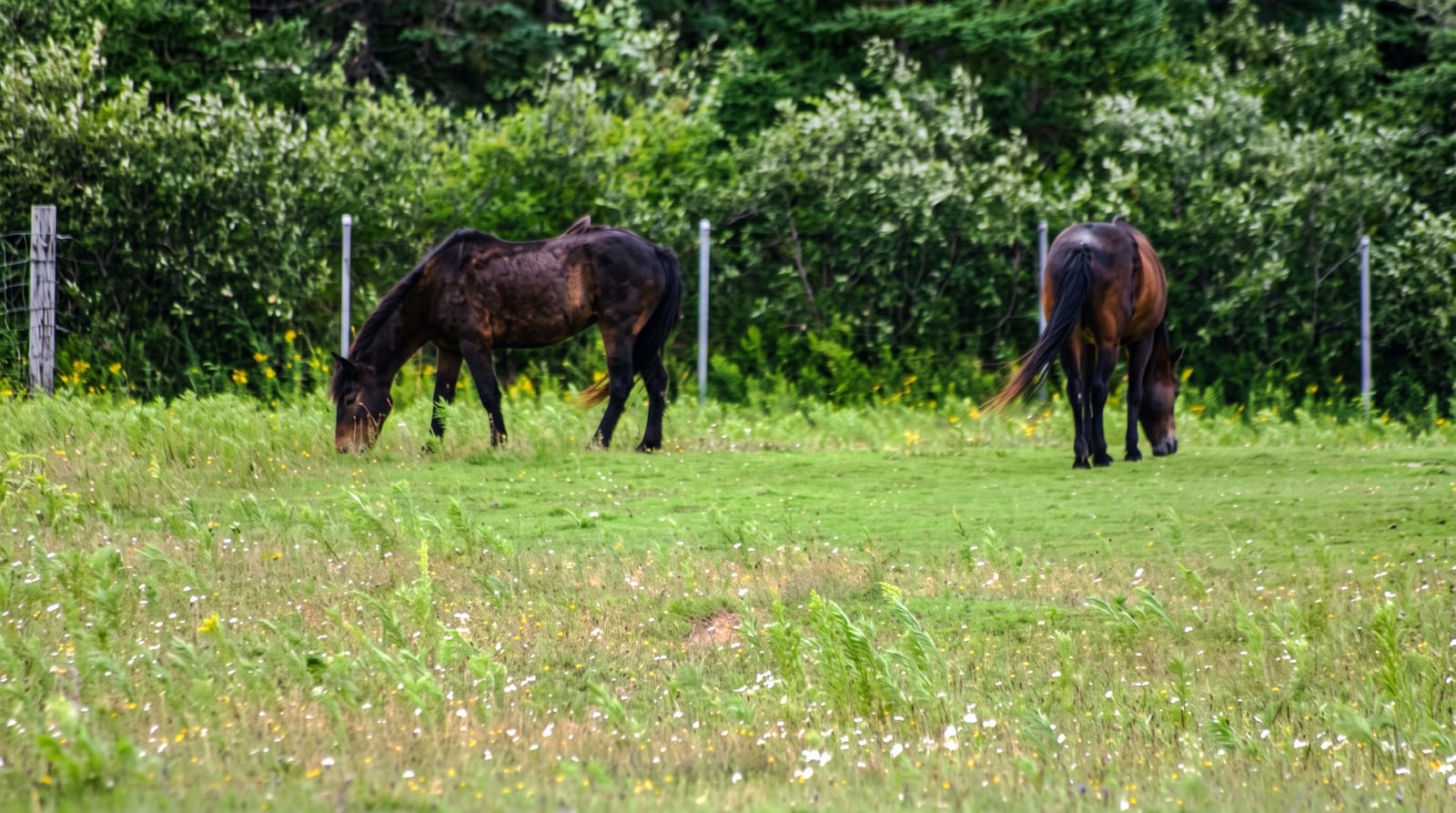
Sable is a sandbar about forty-two kilometres long and never more than one and a half wide, sitting some three hundred kilometres southeast of Halifax and about a hundred and seventy-five off mainland Nova Scotia, and it has wrecked around three hundred and fifty ships, which earned it the name graveyard of the Atlantic. Horses were landed in the 1760s, probably livestock seized from deported Acadians, and around five hundred now live wild; they are legally protected and not managed, fed or veterinary-treated, which means the population rises and falls with the winters. The island also holds the largest grey seal breeding colony in the world, with hundreds of thousands hauling out. It became a national park reserve in 2013.
History
The expedition of the Portuguese explorer João Álvares Fagundes in 1520-1521 was among the first Europeans to meet the island, and in 1598 Troilus de La Roche de Mesgouez tried to settle it with convicts and soldiers, a few of whom survived in mud dwellings until they were taken back to France in 1603. An estimated 350 ships have been wrecked on its sand bars, the first recorded being the English Delight in 1583, part of Humphrey Gilbert's expedition to Newfoundland; lighthouses were built at each end of the island in 1873, after which the wrecks became fewer (Wikipedia, Sable Island).
What's there
- The wild horses - around five hundred left entirely unmanaged.
- The grey seal colony - the world's largest, in the hundreds of thousands.
- The sand island - a bar of dune and marram grass with no trees.
- The wreck history - the graveyard of the Atlantic, some three hundred and fifty ships.
When to go
June to September for flights and the least fog; access is by permit and charter only, and the number of visitors each year is small. Seal pupping is in winter, when access is essentially impossible.
Before you go
Reaching the island requires a Parks Canada permit and an expensive charter flight that is frequently cancelled by fog or wind. Approaching the horses is prohibited. There is no accommodation.
Nearby
Halifax is the departure point; the island stands alone in the Atlantic.
Key facts
Source: Wikidata, item Q1336091, read on 18 October 2026.
What to pack for Sable Island
Chosen from what this place is for. Tap a kit for the full checklist.
- Broken-in walking shoes or boots - Grip and ankle support matter more than looks; never hike in brand-new boots. Find on Amazon
- Loose, light, long clothing - Covering up beats bare skin in the desert - and locals dress this way for a reason. Find on Amazon
- Shelter suited to the place - Tent, tarp or hut booking - match it to the terrain and rules. Find on Amazon
- Layers + a waterproof shell - Mountain weather turns fast; a packable rain jacket saves the day. Find on Amazon
Some links on this page are Amazon affiliate links - if you buy through them we may earn a small commission at no extra cost to you.
All packing kitsPlan your trip
Where to start if Sable Island is going on the list.
Booking links on this page are affiliate links - if you book through them we may earn a small commission at no extra cost to you. It never changes what we write about a place.
Opening times, ticket prices and seasonal closures change - check the official source before you go: official site.