Osoyoos Desert
Canada's only arid shrub-steppe, holding species found nowhere else in the country, on boardwalks.
Updated 4 September 2026
AI illustration
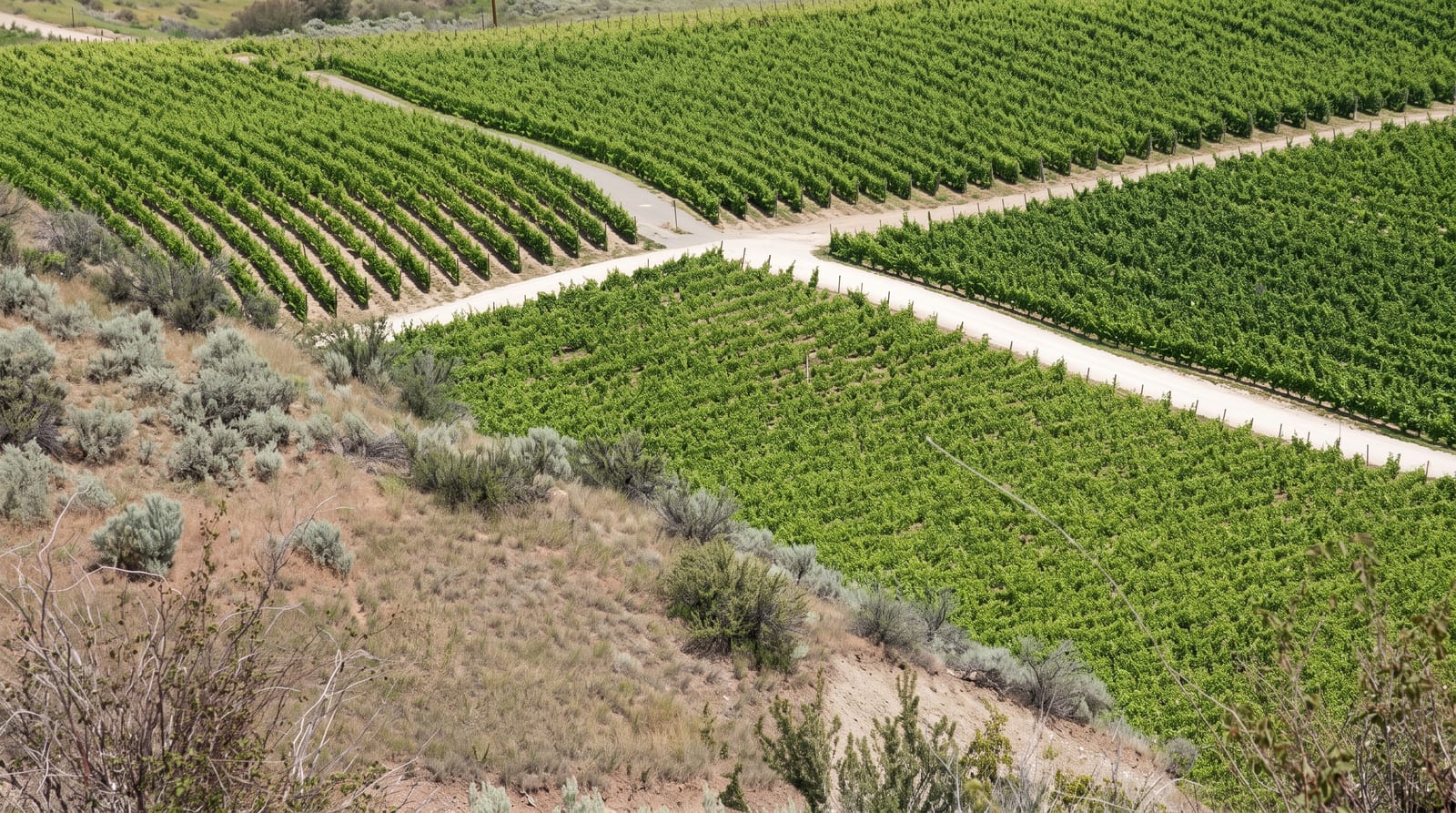
The south Okanagan is the northern tip of the Great Basin shrub-steppe reaching up from the United States, and it is usually called Canada's pocket desert, although ecologists point out it is technically semi-arid shrub-steppe rather than true desert. Antelope brush and sagebrush dominate. The species list is what matters: burrowing owls, pallid bats, tiger salamanders, praying mantis, and the western rattlesnake, several of them found nowhere else in Canada and most of them at risk, since around ninety per cent of the habitat has gone to orchards, vineyards and housing. Two interpretive centres run boardwalks, one operated by the Osoyoos Indian Band.
What's there
- The antelope brush - the defining shrub of the remaining habitat.
- The boardwalks - raised paths keeping feet off fragile crust.
- The rare species - burrowing owls, mantis and rattlesnakes at their range limit.
- The Nk'Mip centre - Indigenous-run interpretation of the same ecosystem.
When to go
April to June, when it is green, flowering and the wildlife is active; July and August are extremely hot with little visible. Centres reduce hours or close from autumn.
Before you go
Rattlesnakes are present and staying on boardwalks matters. Summer heat here is the highest in Canada and makes midday visits unpleasant. The centres close for winter.
Nearby
Spotted Lake lies northwest; the Okanagan vineyards run north.
Key facts
Source: Wikidata, item Q111083502, read on 18 October 2026.
What to pack for Osoyoos Desert
Chosen from what this place is for. Tap a kit for the full checklist.
- Broken-in walking shoes or boots - Grip and ankle support matter more than looks; never hike in brand-new boots. Find on Amazon
- Binoculars - The single best wildlife tool - even a compact pair transforms a sighting. Find on Amazon
- Loose, light, long clothing - Covering up beats bare skin in the desert - and locals dress this way for a reason. Find on Amazon
- Layers + a waterproof shell - Mountain weather turns fast; a packable rain jacket saves the day. Find on Amazon
Some links on this page are Amazon affiliate links - if you buy through them we may earn a small commission at no extra cost to you.
All packing kitsPlan your trip
Where to start if Osoyoos Desert is going on the list.
Booking links on this page are affiliate links - if you book through them we may earn a small commission at no extra cost to you. It never changes what we write about a place.
Opening times, ticket prices and seasonal closures change - check the official source before you go: official site.