Desolation Sound
A marine park where two tidal streams meet and cancel out, leaving water warm enough to swim in.
Updated 19 October 2026
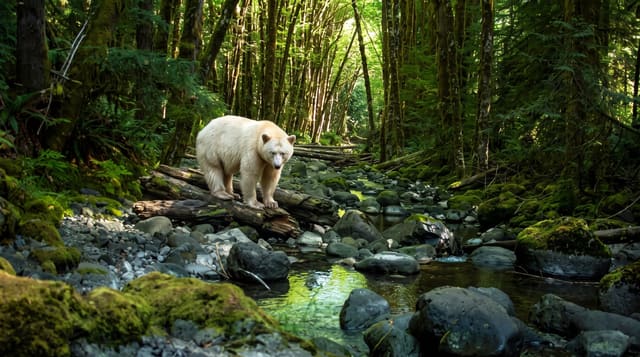
AI illustration
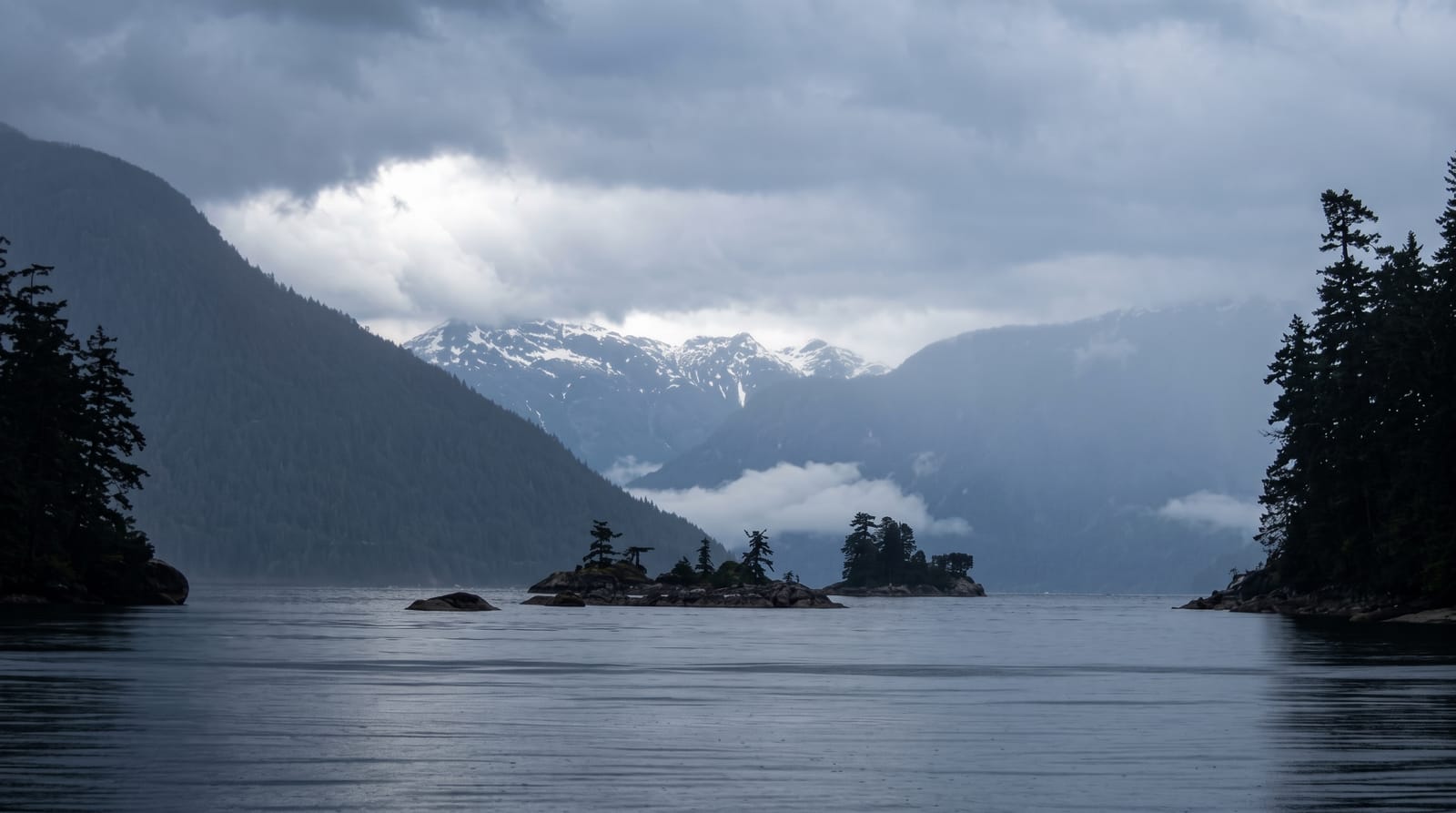
Desolation Sound is the largest marine park in British Columbia and its distinction is temperature. Tides entering the Strait of Georgia from both ends meet here and largely cancel, so the water is not flushed and exchanged the way it is elsewhere on the coast; the surface layer sits through summer and warms to around twenty-four degrees, the warmest sea water north of Mexico on this coast. Captain Vancouver named it in 1792, finding it gloomy and short of anchorage, which is not the modern verdict. There is no road: kayakers launch from Lund or Okeover and boats come up the strait.
History
The sound lies within the traditional territories of the Klahoose, Tla'amin and Homalco First Nations. In the summer of 1792 two expeditions, one British under George Vancouver and one Spanish under Dionisio Alcalá Galiano and Cayetano Valdés y Flores, met here and worked together to chart it, and Vancouver gave it its name, writing that there was not a single prospect that was pleasing to the eye (Wikipedia, Desolation Sound).
The landscape
- The warm water - surface temperatures unusual for the Pacific Northwest.
- The tidal meeting point - where two tide streams cancel each other.
- The boat-access coves - anchorages and campsites with no road behind them.
- The Coast Mountains - peaks rising directly behind the inlets.
When to go
June to September, when the surface layer has warmed and services run; the water is at its warmest in August. Winter is stormy and the park is effectively empty.
Practical notes
Access is by water only and kayak crossings involve exposed stretches with wind. Anchorages fill in August. There are no supplies inside the park.
Nearby
Lund is the road end and launching point; Powell River lies south.
Key facts
Source: Wikidata, item Q1200834, read on 18 October 2026.
What to pack for Desolation Sound
Chosen from what this place is for. Tap a kit for the full checklist.
- Broken-in walking shoes or boots - Grip and ankle support matter more than looks; never hike in brand-new boots. Find on Amazon
- Quick-dry clothing - Board shorts or synthetics that shrug off spray and dry fast. Find on Amazon
- Shelter suited to the place - Tent, tarp or hut booking - match it to the terrain and rules. Find on Amazon
- Layers + a waterproof shell - Mountain weather turns fast; a packable rain jacket saves the day. Find on Amazon
Some links on this page are Amazon affiliate links - if you buy through them we may earn a small commission at no extra cost to you.
All packing kitsPlan your trip
Where to start if Desolation Sound is going on the list.
Booking links on this page are affiliate links - if you book through them we may earn a small commission at no extra cost to you. It never changes what we write about a place.
Opening times, ticket prices and seasonal closures change - check the official source before you go: official site.