Keo Seima Wildlife Sanctuary
Forest in Mondulkiri holding the world's largest populations of black-shanked douc and yellow-cheeked gibbon.
Updated 1 September 2026
Keo Seima protects a large block of evergreen and semi-evergreen forest in Mondulkiri, and its significance is primates: the sanctuary holds the largest known populations in the world of the black-shanked douc, a striking grey and black leaf monkey with a bare golden face, and of the southern yellow-cheeked crested gibbon. The Jahoo project at Andoung Kraloeng is run with the Bunong community, whose land this is, and takes small numbers of visitors to habituated groups: gibbons are tracked at dawn by their song, doucs found later in the morning. Accommodation is a simple camp. Sightings are genuinely good because the groups are used to observers, which is unusual for Cambodian wildlife.
Highlights
- Black-shanked douc - the world's largest population of the leaf monkey.
- Yellow-cheeked gibbon - habituated groups tracked at dawn by song.
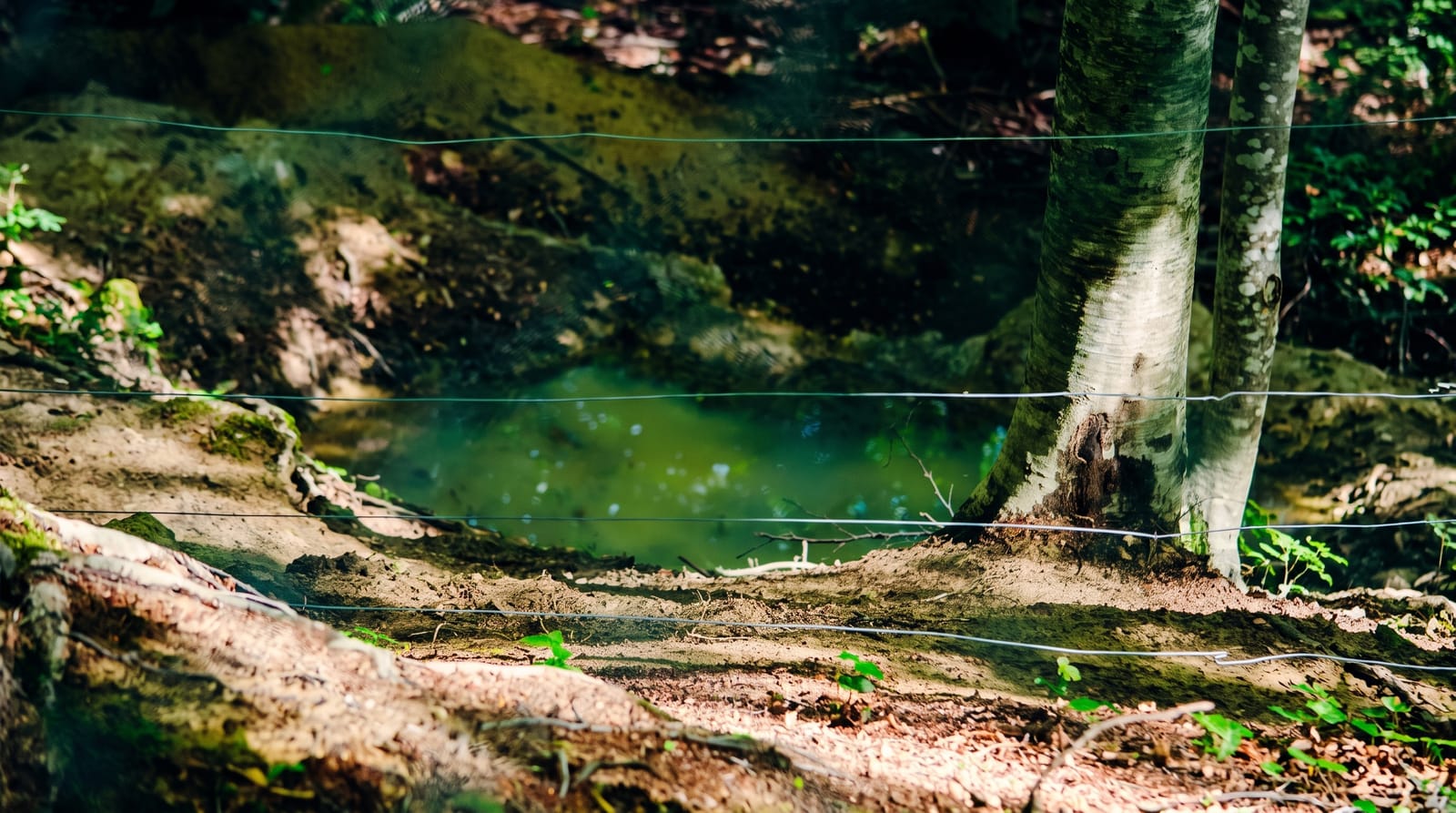
- Evergreen forest - the block of habitat the sanctuary protects.
- Bunong community project - the camp and guiding run on community land.
When to go
November to March for the dry season and easier tracks. Gibbons sing at dawn year round, so trips start before first light. The wet season makes the roads in difficult.
Things to know
Trips must be booked in advance and numbers are limited. Accommodation is a basic forest camp with no facilities. Dawn starts and steep forest walking are involved. Sightings are likely but the forest is dense and views can be brief.
Nearby
Sen Monorom lies east; Phnom Penh is southwest.
Key facts
Source: Wikidata, item Q85774097, read on 18 October 2026.
What to pack for Keo Seima Wildlife Sanctuary
Chosen from what this place is for. Tap a kit for the full checklist.
- Broken-in walking shoes or boots - Grip and ankle support matter more than looks; never hike in brand-new boots. Find on Amazon
- Binoculars - The single best wildlife tool - even a compact pair transforms a sighting. Find on Amazon
- Layers + a waterproof shell - Mountain weather turns fast; a packable rain jacket saves the day. Find on Amazon
- A zoom camera or long lens - Animals rarely come close; reach beats megapixels. Find on Amazon
Some links on this page are Amazon affiliate links - if you buy through them we may earn a small commission at no extra cost to you.
All packing kitsPlan your trip
Where to start if Keo Seima Wildlife Sanctuary is going on the list.
Booking links on this page are affiliate links - if you book through them we may earn a small commission at no extra cost to you. It never changes what we write about a place.
Opening times, ticket prices and seasonal closures change - check the official source before you go: official site.