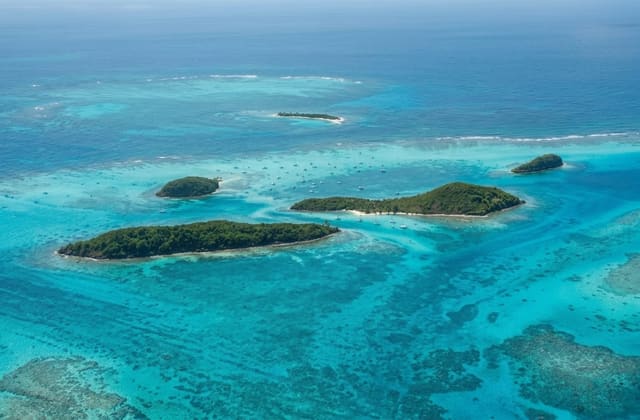
Ilha Grande
A roadless Atlantic forest island off the Costa Verde, kept wild by the prison that closed in 1994.
Updated 18 October 2026
UNESCO World Heritage
Ilha Grande has no roads and no cars: everything moves on foot or by boat, and the island's hundred and something kilometres of trails are the way to get between beaches. Its forest survived because of what was on it - a quarantine station, then a prison colony that operated until 1994 and made the island effectively closed to visitors and to development for most of the twentieth century. The prison at Dois Rios was demolished after closure and the ruins and museum can be walked to. Lopes Mendes, reached by boat plus an hour's walk, is the beach that appears on the postcards. The island forms part of the Paraty and Ilha Grande World Heritage site, listed in 2019 for its combination of biodiversity and cultural history.
History
For almost a century the Brazilian government kept the island off limits, first for an immigration quarantine station and later for a maximum-security prison, the Colônia Penal de Dois Rios, later named the Instituto Penal Cândido Mendes, which held some of the most dangerous offenders in Brazil until it was shut in 1994. On 1 January 2010 mudslides killed at least 19 people on the island, and on 5 July 2019 Ilha Grande and Paraty were inscribed together as a World Heritage Site (Wikipedia, Ilha Grande).
What you'll find
- No cars at all - trails and boats are the only transport.
- Forest kept by a prison - development blocked until the colony closed in 1994.
- Lopes Mendes - a boat ride plus an hour's walk to open ocean sand.
- Dois Rios ruins - the demolished prison site with its small museum.
When to go
April to October, the drier months. Three days.
Good to know
Everything involves walking or paying for a boat, and trails are steep, muddy and longer than the map suggests. Vila do Abraao fills in high season and prices rise sharply. There are no ATMs worth relying on. Rain closes trails.
Nearby
Paraty is west along the Costa Verde; Angra dos Reis is on the mainland opposite.
Key facts
Source: Wikidata, item Q1369095, read on 18 October 2026.
What to pack for Ilha Grande
Chosen from what this place is for. Tap a kit for the full checklist.
- Reef-safe sunscreen - High SPF that will not bleach the coral you are swimming over. Find on Amazon
- Quick-dry towel - A microfibre towel packs small and dries in minutes. Find on Amazon
- Water shoes - Protect your feet on rocky entries, hot sand and sea-urchin spines. Find on Amazon
- Dry bag - Keeps phone, cash and keys safe while you are in the water. Find on Amazon
Some links on this page are Amazon affiliate links - if you buy through them we may earn a small commission at no extra cost to you.
All packing kitsPlan your trip
Where to start if Ilha Grande is going on the list.
Booking links on this page are affiliate links - if you book through them we may earn a small commission at no extra cost to you. It never changes what we write about a place.
Opening times, ticket prices and seasonal closures change - check the official source before you go: official site.