Why Half the World Drives Left
Knights, Napoleon and one stubborn empire - the real reasons about a third of the world drives on the left, and where you need to pay attention.

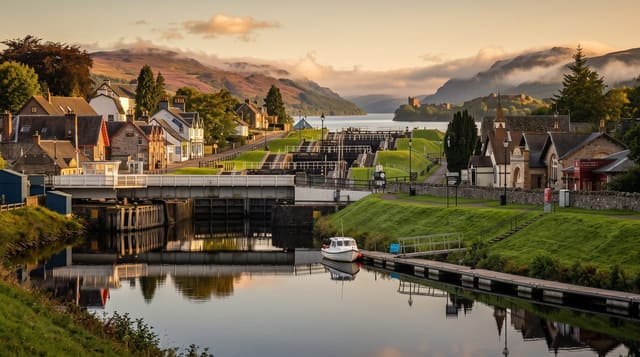
AI illustration.
About a third of the world drives on the left, and the split is not random. It is a map of old habits, old empires and one very influential Frenchman.
Swords first
Most people are right-handed, and for most of history that decided which side of the road you took. A rider keeping left passes oncoming strangers on his right side, sword arm free. Mounting a horse from the left, as riders do, is also easier at the roadside if you ride on the left. Keeping left was common across much of the old world, and in 1300 the Pope reportedly directed pilgrims to Rome to do exactly that.
Then came the wagons
The switch to the right began with freight. In eighteenth-century France and America, big wagons were driven by a postilion sitting on the left rear horse, the better to whip with the right hand. From that seat you judge oncoming traffic best by keeping to the right. Napoleon then spread right-hand travel across the countries he conquered, and some historians add that he was happy to do the opposite of England on principle. America's growing car industry sealed it: Ford put the steering wheel on the left in 1908, and left-hand-drive cars want right-hand roads.
The empire that stayed left
Britain never switched, and its empire took left-hand driving around the planet: India, Australia, New Zealand, southern and eastern Africa, Malaysia, and dozens of islands. Japan stayed left on its own, partly by samurai logic and partly thanks to British engineers who built its first railways. A few countries changed sides later - Sweden famously flipped to the right on a single September morning in 1967, known as Dagen H - but for most, the die is long cast.
Where to be careful
- The classic mistake is the first morning: you look the wrong way stepping off a kerb. In left-driving countries, look RIGHT first.
- Renting a car in the Scottish Highlands, on Australian coast roads or around Mount Fuji means shifting gears with your left hand; automatics make the first day much kinder.
- Roundabouts run clockwise in left-driving countries. Take one slow lap more rather than one less.
- Every country page on Meridiela lists its driving side in the practical facts, so check before you book the rental.
Neither side is more correct. One came from swords, the other from wagons, and both are here to stay.
When to go and how long
- The Scottish Highlands United Kingdom Best season May to September Time to allow Several days
- Mount Fuji Japan Best season July to early September for climbing; year-round for views Time to allow A day to two
- The Great Ocean Road Australia Best season December to March Time to allow One to two days
Taken from each place page, where opening rules and the official link are kept.