Meeting Whales on Their Terms
Whale watching that respects the whale - Husavik's bay, Dominica's resident sperm whales, and how to pick an operator worth your money.
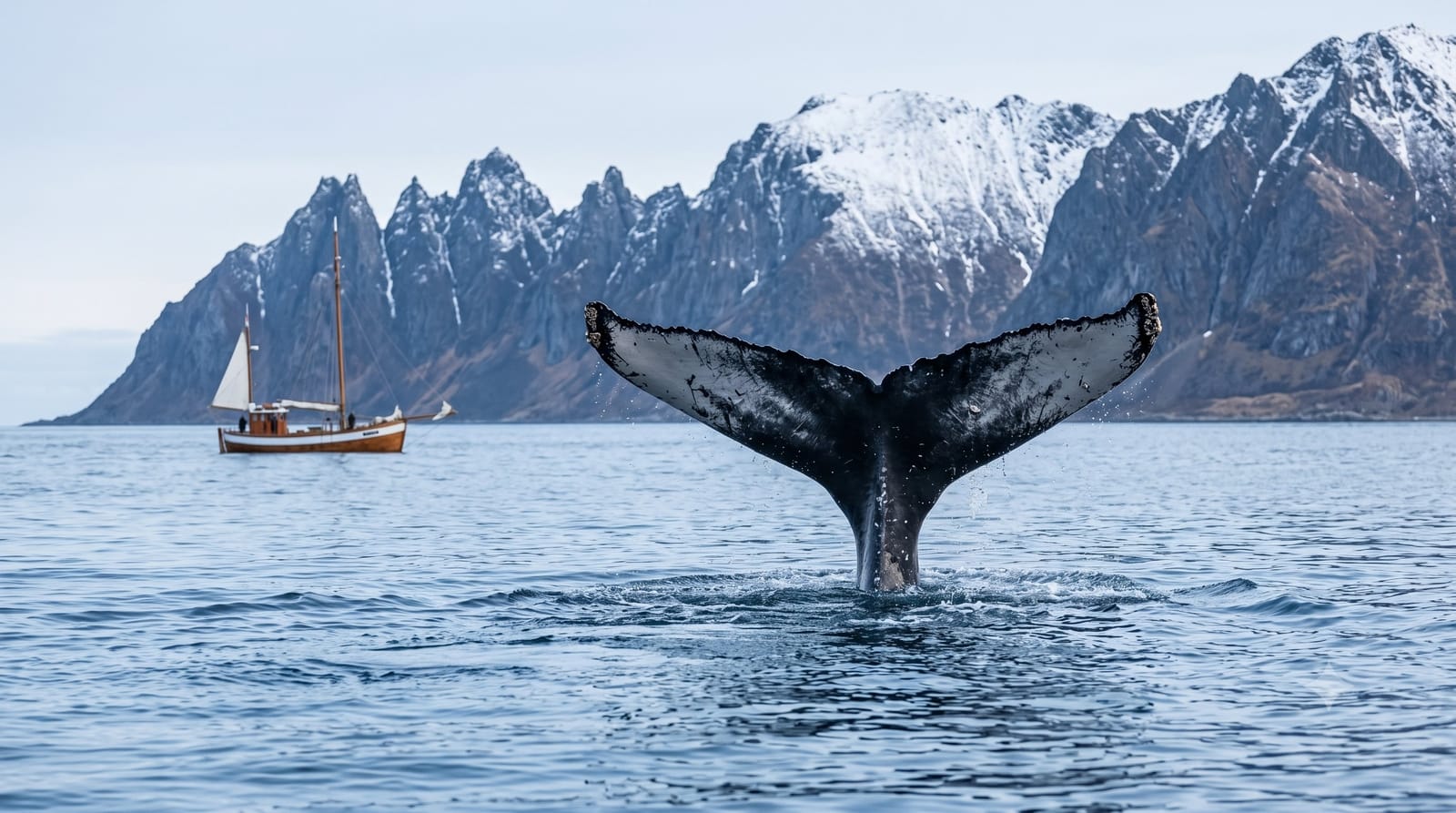
Illustrative image.
Some links on this page are Amazon affiliate links - if you buy through them we may earn a small commission at no extra cost to you. We only list the kind of gear we would pack ourselves.
Nothing in nature resets a person's sense of scale like the first whale: a back the size of a bus breaking the surface, a tail lifting in slow motion, the boat suddenly feeling very small and very lucky. Done right, whale watching is one of travel's great experiences - and "done right" is the whole subject.
Husavik: the gold standard
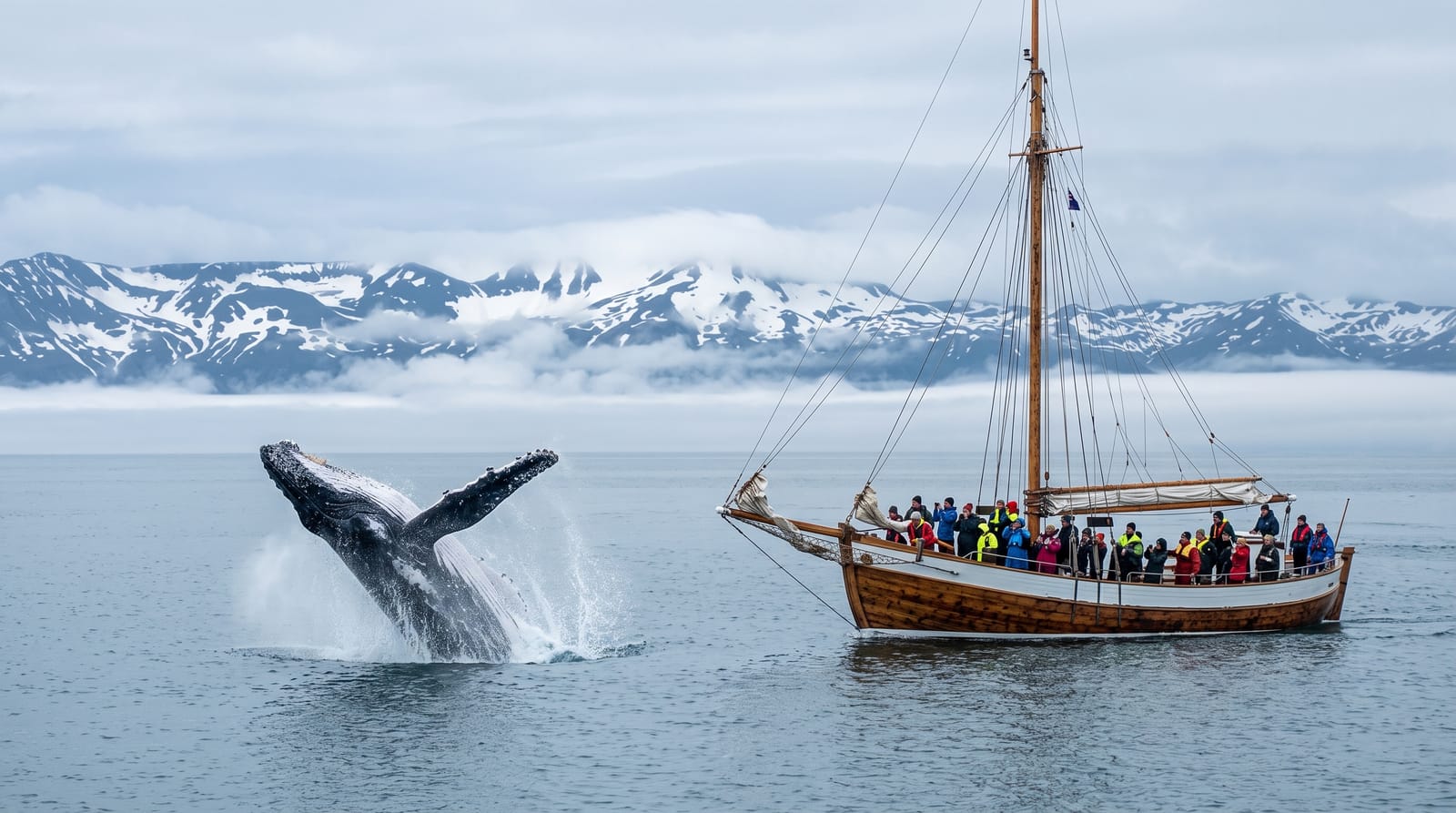
A small harbour town on a north Iceland bay that fills each summer with feeding giants, Husavik built its identity around doing this properly: quiet oak boats and carbon-neutral sailing ships, humpbacks as the reliable stars, blue whales as the occasional jackpot. Sightings run famously high in season, the whale museum adds the science, and the town proves watching can outearn whaling permanently.
Dominica: the sperm whale families
The Caribbean island of Dominica hosts something rarer: resident sperm whale families in its deep leeward waters year-round - one of the few places on Earth where the world's largest toothed predator keeps a permanent address. Encounters are strictly regulated, permits limited, and the island pairs them with volcanic reefs where warm bubbles rise through the shallows like champagne.
The northern bonus
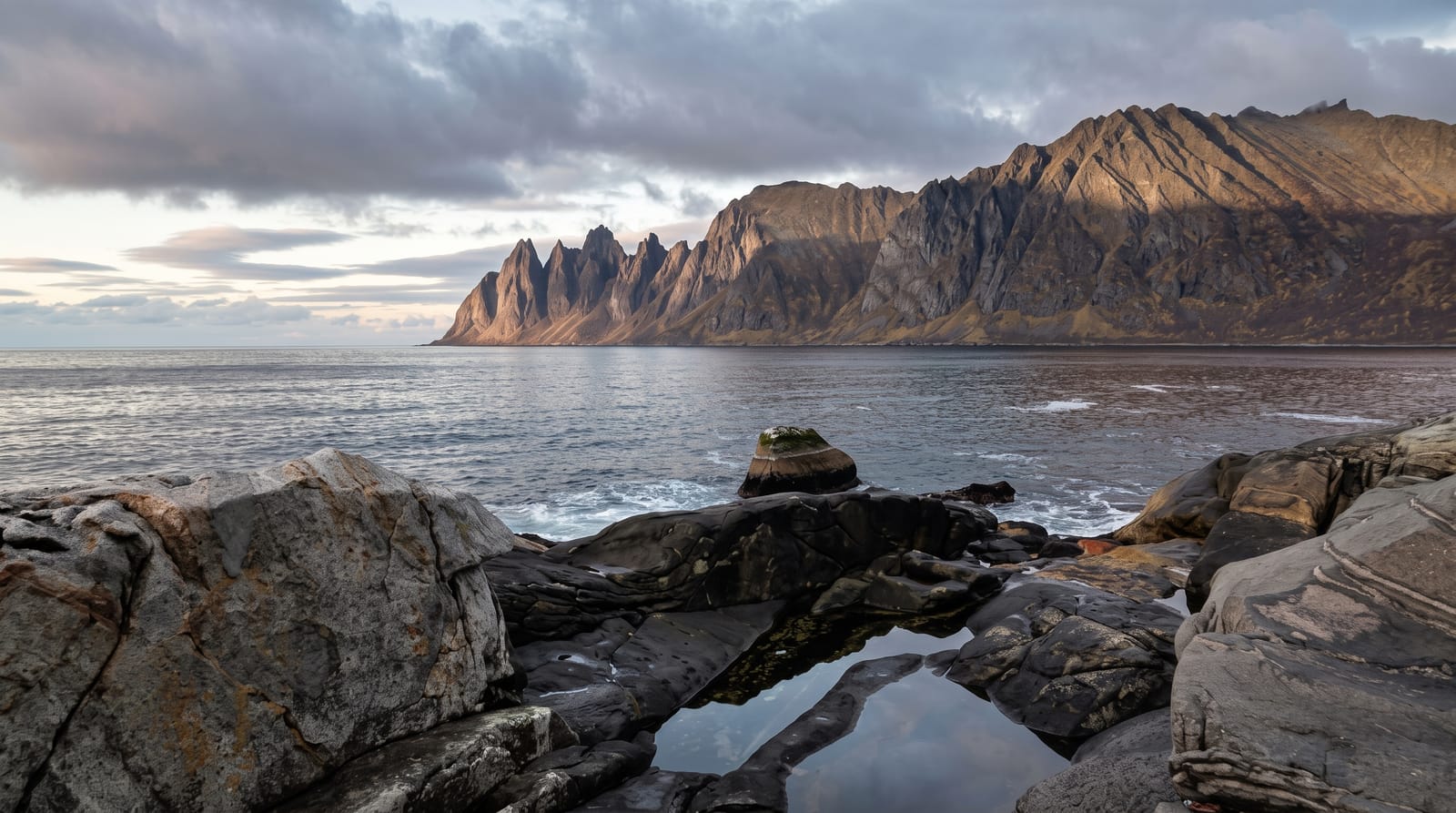
In Norway's far north, winter herring runs pull orcas and humpbacks into the fjords - Senja and the surrounding waters host some of the planet's most dramatic cold-water encounters, black fins against snow-covered mountains. It is expedition-grade watching: short days, hard cold, unforgettable returns.
Choosing an operator honestly
The differences matter more here than almost anywhere in travel. Good signs: stated approach-distance rules, engines cut near animals, marine biologists aboard, no swimming-with promises where regulations forbid it, and honest "no guarantee" language - wild animals owe us nothing. Bad signs: chasing behaviour, crowding with other boats, and any operator who treats sightings as a product rather than a privilege.
Seasickness is the unglamorous variable: take the remedy before sailing, not after, and choose larger vessels if unsure. Binoculars from the wildlife kit fill the minutes between encounters, and Icelandic and Norwegian sailings demand the cold-weather kit even in July - the suits operators lend exist for a reason.
The wider map
Whales pass almost every coast we cover: browse our nature category country by country, and check when to go - many of the great gatherings, from breeding lagoons to feeding runs, are strictly seasonal appointments.