Did Santorini Inspire Atlantis?
A great island civilisation destroyed by the sea in a single day. Plato's Atlantis is a legend, but something very like it really happened in the Aegean.
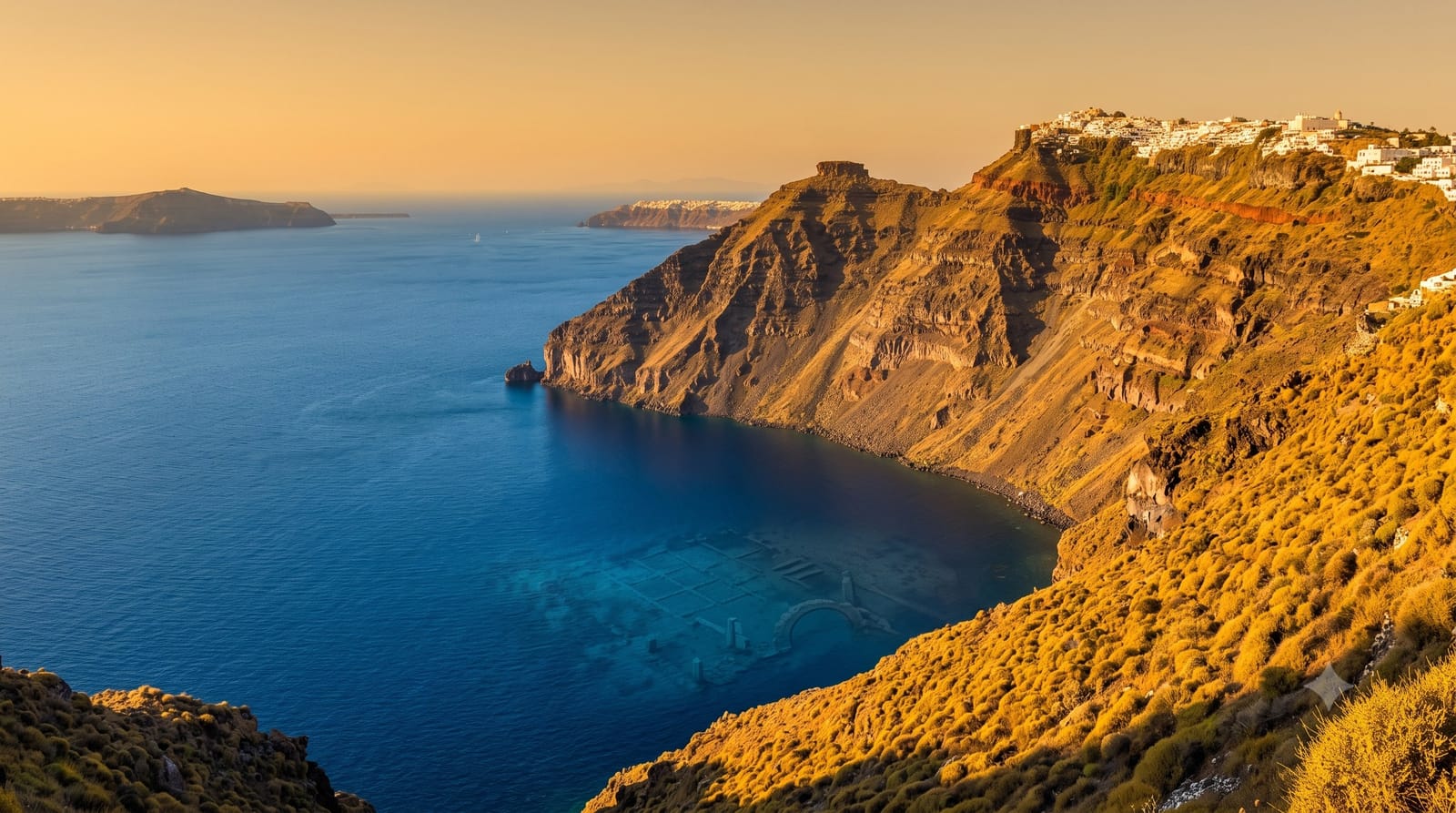
Illustrative image.
Some links on this page are Amazon affiliate links - if you buy through them we may earn a small commission at no extra cost to you. We only list the kind of gear we would pack ourselves.
Atlantis is the most famous place that never existed. But sail into the flooded crater of Santorini, between cliffs striped with volcanic ash, and you are looking at the best real-world candidate the legend has ever had.
What Plato actually wrote
The whole of Atlantis rests on two dialogues written by Plato around 360 BC. He describes a mighty island power beyond the known world, rich, advanced and arrogant, which angered the gods and sank into the sea "in a single day and night of misfortune". Plato presents it as a moral tale about hubris, and most scholars think he invented it for exactly that purpose. He also gives details that refuse to sit still: the wrong ocean, an impossible date nine thousand years before his time, dimensions too vast for any island. If Atlantis was a real memory, it arrived thoroughly bent out of shape.
The island that really exploded
Here is what is not legend. Around 1600 BC, the island now called Santorini was a round volcano with a thriving Bronze Age port, part of the brilliant Minoan world centred on Crete. Then the volcano erupted in one of the largest explosions in human history. The centre of the island collapsed into the sea, leaving today's ring of cliffs around a drowned caldera. Ash fell across the eastern Mediterranean, and tsunamis battered the coast of Crete, whose palace civilisation went into decline in the generations that followed.
At Akrotiri, on Santorini's southern tip, archaeologists have uncovered a whole town buried in that ash: multi-storey houses, plumbing, and frescoes of saffron gatherers and blue monkeys, preserved like a Greek Pompeii a thousand years older than Plato. No bodies were found; the people saw the warning signs and left.
Legend meets lava
Was this Plato's Atlantis? An advanced island people, destroyed by the sea in a day, remembered dimly a thousand years later: the shape fits better than any other candidate. Plenty of historians remain unconvinced, and Plato would probably be delighted that we are still arguing. The honest answer is that Atlantis is a story, and Santorini is the real catastrophe that shows such a story was worth telling.
Standing in the story
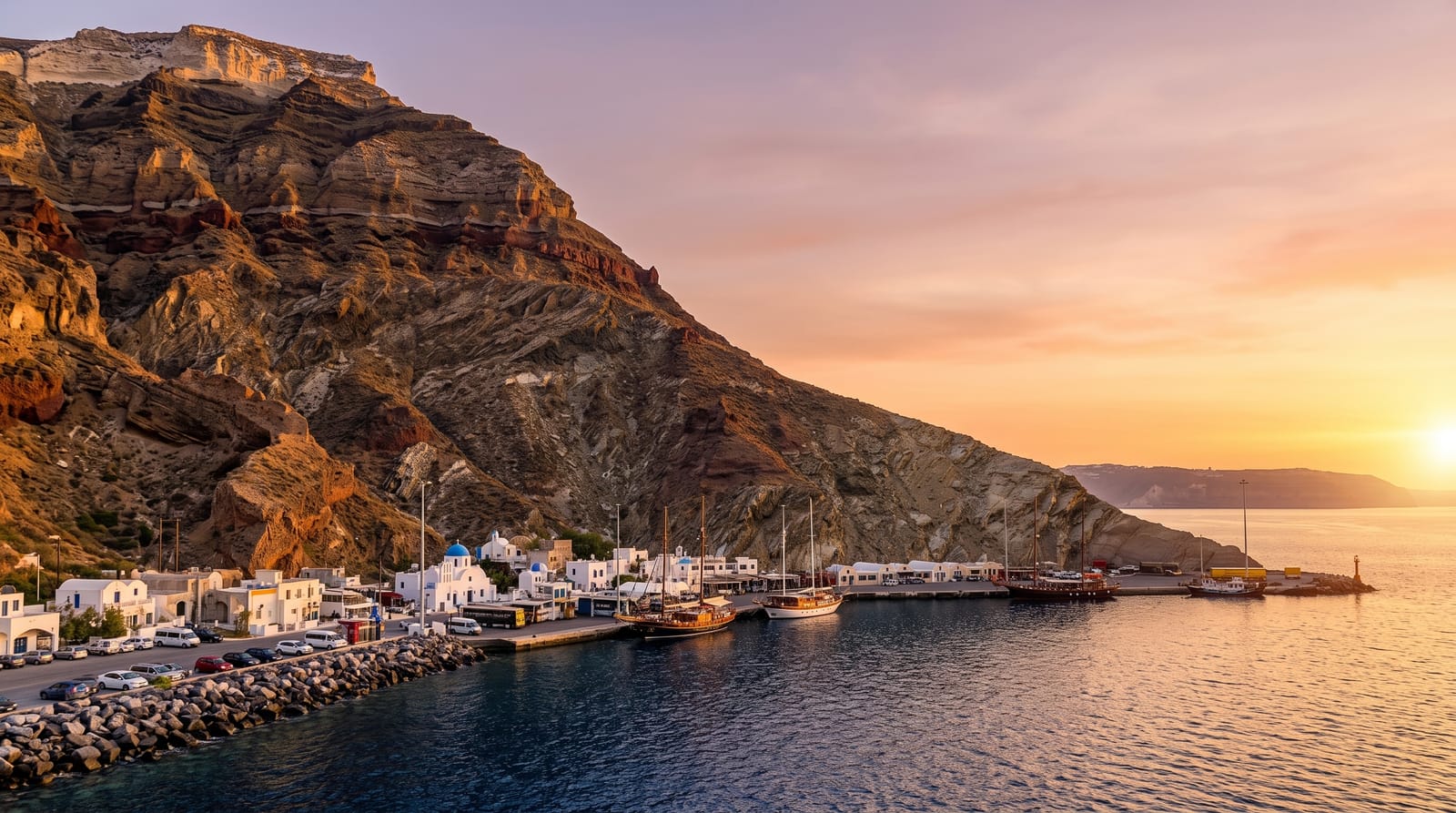
- Santorini - the caldera cliffs, the buried town of Akrotiri and sunsets over the drowned volcano.
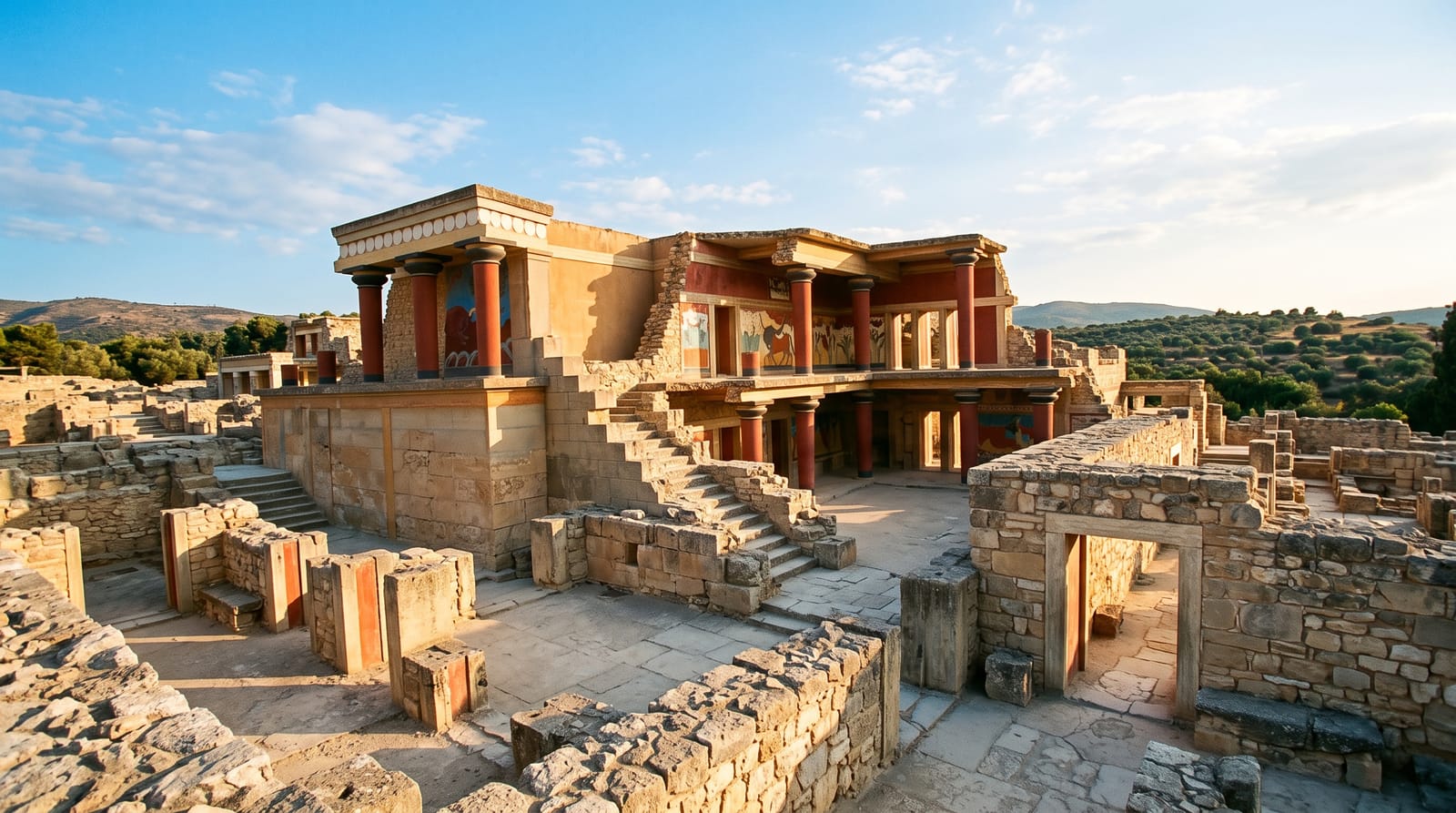
- Knossos - the great Minoan palace on Crete, heart of the civilisation the eruption wounded.
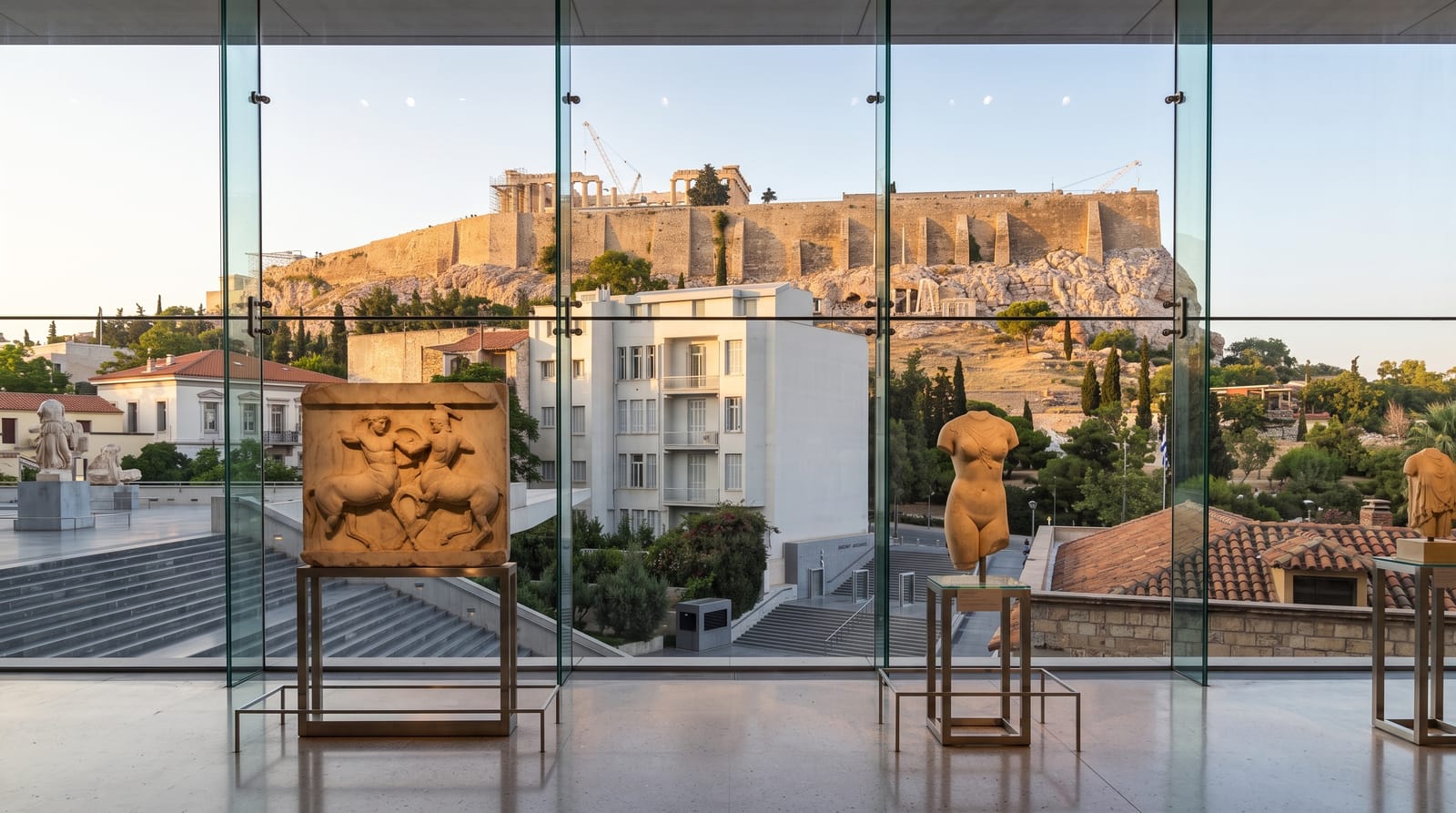
- The Acropolis Museum - Athens at its best, a short walk from where Plato told the tale.
Aegean practicalities
Santorini is steep paths, black-sand beaches and strong light: the beach and swimming kit plus decent water shoes for the volcanic shores cover the island half, and the city kit covers museum days. Book Akrotiri for the morning, before the heat and the crowds arrive together.
Atlantis sank in a day. Santorini is still here, which makes it the better trip.