Choosing a Travel Backpack
Litres, straps, openings and the airline sizer - the honest buyer's guide to the one bag that will carry every trip you take.
Some links on this page are Amazon affiliate links - if you buy through them we may earn a small commission at no extra cost to you. We only list the kind of gear we would pack ourselves.
A good travel backpack outlives phones, shoes and most friendships. A bad one ruins every trip it joins. The difference comes down to four decisions, none of which is the brand.
Litres: the only number that matters first
- 20-30 L - day bag territory: city days, flights as a personal item, summit days on a trek.
- 35-45 L - the one-bag sweet spot: a week or a month lives here, and 40 L generally passes carry-on rules; our one-bag method is built around this size.
- 50-70 L - checked-bag land: camping gear, cold climates, long expeditions. Carry it 500 metres in the shop before believing you want it.
If in doubt, size down. Bags, like cupboards, fill themselves.
Opening: suitcase, not tube
Hiking packs load from the top, which means excavating everything to find socks. For travel, insist on a front or clamshell opening that unzips like a suitcase. It is the single feature that separates travel backpacks from mountain gear, and once you have it you never go back.
The strap test
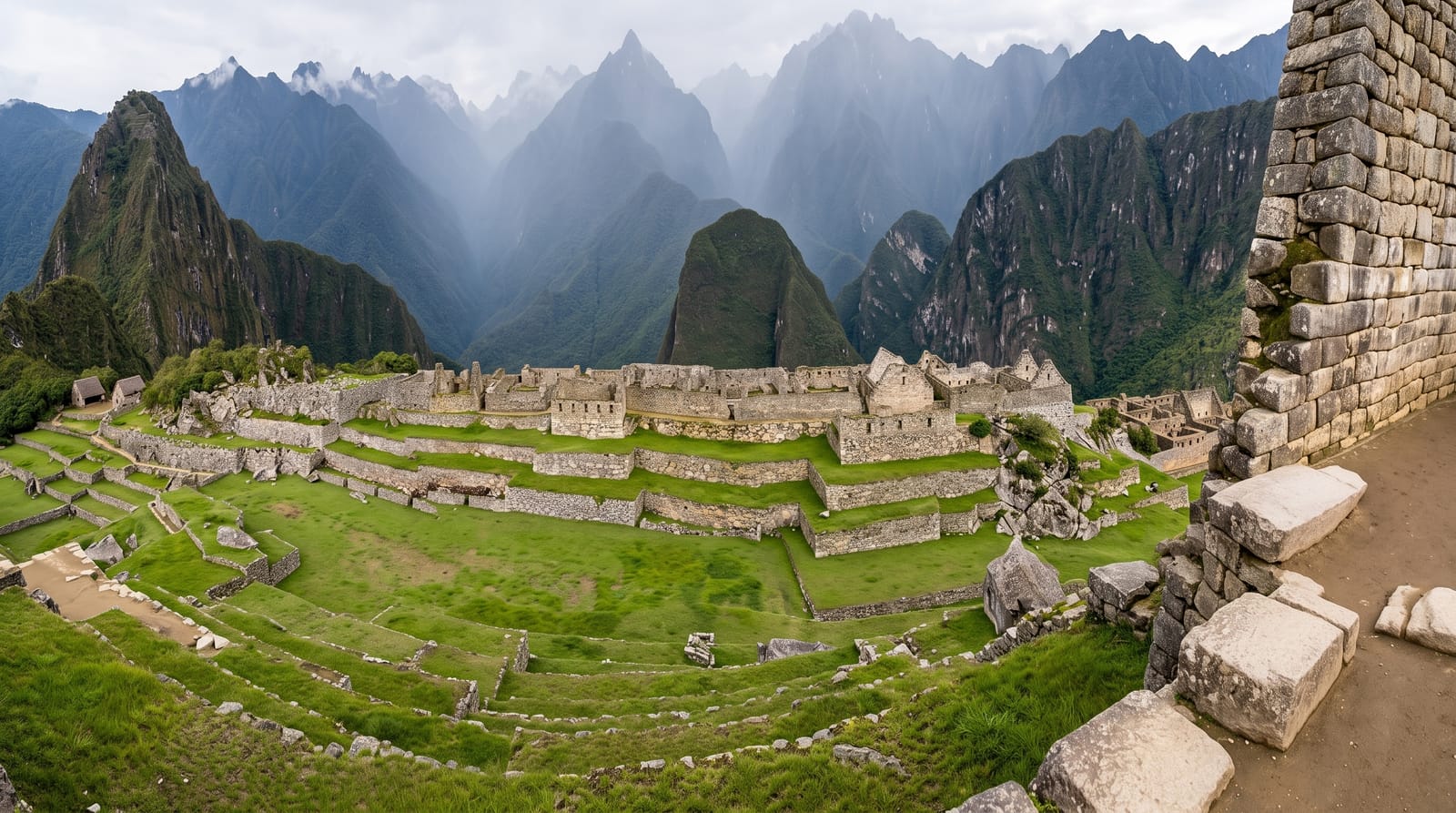
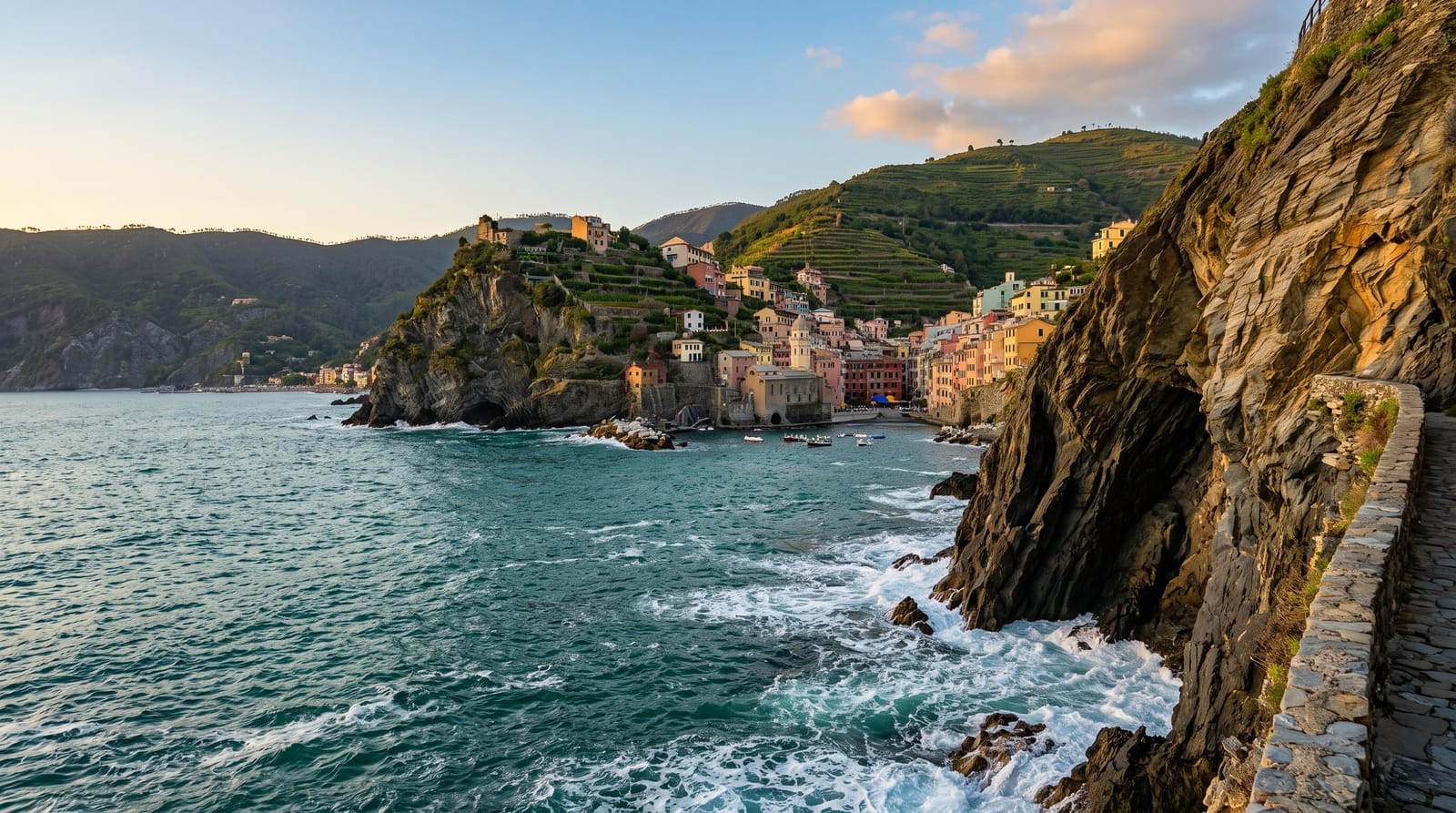
Weight should ride on your hips, not your shoulders: look for a real padded hip belt on anything over 35 L, load-lifter straps at the shoulders, and a back panel that lets air through. Try the loaded bag on stairs, not just the shop floor. For mixed trips - cobbles in Cinque Terre, boat decks in Ha Long Bay, the train to Machu Picchu - stowable straps that hide behind a zip panel save the bag from escalators and conveyor belts alike.
Details that earn their keep
- Lockable zip pulls, and a small cable lock for hostels and trains.
- A separate shoe or dirty-clothes compartment at the bottom.
- A laptop sleeve against the back panel, not the front flap.
- Water-resistant fabric plus an included rain cover; waterproof zips are marketing more often than fact.
What to ignore
Wheels on a backpack add a kilo of frame you carry uphill forever. Fifteen exterior pockets are fourteen places to lose things. And colour is not a detail: a quietly coloured bag draws less attention on a night bus than expedition orange.
Buy once, buy 40 litres, buy the clamshell. Then go fill it properly with the essentials kit.