Talo
A hillside village above Punakha with terraced fields, a monastery on the ridge and a well-regarded local festival.
Updated 31 August 2026
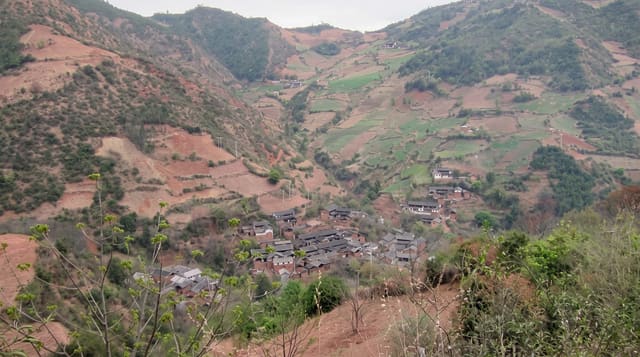
Talo sits at around 2,800 metres on a shoulder above the Punakha valley, higher and cooler than the valley floor, with houses spread among terraced fields and a monastery on the ridge above the village. The monastery is the residence of successive Shabdrung reincarnations and holds a small community; the Talo Tshechu, held in spring, is regarded as one of the more attractive of the smaller festivals, with dances performed by local people and less of the crowd that fills Paro and Thimphu. The village is known for the appearance of its houses and gardens and for the quality of its drinking water. Walking paths link Talo to Nobgang and other hamlets along the ridge, and the views run down to the confluence far below.
The main sights
- Terraced hillside - fields stepped down from the village.
- The ridge monastery - the Shabdrung residence above Talo.
- The Talo Tshechu - a smaller, less crowded spring festival.
- Ridge paths - walks linking the hamlets along the shoulder.
When to go
March to May and September to November. The tshechu falls in spring, usually March or April, on dates set by the lunar calendar. The village is cooler than Punakha, which makes it pleasant in summer heat.
Good to know
There is little organised for visitors: no museum, no visitor centre, and the monastery is a residence with limited access. The road up is narrow and winding. Festival dates move with the lunar calendar and need confirming. It is a place to walk and look rather than to tick off sights.
Nearby
Punakha lies southeast; Nobgang is along the same ridge.
What to pack for Talo
Chosen from what this place is for. Tap a kit for the full checklist.
- Comfortable walking shoes - Sightseeing means kilometres of pavement and cobbles daily. Find on Amazon
- Modest clothing - Shoulders and knees covered - the single most common requirement. Find on Amazon
- A slim anti-theft daypack - Zips that close properly; keep it in front in crowds and on transit. Find on Amazon
- A scarf or shawl - To cover the head or shoulders on entry; women especially at mosques. Find on Amazon
Some links on this page are Amazon affiliate links - if you buy through them we may earn a small commission at no extra cost to you.
All packing kitsPlan your trip
Where to start if Talo is going on the list.
Booking links on this page are affiliate links - if you book through them we may earn a small commission at no extra cost to you. It never changes what we write about a place.
Opening times, ticket prices and seasonal closures change - check the official source before you go: official site.