Belizean Cacao
Cacao grown by Maya smallholders in Toledo, processed by cooperatives and made into bars, on land where it has been cultivated for millennia.
Updated 2 September 2026
AI illustration
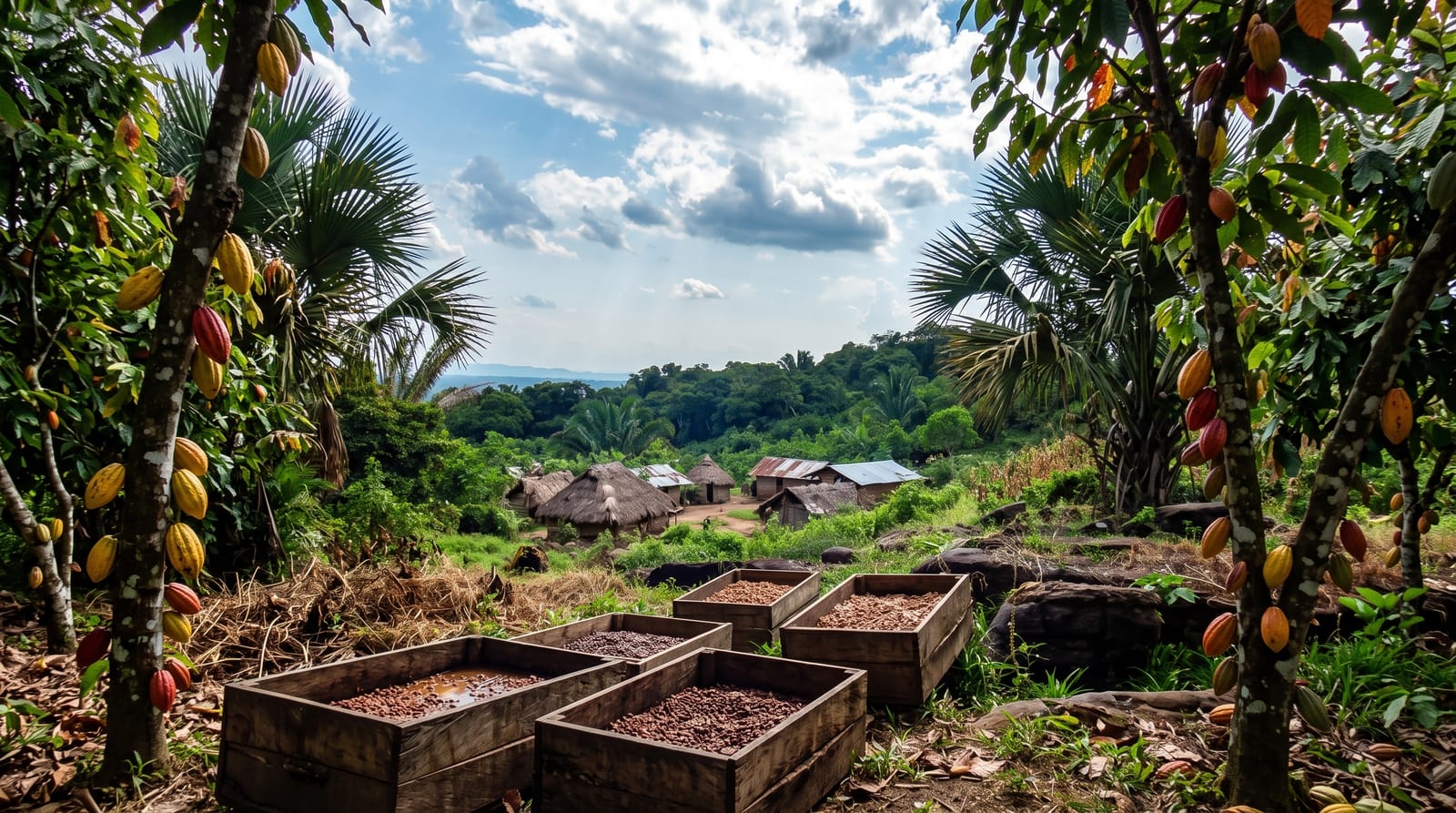
Cacao is native to this part of the world and the Maya were cultivating and drinking it here long before Europeans arrived; in Toledo the crop never entirely went away. Since the 1990s a cooperative of Q'eqchi' and Mopan smallholders has organised the trade, selling organic beans to chocolate makers in Britain and elsewhere and, more recently, making bars locally. Farm visits run out of Punta Gorda and the villages, taking visitors through the groves and the fermentation and drying, usually ending with drinking chocolate ground on a stone with chilli and no sugar. The Chocolate Festival each May fills the town.
Highlights
- The smallholder groves - cacao under shade in the Maya villages.
- Fermentation and drying - the stages that determine the flavour.
- Stone grinding - beans ground by hand and drunk unsweetened.
- The Chocolate Festival - Punta Gorda each May.
When to go
February to May is the driest and covers the main harvest and the festival. Farm tours run year-round but the processing stages are seasonal. Roads to the villages are best in the dry months.
Before you go
Tour quality varies and some are more polished than genuine; ask whether the cacao is grown on the property. The cooperative's relationship with the international buyers has had difficult periods and prices paid to farmers remain a live issue. Roads to the villages are rough. Bars made locally are excellent but not always available.
Nearby
Punta Gorda is the base; the Maya villages are inland.
What to pack for Belizean Cacao
Chosen from what this place is for. Tap a kit for the full checklist.
- A reusable bag or container - For market produce and cutting down on packaging. Find on Amazon
- Wet wipes + hand sanitiser - Street food and washbasins do not always go together. Find on Amazon
Some links on this page are Amazon affiliate links - if you buy through them we may earn a small commission at no extra cost to you.
All packing kitsPlan your trip
Where to start if Belizean Cacao is going on the list.
Booking links on this page are affiliate links - if you book through them we may earn a small commission at no extra cost to you. It never changes what we write about a place.
Opening times, ticket prices and seasonal closures change - check the official source before you go: official site.